






The United States is currently navigating the most lethal drug epidemic in its history. Synthetic opioids, led by the potent and unpredictable fentanyl, have become a dominant force in American mortality statistics. Every year, the death toll from fentanyl and its analogues surpasses the combined fatalities resulting from car accidents and gun violence. This crisis is defined by a brutal biological reality: fentanyl is so potent that it effectively silences the brain’s respiratory drive, rendering the act of breathing an impossibility for the user. While life-saving interventions like naloxone (Narcan) have been instrumental in reversing overdoses, they are reactive measures, effective only if administered in the narrow, frantic window before brain damage or death occurs.
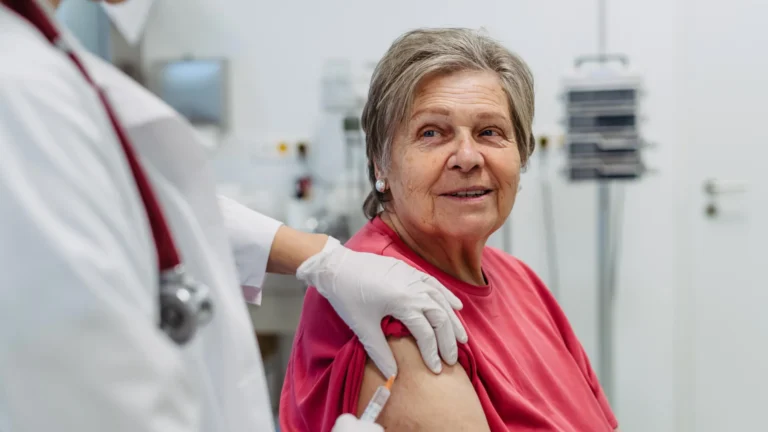
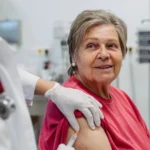
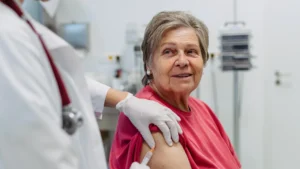
Now, a team of researchers at Scripps Research has proposed a fundamental shift in how we confront this scourge. Instead of chasing the overdose with emergency medication, they have developed an experimental vaccine that acts as a chemical shield, intercepting the drug before it can ever breach the blood-brain barrier. The findings, recently published in the Journal of Medicinal Chemistry, offer a glimpse into a future where the immune system itself acts as a frontline defense against the illicit drug trade.
A Chronology of Innovation: From Reactive to Proactive
The history of addiction medicine has largely been defined by reactive pharmacology—treating the symptoms of substance use disorder or the acute physiological crisis of an overdose. For years, scientists have experimented with vaccines aimed at mitigating the impact of various substances, including heroin and nicotine. However, the unique nature of the fentanyl crisis—specifically the rapid evolution of "designer" synthetic variants—created a technological bottleneck.
For decades, the standard scientific approach to vaccine development involved using a specific molecule to teach the immune system to recognize a singular threat. To train the body to fight fentanyl, one would traditionally use a molecule that mimics the drug’s structure. However, this presented two insurmountable hurdles: the extreme regulatory oversight required to handle such controlled substances, and the "specificity trap." If a vaccine is engineered to recognize only one specific version of fentanyl, it becomes obsolete the moment a black-market chemist modifies a single atom in the drug’s structure to evade detection.
The team at Scripps, led by Dr. Kim Janda, the Ely R. Callaway, Jr. Professor of Chemistry, spent years refining this approach. Their earlier work established the proof-of-concept that the immune system could be "programmed" to bind to opioids in the bloodstream. Yet, they realized that to win a war against a constantly mutating supply chain, they needed a radical departure from conventional wisdom. They stopped trying to mimic the drug and started trying to mimic the entire class of the drug.
Breaking the Mold: The Science of "Broad-Spectrum" Protection
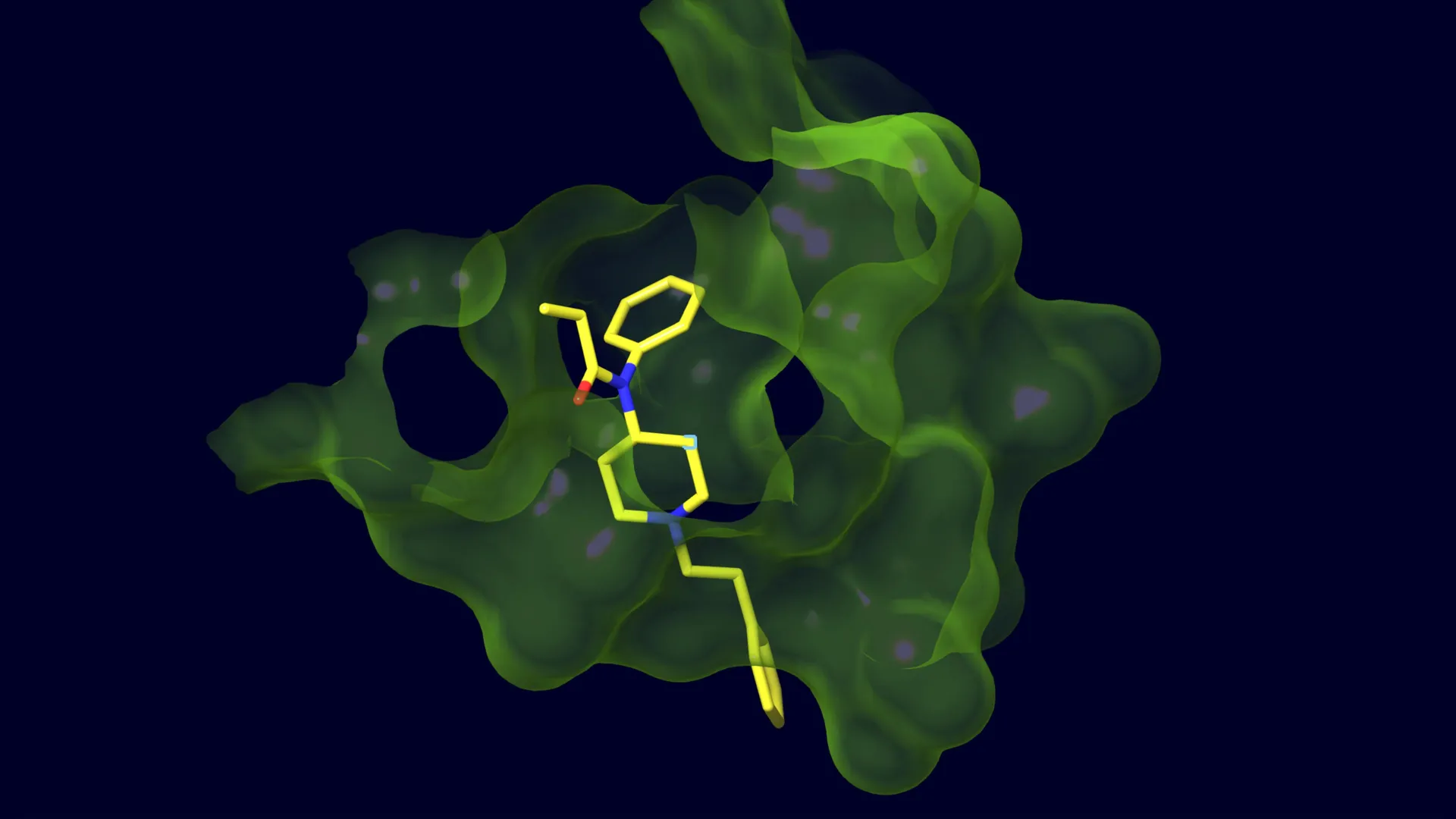
The breakthrough occurred when the team decided to experiment with a molecule that shared some, but not all, structural characteristics with fentanyl. By utilizing a fundamentally different core structure, the researchers were testing a hypothesis that seemed to contradict traditional immunology: could the immune system be trained to recognize a "molecular signature" rather than a specific key-and-lock shape?
"When we started testing this molecule as a vaccine component, we honestly didn’t know if it would work," says Arran Stewart, a research associate in the Janda lab and the study’s first author. "The conventional wisdom says that to get the immune system to recognize fentanyl, you have to use something that looks like fentanyl. We were doing the opposite."
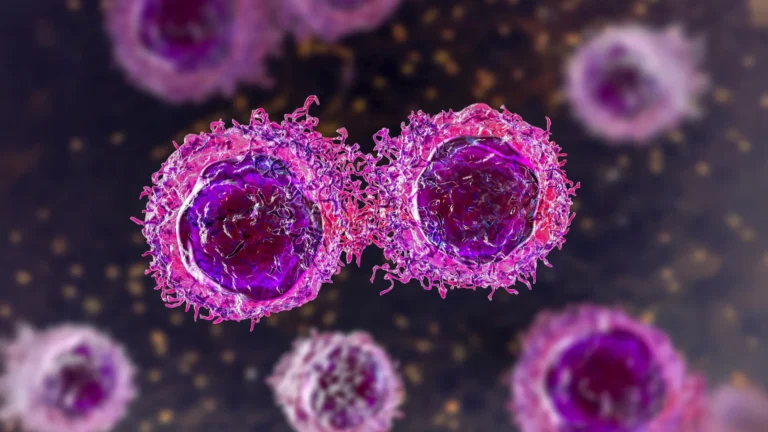
The researchers synthesized this modified molecule and attached it to a carrier protein, essentially creating a "wanted poster" for the immune system. They administered four doses to a cohort of mice over an eight-week period. The results were startling. The immune system, rather than fixating on a single structure, generated a broad array of antibodies that recognized a shared molecular signature across multiple, distinct fentanyl-related compounds.
Supporting Data: The Evidence of Efficacy
The implications of these findings were verified through rigorous testing against some of the most dangerous substances on the black market today. When the researchers tested the vaccine’s antibodies against high-potency variants—including carfentanil (a substance so potent it is often used as a tranquilizer for large animals), China White, acetylfentanyl, and furanylfentanyl—the vaccine held firm.
Crucially, the vaccine demonstrated a level of "molecular intelligence." While it neutralized fentanyl and its dangerous derivatives, it did not interfere with or bind to commonly used, life-saving medical opioids such as morphine, oxycodone, remifentanil, or alfentanil. This specificity is the "holy grail" of drug-abuse vaccines, as it ensures that patients who might need legitimate pain management in a hospital setting would not be denied the benefits of necessary medical care.
In animal trials, the data was even more compelling. Vaccinated mice, when exposed to doses of fentanyl that would typically induce severe respiratory depression and death, maintained near-normal breathing patterns. Further analysis revealed that the concentration of fentanyl within the brains of these mice was approximately 70% lower than in their non-vaccinated counterparts. The vaccine had effectively "sequestered" the drug in the blood, neutralizing it before it could interact with the opioid receptors in the brainstem that control breathing.
Official Responses and the Strategic Shift
The research has sent ripples through the scientific and public health communities. For years, the federal government and private health sectors have struggled to stay ahead of illicit drug traffickers who iterate on chemical structures faster than regulatory agencies can add them to the controlled substances list.
Dr. Kim Janda’s assessment of the landscape is blunt: "The way the fentanyl landscape is evolving, the black-market drug makers are constantly coming up with new versions to skirt regulations and avoid detection in standard screenings. We need countermeasures that are going to work against all these future variants at once, not just one at a time."
The significance of this research lies in the scalability of the strategy. If this "class-based" recognition system can be successfully translated into clinical human applications, it would represent a permanent change in the power dynamic between illicit supply and public health. It would allow clinicians to offer a prophylactic measure to vulnerable populations—such as those in recovery programs—providing a safety net that remains effective even if the street drug supply changes in chemical composition.
Implications for Public Health and the Future of Recovery
The path from the laboratory bench to the pharmacy shelf is long and fraught with regulatory hurdles. The Scripps team acknowledges that the vaccine must still undergo rigorous clinical trials to ensure its safety and efficacy in humans. Issues regarding the duration of the immune response, potential side effects, and the ethics of its administration remain to be addressed.
However, the potential for public health is profound. The vaccine does not create a "high" nor does it directly treat the neurological cravings associated with substance use disorder. Instead, it serves as a biological barrier, providing a margin of error that is currently nonexistent for millions of individuals. By preventing the fatal respiratory depression that characterizes a fentanyl overdose, this intervention could buy the time necessary for individuals to remain in treatment and engage with long-term recovery efforts.
Moreover, the lesson provided by the Janda lab extends beyond the fight against fentanyl. The concept of "class-based" immune recognition could potentially be applied to other public health threats, including the rise of other synthetic substances that currently elude traditional treatment models.
"The public health potential here is significant," Janda concludes. "But so is the lesson that we can design vaccines that recognize an entire drug class, not just a singular drug."
As the nation looks for solutions to an epidemic that has claimed hundreds of thousands of lives, the work at Scripps Research offers more than just a chemical solution; it offers a paradigm shift. By moving the site of intervention from the moment of tragedy to the moment of exposure, science may finally be finding a way to get ahead of the curve, offering a new, robust layer of defense in an increasingly precarious world.