










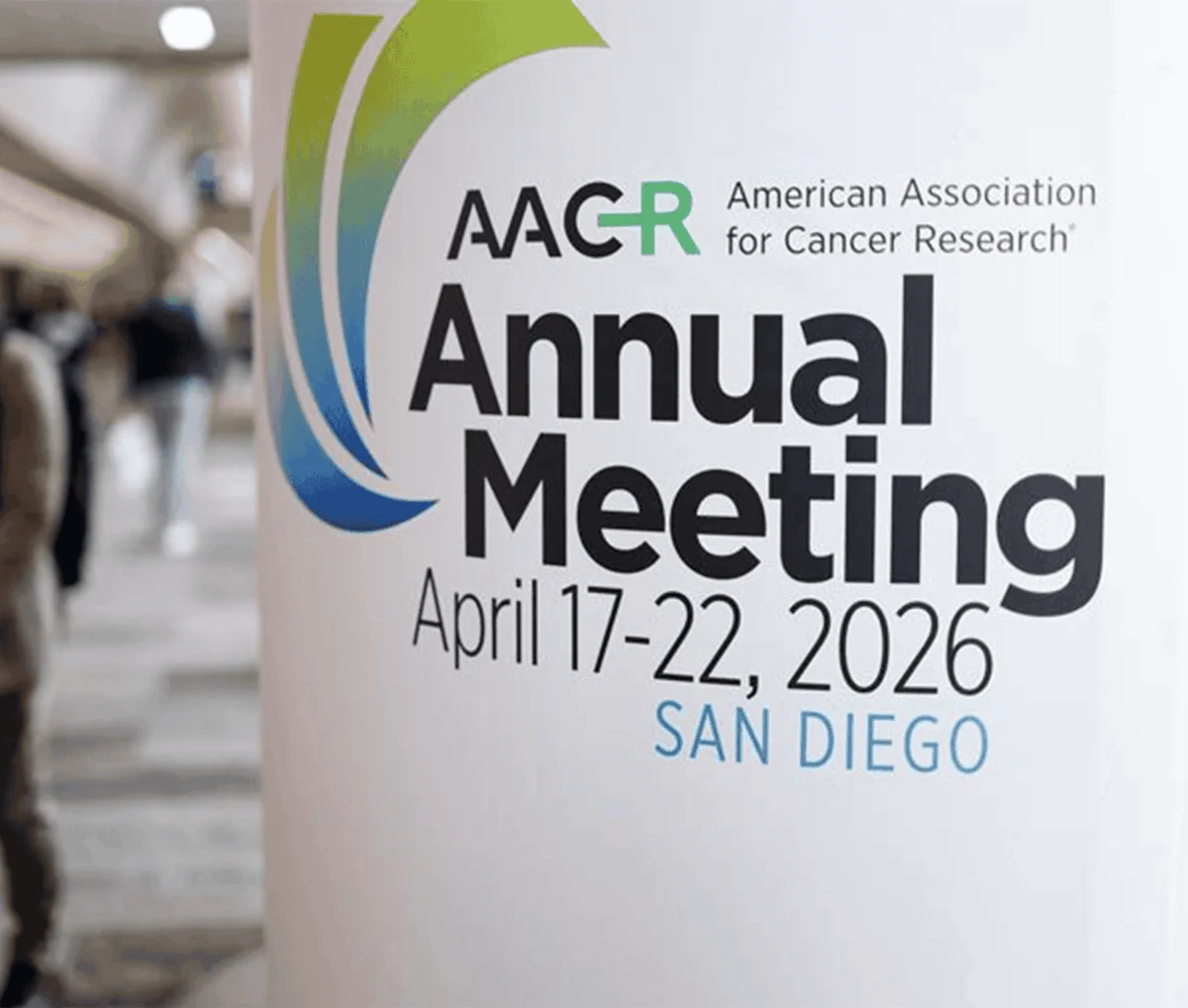
The American Association for Cancer Research (AACR) Annual Meeting, held in San Diego from April 17–22, 2026, served as a global stage for a fundamental shift in oncology. Moving beyond the era of "silver bullet" treatments, the research community is coalescing around a more holistic, systems-based approach. The 2026 gathering made it clear: the future of cancer care no longer resides in a single laboratory discipline but in the seamless integration of biological complexity, cutting-edge technology, and robust policy infrastructure.
Main Facts: A Paradigm Shift in Cancer Research
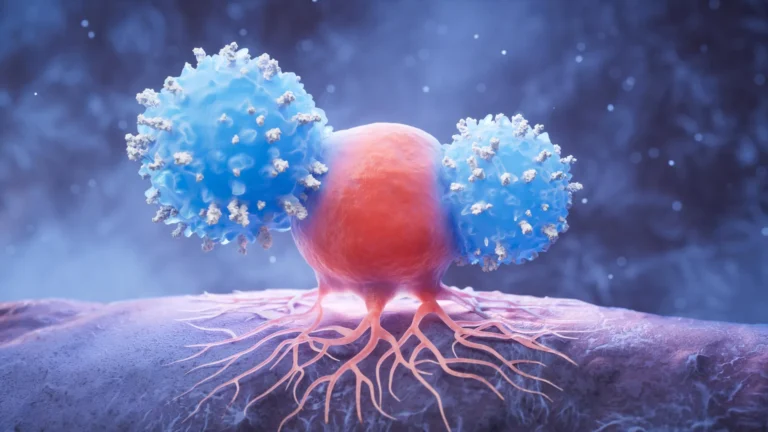
The central thesis of the 2026 AACR meeting was that cancer is not merely a cellular malfunction but an ecosystem-level failure. Researchers are increasingly viewing tumors as dynamic, adaptive entities that communicate with their microenvironment—including the immune system, metabolic pathways, and even the nervous system.
Key takeaways from the week-long assembly included:
- Systems Biology: A move away from focusing exclusively on tumor cells to analyzing the "tumor microenvironment" (TME), including how nerves and metabolic states drive resistance to treatment.
- Precision Immunotherapy: Transitioning from generalized immune activation to highly specific, pathway-targeted interventions.
- Technological Convergence: The integration of artificial intelligence (AI) and spatial biology to decode tumor heterogeneity.
- Policy and Access: A sobering look at the "innovation gap," where scientific brilliance is often bottlenecked by sluggish clinical trial infrastructure and funding instability.
Chronology of the 2026 AACR Annual Meeting
The meeting was structured to mirror the journey from bench to bedside, unfolding over six days of intense discourse:
- Days 1–2: Fundamental Discoveries. The opening sessions focused on "Cancer as a System." Speakers presented ground-breaking data on neuro-oncology, specifically how nerve signals actively suppress anti-tumor immune responses, effectively acting as "brakes" that cancer cells hijack to survive.
- Days 3–4: Therapeutic Breakthroughs. This period was dominated by clinical trial updates. A highlight was the AACR-ASCO joint session on solid tumors, where new data on CAR T-cell therapies suggested that the persistence and safety issues previously plaguing these treatments are beginning to be mitigated through next-generation engineering.
- Days 5–6: Implementation and Policy. The final sessions pivoted to the "human element." Industry leaders, policymakers, and researchers debated the sustainability of the current research ecosystem, emphasizing that the speed of innovation must be matched by the speed of regulatory and clinical access.
Supporting Data: The Evidence of Evolution
The shift in the landscape is not merely theoretical; it is evidenced by a massive uptick in global research diversity. CRI Research Scientist Fahad Benthani, PhD, presented an exhaustive analysis of over 24,000 global immunotherapy trials. The data revealed a significant trend: we are moving away from monolithic trials toward complex, biomarker-driven combination strategies.
The Precision Prevention Milestone
One of the most compelling data points came from The University of Texas MD Anderson Cancer Center. Their trial regarding oral precancer showed that direct injections of nivolumab (Opdivo®) resulted in a 60% reduction in lesion size, with an 80% cancer-free survival rate after one year. This proof-of-concept study signals a massive potential shift: moving immunotherapy from a "last resort" for metastatic disease to a "first line" of defense for prevention.
The "Undruggable" Breakthrough
Data from Revolution Medicines provided further optimism, demonstrating that therapies targeting KRAS mutations—a genetic driver long considered impervious to drug intervention—are yielding tangible clinical benefits in pancreatic and lung cancers. These findings represent a triumph of structural biology and medicinal chemistry.
Official Responses: The Researcher Town Hall
A central focus of the AACR Researcher Town Hall was the precarious state of federal research funding. Leaders expressed concern that while the science is advancing at an unprecedented pace, the "infrastructure of discovery"—the machinery required to move a drug from a petri dish to a patient—is struggling under the weight of bureaucratic and financial pressure.
CRI’s Director of Strategic Programs, Dr. Cynthia Neben, provided a sobering reality check through her poster presentation. By mapping the lifecycle of clinical trials, Dr. Neben highlighted that for many patients, the barrier to entry remains an insurmountable wall of geography, cost, and complex enrollment criteria. The consensus among officials was that "innovation without access is failure," urging a radical redesign of the clinical trial participant experience.
Implications for the Future
The 2026 AACR meeting left the scientific community with a mandate: the era of silos is over. The implications for the next decade of oncology are profound.
1. The Era of Spatial Resolution
As technology companies like 10x Genomics continue to refine spatial biology, we will move toward a "map-based" understanding of cancer. Instead of just knowing what mutations a tumor has, we will know exactly where immune cells are positioned relative to cancer cells, allowing for more precise interventions that "unlock" the tumor for the immune system.
2. The AI-Driven Pipeline
Artificial intelligence is no longer a peripheral tool; it is becoming the backbone of drug discovery. By analyzing patterns in 24,000+ trials, AI is helping researchers identify which combinations of drugs are most likely to work for specific subsets of patients, effectively de-risking early-stage clinical research.
3. Redefining "Success"
The move toward prevention, as seen in the MD Anderson trials, represents the most significant shift in the history of oncology. If we can successfully use immunotherapy to arrest precancerous lesions, we shift the entire burden of the disease. This is not just a clinical victory; it is an economic and societal necessity, preserving patient quality of life and reducing the long-term cost of metastatic cancer care.
Conclusion: Making It Work in Practice
The overarching message from San Diego is one of cautious, calculated optimism. We have the biology. We have the technology. We have the global network of dedicated researchers. The challenge for the remainder of 2026 and beyond is one of synthesis.
The path forward requires a transition from "discovery" to "integration." For patients, this means that the breakthroughs discussed at AACR must be translated into clinical realities that are accessible regardless of geography or socioeconomic status. As the field looks toward 2027 and beyond, the success of the cancer research community will be measured not by the number of papers published or the sophistication of the lab equipment, but by the ability to turn these complex biological insights into durable, life-saving, and equitable patient care.
In the words of the presenters at the meeting, we have finally learned how to ask the right questions about cancer. Now, the work begins to ensure that the answers we have found are implemented in every clinic, for every patient, in every corner of the world.