



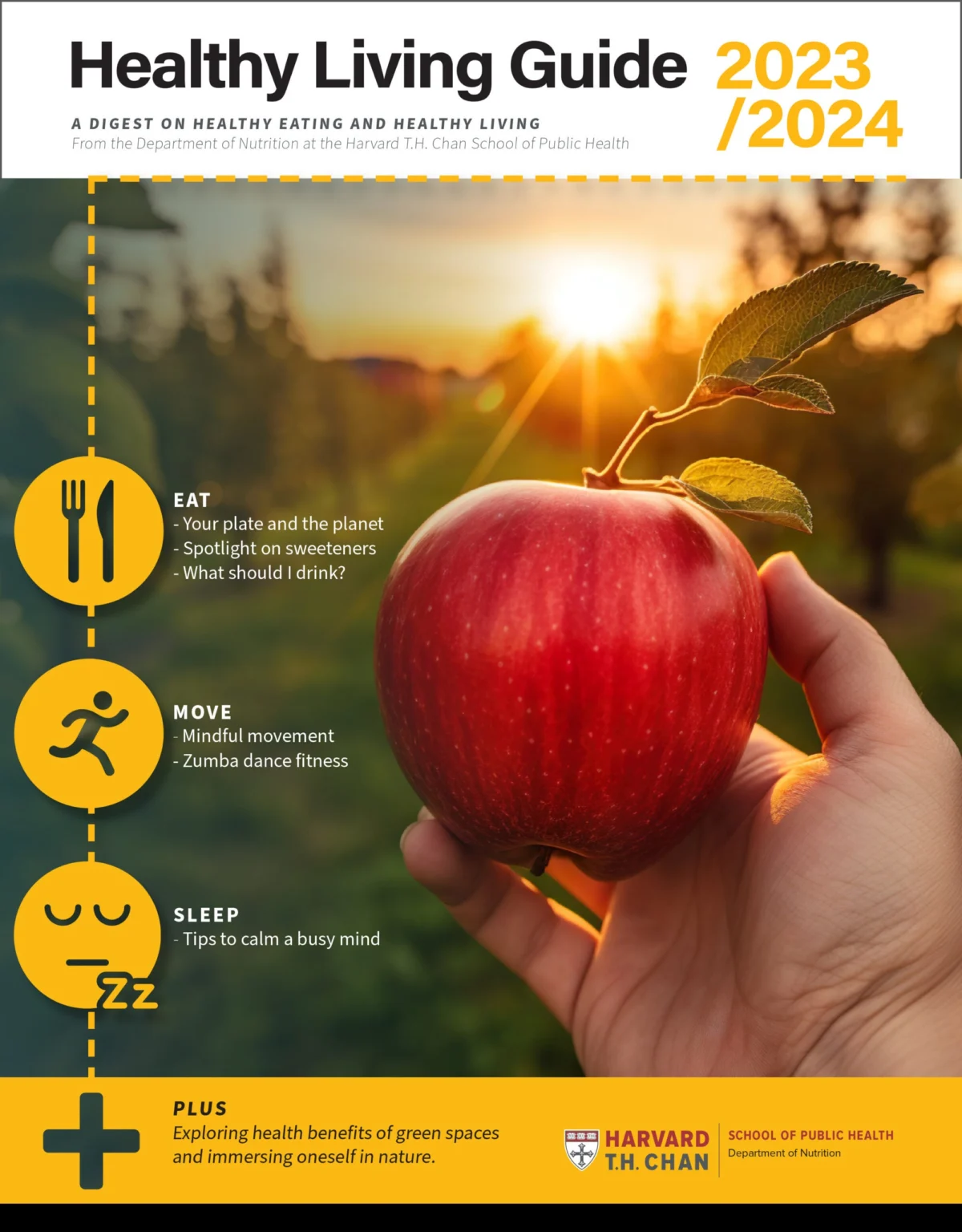
As the calendar turns, the pursuit of holistic well-being often takes center stage. For those seeking evidence-based guidance to navigate the complexities of modern nutrition and lifestyle, the Department of Nutrition at the Harvard T.H. Chan School of Public Health has released its fourth annual Healthy Living Guide. This latest edition arrives at a pivotal moment, blending foundational pillars of health—nutrition, sleep, and physical activity—with the burgeoning science of mindfulness.
The Intersection of Mindfulness and Public Health
The 2023-2024 Healthy Living Guide is more than a collection of tips; it is a reflection of a significant shift in public health discourse. The year 2023 marked the historic launch of the Thich Nhat Hanh Center for Mindfulness in Public Health at Harvard. Inspired by the teachings of the Vietnamese monk and peace activist Thich Nhat Hanh, the center seeks to bridge the gap between individual meditative practice and global health outcomes.
The guide opens with a poignant sentiment: "The apple in your hand is the body of the cosmos." This philosophical grounding serves to reframe nutrition not merely as the consumption of calories, but as an act of connection with the environment. By integrating mindfulness into the framework of public health, researchers are exploring how conscious decision-making—from the foods we select to the way we consume them—can have cascading effects on both personal longevity and planetary sustainability.
Chronology of the Guide: A Four-Year Evolution
To understand the significance of this year’s release, one must look at the evolution of the project over the past four years.
- 2020-2021 (The Inaugural Edition): Launched during the height of the global pandemic, the first edition focused on foundational resilience. It provided essential guidance on maintaining physical health during periods of social isolation and stress.
- 2021-2022 (Expansion of Scope): The second year expanded into digital health and home-based fitness, addressing the "new normal" of working and living in restricted spaces.
- 2022-2023 (Integration of Sustainability): The third edition began to draw explicit links between the human diet and environmental health, emphasizing plant-forward eating patterns.
- 2023-2024 (The Mindfulness Era): The current edition synthesizes the lessons of the previous three years while adding the critical dimension of mental and cognitive awareness, cementing mindfulness as a primary pillar of preventative medicine.
Supporting Data: Addressing Modern Health Challenges
The 2023-2024 edition addresses three critical domains where contemporary science is rapidly shifting: ultra-processed foods, the science of movement, and the complexity of sleep architecture.
The Ultra-Processed Food Crisis
One of the most pressing concerns in nutritional science is the ubiquity of ultra-processed foods (UPFs). The guide synthesizes recent longitudinal data suggesting that the consumption of these products is not only linked to obesity and metabolic syndrome but also to declining mental health outcomes. The research highlighted suggests that the structural and chemical alteration of food—often stripping away fiber and adding artificial flavorings—disrupts the gut-brain axis, contributing to inflammation that can manifest as depressive symptoms or cognitive fog.
Movement as Medicine
Physical activity is often relegated to a binary of "exercise vs. sedentary time." The latest Healthy Living Guide challenges this by promoting "joyful movement." By highlighting evidence on activities such as Zumba and rhythmic exercise, the guide emphasizes that the psychological benefit of exercise is just as critical as the physiological benefit. Engaging in movement that is intrinsically rewarding—what researchers call the "tunes and movement" effect—has been shown to increase adherence to long-term exercise routines compared to repetitive, monotonous workouts.
The Science of Chronotypes
Sleep remains the most under-researched component of public health in the general population. This year’s guide dives into "chronotypes"—the natural inclination of an individual to sleep at a certain time. Recognizing that not all bodies follow a "9-to-5" biological rhythm, the guide offers evidence-based strategies for "social jetlag," which occurs when an individual’s biological clock is forced to misalign with their work or school schedule. Understanding one’s chronotype is presented as a vital tool for optimizing immune function and cognitive performance.
Official Perspectives: The Experts Speak
The Department of Nutrition at Harvard has long been a beacon for evidence-based dietary guidelines. In discussions surrounding the launch of this guide, faculty members have emphasized that public health is not a "top-down" endeavor but a "lifestyle-integrated" one.
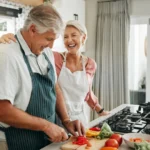
"We are moving toward a model where public health is not something that happens in a clinic, but something that happens at the kitchen table," says a representative from the department. The inclusion of the Thich Nhat Hanh Center’s research signals a major institutional endorsement of mind-body medicine. By focusing on mindfulness, the researchers are addressing the "why" behind dietary choices, suggesting that behavioral change is impossible without first cultivating an awareness of the internal and external environments that drive our daily habits.
Implications for the Future of Public Health
The release of this guide has profound implications for how we define a "healthy lifestyle."
1. The Shift to Planetary Health
The focus on mindful eating is not just about the individual’s waistline; it is about the health of the food system. By being mindful of the origins of food, consumers are encouraged to make choices that are more sustainable, reducing their carbon footprint and supporting agricultural practices that protect biodiversity.
2. Cognitive Health as a Pillar
For the first time in this series, the Healthy Living Guide explicitly links nutrition and sleep to the long-term preservation of cognitive function. As the global population ages, the strategies for brain-healthy living—such as the Mediterranean-style diet and restorative sleep—are becoming the cornerstone of geriatric public health policy.
3. Accessible Evidence-Based Information
In an era of rampant health misinformation on social media, the Harvard Healthy Living Guide serves as a verified "North Star." By providing printable, actionable tip sheets, the guide removes the barrier of entry for those who may not have time to parse through complex academic journals. It democratizes scientific knowledge, ensuring that the best available evidence reaches the public directly.
A Call to Action: Integrating the Guide
The Healthy Living Guide is designed to be a living document. The printable PDFs and online resources are structured to encourage users to implement one change at a time rather than attempting a total lifestyle overhaul, which often leads to burnout.
For those looking to engage with the material, the guide suggests starting with a "mindfulness audit":
- Nutrition: Are you eating with intention, or are you consuming while distracted?
- Movement: Are you engaging in movement that brings you joy, or is it a chore?
- Sleep: Are you honoring your natural chronotype, or are you fighting your biology?
As the 2024 year progresses, the Harvard T.H. Chan School of Public Health continues to monitor these metrics, inviting the public to participate in the ongoing discourse of what it means to live well. The guide serves as a reminder that health is not a destination, but a practice—one that is nurtured through the small, daily, and mindful choices we make.
In conclusion, this year’s edition of the Healthy Living Guide represents a sophisticated maturation of public health outreach. By marrying the hard science of nutrition and physiology with the soft science of mindfulness, Harvard is setting a new standard for how we can empower individuals to live healthier, more fulfilling lives. Access to the full guide, complete with printable summaries and evidence-based tips, is available via the Harvard Nutrition Source website, providing a reliable resource for anyone committed to a healthier 2024.