












For many, the first sign of aging isn’t a grey hair or a new wrinkle; it’s the sudden, frustrating realization that a pickle jar has become an impossible obstacle. What begins as a minor nuisance—the inability to twist off a lid or the need to use both hands to lift a kettle—often signals a deeper, systemic issue: the decline of grip strength.
As we cross the threshold into our 60s, physical vitality is often measured by cardiovascular health or mobility. However, clinical research and decades of practical fitness training suggest that grip strength is one of the most accurate, yet chronically overlooked, barometers of overall biological health. The good news is that unlike many age-related physiological declines, grip strength is remarkably responsive. By dedicating just a few minutes a day to simple, equipment-free movements, you can reverse the tide of muscle atrophy and reclaim your independence.
The Science of Strength: Why Grip Matters
Grip strength is not merely about the hands; it is a profound indicator of total-body muscle health and neuromuscular integrity. A weak grip is frequently cited by geriatricians and physiologists as a potent predictor of frailty, slow recovery from illness, and increased mortality.
The Mechanism of Decline
The human hand is a marvel of biomechanical complexity, relying on a sophisticated network of tendons, ligaments, and forearm muscles. Over time, particularly in individuals who have spent decades engaged in repetitive manual tasks—such as raising children, office work, or domestic labor—the thumb and finger joints undergo "wear and tear." This often manifests as thumb weakness or a general loss of dexterity.
When we stop challenging our hands, the muscles in the forearm atrophy. Because these muscles are responsible for everything from stabilizing the wrist to providing the torque necessary for twisting motions, their decline makes everyday tasks feel like heavy lifting.
The "Safety Net" Implications
Beyond the convenience of opening jars, grip strength serves as a vital safety mechanism. Falls are a leading cause of injury and loss of autonomy among seniors. A strong grip acts as a "safety net," providing the ability to instinctively grasp a banister, a countertop, or a door frame to arrest a fall. Those with diminished grip strength are more likely to slip, lose their hold, and suffer significant trauma. A strong hand is, quite literally, a lifeline.
The Methodology: Why Simplicity Outperforms Iron
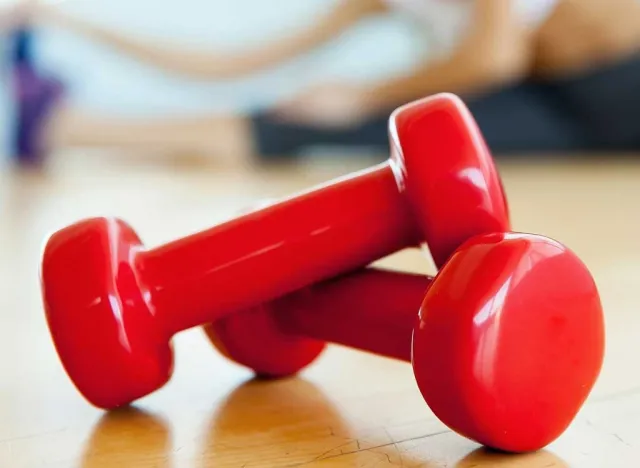
There is a common misconception that building strength requires heavy, expensive gym equipment. For the aging hand, heavy dumbbells can actually be counterproductive.
As a personal trainer with nearly 40 years of experience, including two decades of training fitness professionals at TRAINFITNESS, I have found that simple, daily, low-intensity movements consistently outperform infrequent, high-intensity workouts. There are three primary reasons for this:
- Versatility of Movement: Dumbbells primarily train the "crush grip." However, the human hand requires a variety of patterns, including pinch strength (thumb to fingers), sustained isometric holds, and rotational torque.
- Consistency Over Intensity: Tendons and small forearm muscles respond better to frequent, short-duration stimuli than they do to sporadic, heavy sessions. Frequent practice increases blood flow and tissue tolerance without the risk of overtraining or inflammation.
- Accessibility: Using household items—a towel, a book, or a shopping bag—allows you to train at a level appropriate for your current capability, ensuring that you don’t overwhelm your joints before you have built the necessary foundation.
The Four Pillars of Grip Recovery
To rebuild your strength, you must address the different functions of the hand. The following four movements form a comprehensive, six-minute daily protocol.
1. The Tennis Ball (or Towel) Squeeze
This movement targets the "crush grip," which is the most familiar pattern and the most easily lost. It strengthens the finger and forearm flexors.
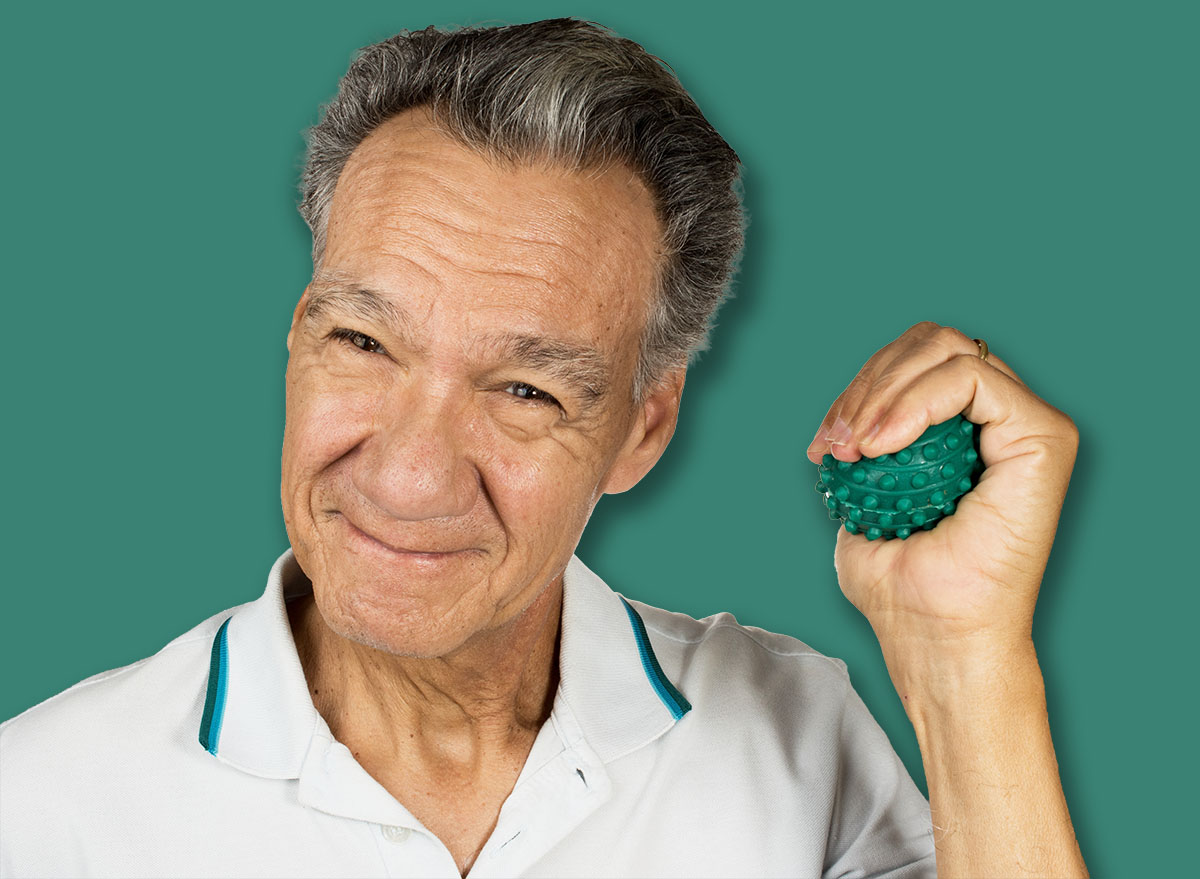
- The Technique: Hold a soft ball or a rolled-up towel in your palm. Squeeze firmly for three to five seconds, then release.
- The Benefit: Beyond building muscle, this movement promotes blood flow into the tendons, which can become brittle with inactivity.
2. The Book Pinch Hold
This exercise focuses on the pinch grip, which is essential for holding objects like phones, cutlery, or holding a grandchild’s hand. This is often the first area to suffer from arthritis.
- The Technique: Hold a book by its edge using only your thumb and fingertips. Keep your wrist straight and hold for 10–20 seconds per hand.
- The Benefit: This specifically engages the thumb adductors, a group of muscles frequently ignored by traditional weight training.
3. The Towel Wring
This mimics the action of wringing out a wet cloth, which is essential for opening stiff jars or turning stubborn taps.
- The Technique: Grasp a damp towel with both hands, twisting in opposite directions as if you are trying to extract the last drop of water.
- The Benefit: This targets the forearm rotators (pronators and supinators), which are often the weakest part of the upper arm by age 60.
4. The Sustained Carry
This trains the ability to hold a load for a meaningful duration, preventing the "fumbling" feeling when carrying groceries or a kettle.
- The Technique: Place a heavy item (like a bag with a book inside) in your hand. Walk around your home for 30–60 seconds, maintaining a tall posture.
- The Benefit: It builds endurance in the entire forearm chain, ensuring you can manage weight without fatigue.
Strategic Implementation: Fitting it Into Your Routine
The beauty of this protocol is its portability. You do not need a "workout hour."
- Morning: Squeeze a ball while watching the morning news.
- Mid-day: Pinch a book while waiting for the kettle to boil.
- Afternoon: Wring a cloth while cleaning the kitchen.
- Evening: Carry a shopping bag from the hallway to the pantry.
If this feels daunting, start with three sessions per week. Remember to take a rest day every seven to ten days during the first month to allow your tendons to adapt.
Managing Arthritis and Injury
If you live with arthritis, approach these movements with care. Always "warm up" your joints by holding your hands under warm water for a minute or using a warm compress. This simple step can significantly reduce joint stiffness and discomfort.

If you have a history of injury, modify the movements. For instance, if a "pinch" is painful, use a "palmar hold" (the whole hand) instead. Crucially: Listen to your body. A deep, muscular fatigue is productive; a sharp, "hot" ache in the joint is a sign to stop and consult a professional.
What to Expect: The Four-to-Six Week Timeline
Consistency yields rapid results. Because much of the early improvement in grip strength is neural—the brain becoming more efficient at recruiting muscle fibers—you may notice a difference in as little as 14 days.
- By Week 2: Tasks like opening a jar or lifting a kettle will feel noticeably easier.
- By Week 4–6: Your forearms will begin to show visible, subtle definition, and you will possess a newfound confidence in your manual dexterity.
Measuring Your Progress
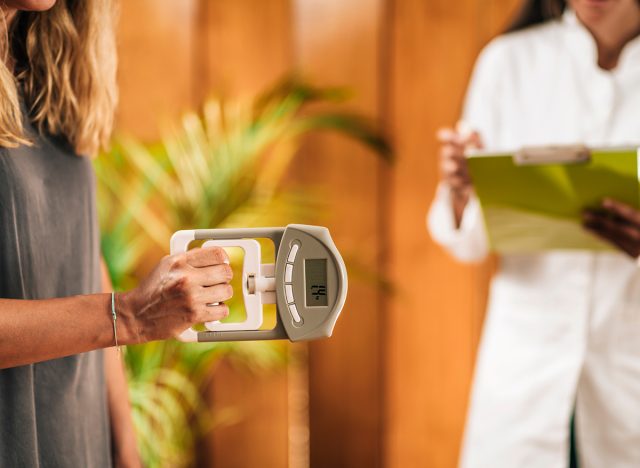
You can track your success without expensive equipment. A "hang" from a door frame or timing how long you can hold a specific weighted bag provides an excellent benchmark. If you prefer data, a hand dynamometer is a cost-effective tool (often under £20) that offers an objective measurement of your progress.
Ultimately, your grip strength is more than just a number on a scale; it is an investment in your autonomy. By treating your hands as the vital, functional tools they are, you ensure that you remain capable, confident, and independent for years to come. Start today—your future self will thank you for the effort.