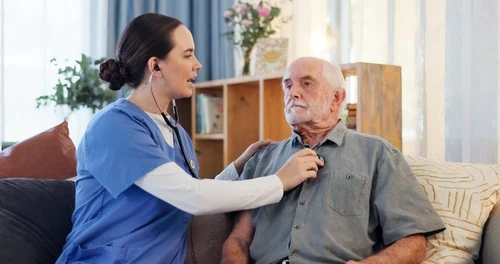












The landscape of modern healthcare is shifting, with respiratory therapy emerging as a cornerstone of patient outcomes, emergency intervention, and academic innovation. Across the United States and internationally, members of the American Association for Respiratory Care (AARC) are taking center stage, demonstrating the vital importance of the profession through clinical excellence, educational leadership, and community service.
From the cockpit of emergency flight services to the halls of prestigious research hospitals, the following report highlights recent achievements of AARC members who are redefining what it means to be a respiratory therapist in the 21st century.
I. Main Facts: The Multifaceted Role of the Modern RT
Recent news cycles have illuminated the diverse environments in which respiratory therapists (RTs) operate. Whether it is through securing financial support for the next generation of students, providing life-saving care in the high-pressure environment of naval medicine, or receiving international accolades for excellence in pulmonary care, AARC members are proving that the profession is indispensable.
The recent activities of these professionals fall into four distinct categories:
- Educational Advocacy: Securing funding and launching new programs to address the national shortage of respiratory care providers.
- Clinical Heroism: Engaging in high-acuity interventions, such as flight medicine, to save lives in critical conditions.
- Public Awareness: Educating the general public about the multifaceted role of RTs in hospital settings.
- Institutional Excellence: Setting global standards for patient care through award-winning clinical protocols.
II. Chronology: A Series of Professional Milestones
The past several months have seen a surge in media coverage regarding the impact of AARC members. Below is a breakdown of recent developments:
- Financial Support Initiatives: Christine Gluvna, MS, RRT, RRT-ACCS, highlighted a strategic partnership between Mercyhurst University and UPMC, aimed at alleviating the financial burden on students entering the respiratory care field.
- Expansion of Academic Programs: Casey Flynn, MSRC, RRT, led efforts at SOWELA Technical Community College to launch a new, fully approved respiratory care program, addressing localized workforce needs.
- Military and Naval Contributions: Ellison Robinson, RRT, a Hospital Corpsman 3rd Class in the U.S. Navy, provided a rare look into the operational necessity of RTs within naval medicine, ensuring the readiness of the warfighter.
- Clinical Reunions: Leigh Zeedyk, BSRC, RRT, demonstrated the long-term impact of flight-based respiratory therapy, reuniting with a patient whose survival was contingent upon rapid, specialized intervention during a cardiac event.
- Mentorship and Motivation: Gabrielle Packer and Sarah Parker, MAOM, RRT, RRT-NPS, showcased the importance of mentorship at Jackson College, emphasizing the "why" behind choosing a career in respiratory care.
- Global Recognition: King Faisal Specialist Hospital and Research Centre received the prestigious AARC Apex Award, signaling that the standard of care for respiratory therapy is a global benchmark.
- Media Outreach: Jason Lamb, RRT, utilized local media to explain the evolving scope of practice for RTs, while Becky Yacano, RRT, CPFT, bridged the gap between clinical practice and community philanthropy by chairing a hospital fundraising campaign.
III. Supporting Data: The Impact of RTs on Patient Care
The data surrounding the effectiveness of respiratory care is clear: patients who receive timely intervention from a board-certified respiratory therapist experience lower mortality rates and shorter hospital stays.
The Workforce Pipeline
The efforts of AARC members like Christine Gluvna and Casey Flynn are not merely local successes; they are solutions to a national crisis. According to current projections, the demand for respiratory therapists is expected to outpace the supply of graduates over the next decade. By fostering partnerships between hospital systems (like UPMC) and universities, the profession is creating a sustainable pipeline.
Clinical Specialization
The work of Leigh Zeedyk and Ellison Robinson underscores the "specialist" evolution of the profession. Modern RTs are no longer just bedside oxygen providers; they are critical care experts trained in mechanical ventilation, hemodynamic monitoring, and transport medicine. This specialization is the reason why patients like the pilot in AdventHealth’s recent story survive cardiac events that were historically fatal.
IV. Official Responses and Institutional Perspectives
On Academic Partnership
Regarding the Mercyhurst-UPMC partnership, university officials noted that the loan forgiveness program is designed to attract top-tier talent who might otherwise be deterred by the rising costs of higher education. "We are investing in the future of the clinical workforce," stated a representative from the university’s news department.
On Global Excellence
The awarding of the Apex Award to the King Faisal Specialist Hospital and Research Centre is a testament to the international reach of AARC standards. The Apex Award recognizes facilities that demonstrate high-quality care, leadership, and staff development. Hospital administration cited that the recognition has boosted morale and reaffirmed their commitment to evidence-based respiratory practices.
On Community Engagement
Becky Yacano’s leadership in the Chenango Memorial Hospital Foundation campaign highlights the RT’s role as a community leader. By stepping out of the clinical role and into the boardroom of philanthropy, she has helped translate the clinical value of respiratory therapy into tangible community support.
V. Implications: The Future of the Respiratory Profession
The recent spotlight on these AARC members reveals three primary implications for the future of the field:
1. The Rise of the "Clinical Generalist"
As Jason Lamb explained in his media appearances, the hospital of the future will rely more heavily on the RT to manage complex comorbidities. As patients live longer with chronic lung diseases, the RT’s role will continue to expand from acute care to chronic disease management and pulmonary rehabilitation.
2. Integration with Emergency Services
The success of flight therapists like Leigh Zeedyk suggests that the integration of RTs into emergency medical services (EMS) and flight teams will become standard practice. The ability to manage advanced airways and complex ventilation parameters in a moving aircraft is a skill set that saves lives in the "golden hour" of trauma.
3. The Power of Visibility
The collective actions of these AARC members prove that the profession is no longer "the silent partner" in healthcare. By engaging with media outlets—from local television stations to national digital news platforms—these professionals are educating the public on what they do. This visibility is essential for policy advocacy, ensuring that lawmakers understand the necessity of licensing and proper staffing ratios for respiratory therapists.
Conclusion: A Call to Continued Excellence
The stories of Christine Gluvna, Ellison Robinson, Casey Flynn, Leigh Zeedyk, Gabrielle Packer, Sarah Parker, Jason Lamb, and Becky Yacano are more than just news headlines; they are snapshots of a profession in its prime. Whether they are training the next generation, serving on the front lines of military medicine, or receiving global recognition for excellence, these AARC members are proving that respiratory therapy is a vital, dynamic, and essential component of the global healthcare system.
As the industry moves forward, the AARC continues to provide the framework, advocacy, and professional community necessary for these individuals to thrive. The future of respiratory care is bright, anchored by professionals who are as committed to the patient as they are to the advancement of their craft.
For more information on these stories and to learn more about how you can support the respiratory care profession, visit the AARC website at www.aarc.org.
Extended Analysis: The Strategic Importance of RT Advocacy
The trend of RTs stepping into the media spotlight is not coincidental. It is a strategic shift. For decades, respiratory therapy operated behind the scenes, often overshadowed by nursing and physician-led initiatives. However, the COVID-19 pandemic served as a global forcing function, highlighting the RT as the primary manager of mechanical ventilation—the most critical intervention for respiratory failure.
The current wave of media engagement by AARC members represents a "Post-Pandemic Advocacy Era." These members are taking the lessons learned during the crisis and applying them to long-term systemic improvements. When Casey Flynn speaks about a new program at SOWELA, he is talking about regional economic stability. When Ellison Robinson talks about naval medicine, he is talking about national security. When Becky Yacano talks about hospital fundraising, she is talking about community health infrastructure.
This holistic approach to the profession—where the RT is seen as a community asset rather than just a hospital employee—is what will drive the next decade of growth for the AARC. By humanizing the statistics and putting a face to the ventilator, these members are ensuring that the respiratory therapy profession remains at the forefront of the public consciousness.
The Role of Technology in Future Training
Looking toward the future, the integration of simulation and advanced educational models—as championed by the programs mentioned in this report—will be paramount. As Sarah Parker and Gabrielle Packer noted, the decision to enter the field is increasingly driven by a desire for high-tech, high-stakes clinical engagement. The ability of RT programs to provide hands-on, high-fidelity simulation training is what separates world-class programs from the rest.
Closing Remarks
The AARC is committed to continuing this momentum. By spotlighting members who are making a difference, the association is building a library of success stories that serve as a blueprint for others. We encourage all members to continue engaging with their local communities, sharing their stories, and advocating for the critical importance of respiratory care. Together, we are not just treating lungs; we are saving lives, building careers, and defining the future of medicine.