











By Editorial Staff
June 29, 2026
In a significant milestone for pediatric dermatology and rheumatology, the U.S. Food and Drug Administration (FDA) has officially expanded the indications for risankizumab (Skyrizi) to include the treatment of children aged 6 years and older. This decision marks a turning point in the management of chronic autoimmune skin and joint conditions, providing clinicians with a potent, targeted biologic therapy for a demographic that has historically faced limited treatment options.
The approval, announced by manufacturer AbbVie on June 26, 2026, covers two primary conditions: moderate-to-severe plaque psoriasis and active psoriatic arthritis (PsA). As the first interleukin (IL)-23 inhibitor to receive the green light for children weighing less than 40 kilograms (88 pounds), the expansion introduces a new weight-based dosing regimen, significantly broadening the therapeutic landscape for pediatric patients.
The Core Facts: A New Frontier in Pediatric Care
Risankizumab is a humanized immunoglobulin G1 monoclonal antibody that selectively binds to the p19 subunit of interleukin-23 (IL-23), a key driver in the inflammatory cascade associated with psoriatic disease. By inhibiting this cytokine, the drug interrupts the signaling pathways that lead to the characteristic skin lesions of psoriasis and the joint inflammation found in psoriatic arthritis.
For pediatric patients, the FDA’s decision is particularly consequential. Previously, many children with moderate-to-severe disease were managed with systemic therapies that were either less effective or carried heavier side-effect burdens. The availability of Skyrizi offers a high-efficacy, subcutaneous or intravenous option that aligns with the specialized needs of younger, smaller-bodied patients.
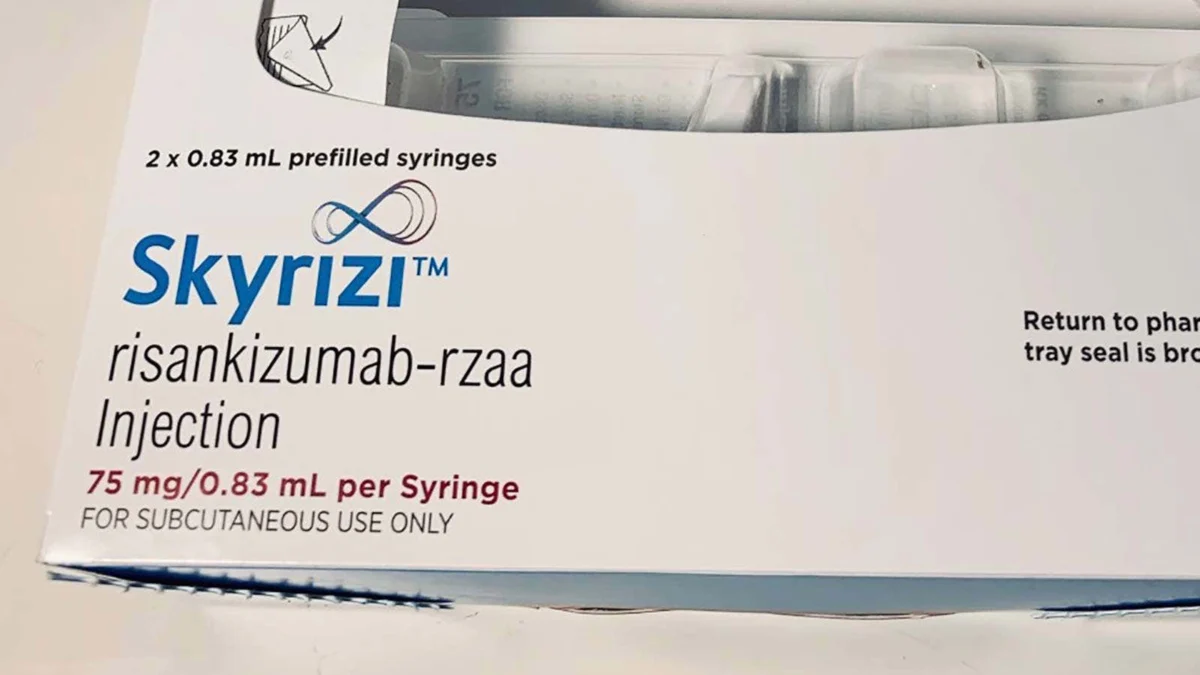
The introduction of a 55-mg pre-filled syringe is a critical component of this approval. By allowing for precise, weight-based dosing, AbbVie has ensured that children who do not meet the weight thresholds of standard adult dosages can receive consistent, therapeutic levels of the medication. This precision is essential for maintaining efficacy while minimizing the risk of adverse events in a developing immune system.
A Chronology of Development: From Clinical Trials to FDA Approval
The path to this pediatric expansion was paved by rigorous clinical investigation. The journey began with the conceptualization of the OptIMMize program, designed specifically to evaluate the efficacy and safety of risankizumab in younger populations.
- June 2020 – 2024 (The OptIMMize Phase): Researchers initiated the OptIMMize-1 and OptIMMize-2 trials. These pivotal Phase III studies were structured to evaluate pediatric patients across a spectrum of disease severity, focusing on both skin clearance (measured by the Psoriasis Area and Severity Index or PASI) and systemic inflammation (the sPGA score).
- Early 2026: Data from these trials were submitted to the FDA, demonstrating significant clinical improvements. Concurrent with the clinical trial data, researchers utilized population pharmacokinetic modeling to bridge the gap between adult psoriatic arthritis data and pediatric physiological responses.
- June 26, 2026: Following a comprehensive review of the clinical data and the modeling simulations, the FDA granted approval for the expanded indication.
- June 29, 2026: Official industry and medical community discourse begins regarding the implementation of this new treatment standard.
Supporting Data: Evidence of Efficacy
The clinical efficacy of risankizumab in this pediatric cohort was validated through the OptIMMize trials, which provided the primary evidentiary support for the FDA’s decision.
Achieving Skin Clearance
The Week-16 results from the OptIMMize studies were particularly striking. According to the data, 69% of participants treated with risankizumab achieved an sPGA score of 0 (clear) or 1 (almost clear), accompanied by a minimum 2-point improvement from baseline. Perhaps even more telling of the drug’s potency was the PASI metric: 85% of treated children experienced a 75% or greater reduction in their Psoriasis Area and Severity Index scores.
These metrics are considered the "gold standard" in dermatological clinical trials. Achieving such high levels of clearance within 16 weeks suggests that the drug is not only effective but also fast-acting, a critical factor for children who may be suffering from the social and psychological impacts of visible skin disease.
Addressing Psoriatic Arthritis
While the plaque psoriasis data were gathered through direct clinical observation, the approval for psoriatic arthritis in children relied on a combination of the OptIMMize findings and advanced pharmacokinetic simulations. By mapping the drug’s behavior in the pediatric body against established, well-controlled adult studies, the regulatory process confirmed that the drug could safely and effectively manage the joint inflammation associated with PsA in younger children.
Official Responses and Clinical Perspectives
The medical community has reacted with cautious optimism, noting that the flexibility provided by the new dosing regimen is a major clinical win.
Dr. Amy Paller, a prominent investigator from the Northwestern University Feinberg School of Medicine, highlighted the dual benefit of the drug’s efficacy and its accessibility. "Risankizumab demonstrated clinically meaningful improvements in sPGA and PASI responses, with responses maintained long-term with continued treatment," Dr. Paller stated. She emphasized that the ability to offer weight-based dosing transforms how pediatricians approach the "broad range of children" living with these debilitating conditions, allowing for more individualized care plans.
From the pharmaceutical perspective, AbbVie has framed the approval as a commitment to addressing unmet needs. By bridging the gap between adult biologics and pediatric care, the company seeks to reduce the number of children who are "under-treated" due to a lack of age-appropriate biological options.
Safety Profile and Risk Management
As with any potent biologic, the use of risankizumab is accompanied by a robust safety monitoring framework. The prescribing information for the pediatric indication carries standard warnings common to IL-23 inhibitors.
Common Adverse Events
In clinical trials, the most frequently reported side effects included:
- Upper respiratory infections
- Tinea infections (fungal skin infections)
- Headache
- Fatigue
- Injection site reactions
Precautions and Warnings
The labeling mandates specific clinical vigilance, including:
- Infection Screening: Patients must be screened for tuberculosis (TB) prior to initiating therapy, as biologics can increase the risk of latent TB reactivation.
- Hypersensitivity: Physicians are advised to monitor for potential allergic or hypersensitivity reactions.
- Vaccination Protocol: Because risankizumab affects the immune system, the administration of live vaccines must be avoided during treatment.
- Liver Function: While drug-induced liver injury has been more commonly associated with its use in inflammatory bowel disease (IBD) populations, clinicians are advised to remain vigilant regarding hepatic markers.
Implications for the Future of Pediatric Rheumatology
The approval of risankizumab for children as young as 6 years old signifies a broader shift in the treatment of pediatric chronic inflammatory diseases. Historically, children were often treated with "off-label" biologics or systemic immunosuppressants that lacked the specific regulatory approval and dosing precision required for optimal safety.
Impact on Patient Quality of Life
For the child with moderate-to-severe plaque psoriasis, the implications go beyond mere skin clearance. Psoriasis in childhood is strongly correlated with anxiety, depression, and social withdrawal. By achieving near-complete clearance, clinicians can help patients return to normal social and educational activities, effectively mitigating the psychosocial toll of the disease.
A Model for Future Drug Development
The successful use of pharmacokinetic modeling to support the psoriatic arthritis indication is a blueprint for future pediatric drug approvals. By demonstrating that data from adult studies can be reliably extrapolated to children through simulation, regulators are showing a willingness to expedite the availability of life-changing medications without compromising safety.
Looking Ahead
As risankizumab enters the pediatric market, the focus will now shift to real-world evidence gathering. Long-term studies will be essential to understand the durability of the response and to ensure that the safety profile remains consistent as the drug moves from controlled clinical settings into diverse, real-world patient populations.
Furthermore, the expansion of the IL-23 inhibitor class into the pediatric space may prompt further research into whether these therapies can be utilized earlier in the disease course to prevent the long-term joint damage associated with juvenile psoriatic arthritis. For now, however, the availability of a highly targeted, weight-calibrated biologic provides a much-needed tool for clinicians and a ray of hope for families managing these complex conditions.