




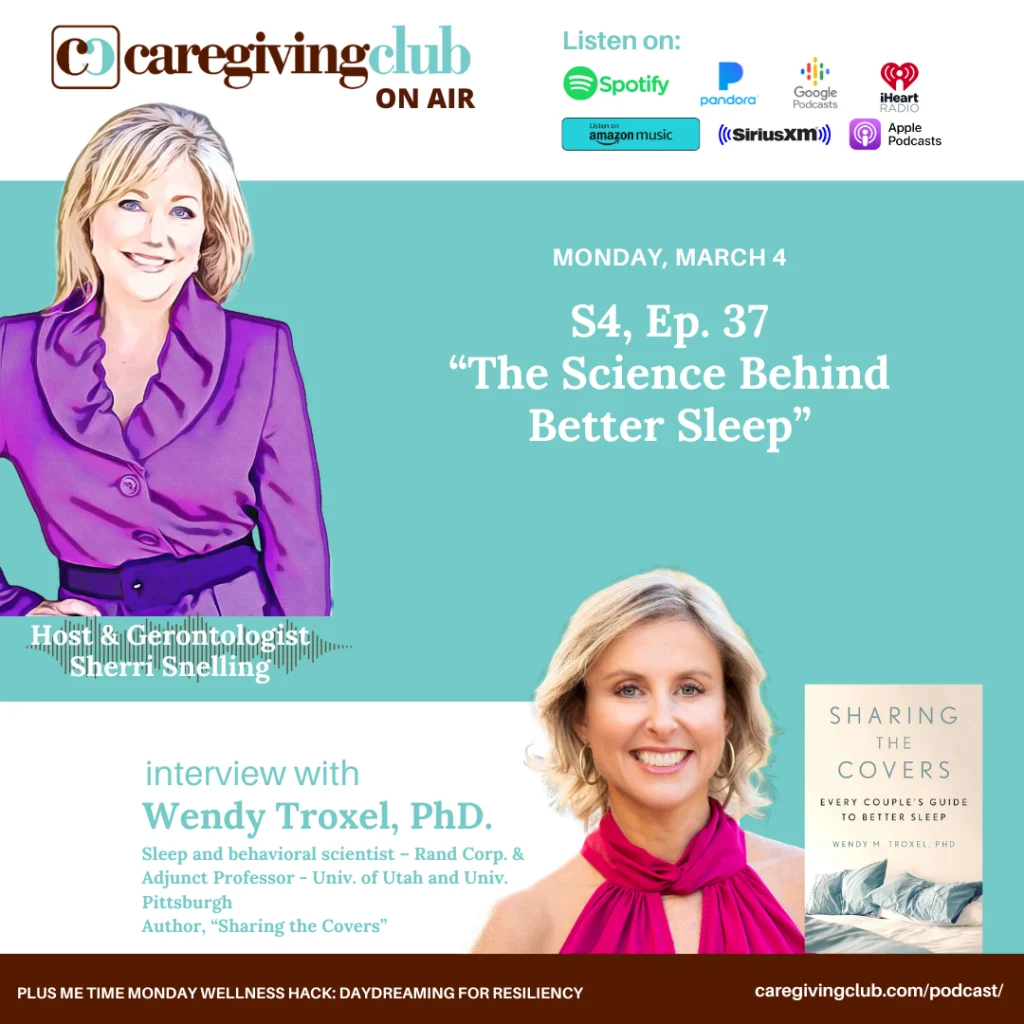
In the ongoing battle against neurodegenerative diseases, medical researchers are increasingly looking beyond traditional pharmaceuticals to harness the power of our most primal sense: the sense of smell. As we observe Brain Health Awareness Week (March 16–20), the Caregiving Club On Air podcast has dedicated its latest episode (S6, EP 66) to exploring the profound intersection between olfactory stimulation and cognitive longevity.
At the center of this movement is Dr. Michael Leon, Professor Emeritus at the University of California, Irvine (UCI). His pioneering work suggests that by strategically stimulating the olfactory system, we can not only improve daily cognitive performance but potentially mitigate the devastating impacts of brain aging and diseases like Alzheimer’s.

The Science of Scent: Unlocking the Brain’s Potential
The human brain is an extraordinary, plastic organ, yet it is susceptible to the twin enemies of inflammation and oxidative stress—both of which accelerate the decline associated with Alzheimer’s. According to Sherri Snelling, author of ME TIME MONDAY and host of the Caregiving Club, the key to combating this decline lies in the deliberate engagement of our five senses.
"When our senses are enhanced, we are building better brain performance while also reducing the risk for chronic diseases," Snelling explains. Her philosophy aligns with recent neuroscience research that emphasizes sensory input as a catalyst for neuroplasticity—the brain’s ability to reorganize itself by forming new neural connections.

Dr. Michael Leon, a renowned neuroscientist, has spent his career examining the mechanisms of brain health. His research into the olfactory system reveals that the sense of smell is uniquely positioned to impact brain health due to its direct, high-speed access to the brain’s memory and emotional centers—the hippocampus and the amygdala.
A Chronology of Discovery: From Lab to Living Room
The journey from academic research to practical, home-based application has been a multi-year endeavor.

- Initial Research Phase: Dr. Leon’s early work at UCI identified that chronic, low-level stimulation of the olfactory system could significantly bolster cognitive performance.
- The "Scent-Training" Breakthrough: In a landmark study, researchers discovered that participants who underwent specific scent-training regimens demonstrated a 226% increase in memory and cognitive performance. This staggering statistic provided the empirical foundation for what many now call "neuro-olfactory therapy."
- Product Development: Recognizing the need to translate these findings into accessible, consumer-friendly tools, Dr. Leon co-created Memory Air. This device represents a fusion of neuroscience and interior design, often categorized under the emerging field of "Well Home Design" or "NeuroDesign."
- Expansion of Awareness: Throughout the mid-2020s, the integration of sensory science into daily caregiving routines has become a focal point for organizations like the Caregiving Club, moving the conversation from purely clinical settings to the household level.
Supporting Data: Why Olfaction Matters
The evidence supporting the link between smell and brain health is robust. Olfactory dysfunction is often one of the earliest biomarkers for Alzheimer’s disease and other forms of dementia. Because the olfactory bulb is one of the first areas of the brain affected by the buildup of amyloid plaques, protecting this pathway is a strategic imperative for long-term cognitive health.
Dr. Leon’s research suggests that by providing the brain with enriched sensory environments—specifically through specific, pleasant, and varied scents—we can induce a state of "brain exercise." Just as physical exercise strengthens the heart and muscles, targeted olfactory stimulation strengthens the neural pathways associated with memory.

Furthermore, specific scents have been shown to regulate the autonomic nervous system. While some scents are designed to sharpen cognitive focus during the day, others—such as lavender or specific essential oil blends—are scientifically formulated to promote deep, restorative sleep. Given that the brain performs its "housekeeping" (removing toxic proteins like beta-amyloid) during sleep, the role of scent in sleep hygiene cannot be overstated.
Official Perspectives: The Rise of Well Home Design
The architectural and interior design communities are taking notice of these developments. The "Well Home" movement, or NeuroDesign, posits that our living environments should be engineered to support our biological needs.

"Well Home Design is not just about aesthetics," Dr. Leon notes. "It is about creating an environment that acts as a support system for the brain."
By integrating devices like Memory Air into the bedroom or office, individuals can create a sensory-rich environment that promotes:

- Reduced Cortisol Levels: Lowering the stress hormones that contribute to brain fog and cognitive decline.
- Enhanced Neurogenesis: Encouraging the growth of new neurons through environmental enrichment.
- Improved Sleep Architecture: Facilitating the deep-sleep cycles necessary for memory consolidation and cognitive repair.
Implications for Caregivers and the "Sandwich Generation"
The Caregiving Club has consistently highlighted the challenges faced by the "Sandwich Generation"—those caring for aging parents while simultaneously raising their own children. For these individuals, high-intensity, time-consuming self-care is often impossible.
The beauty of the olfactory approach is its passive nature. Once a device is placed in the home, it provides benefits without requiring the caregiver to find an extra hour in their day for a gym workout or a meditation session. This aligns with the "7-Minute Self-Care" philosophy championed by Sherri Snelling, which emphasizes that small, consistent interventions lead to significant long-term health outcomes.

A Broader Context: The Caregiving Club’s Impact
The Caregiving Club On Air podcast has recently been ranked #3 among the top 80 caregiving podcasts by the research firm Feedspot. This ranking reflects a growing hunger for actionable, science-backed information in the caregiver community.
Beyond the recent focus on scent, the podcast and its associated educational platforms continue to advocate for a holistic approach to caregiving. This includes:

- Nutritional Science: The MIND Diet, which combines elements of the Mediterranean and DASH diets, is heavily promoted for its role in reducing inflammation.
- Digital Wellness: Addressing the impact of screen time on sleep and brain health through initiatives like "Unplugging Day."
- Sensory Integration: Utilizing music, nature-based (biophilic) design, and light therapy in tandem with scent to provide a comprehensive sensory toolkit.
Conclusion: The Future of Cognitive Health
As we look toward the future, the integration of neuroscience into our everyday lives will likely become the standard for aging well. The work of Dr. Michael Leon and the advocacy of the Caregiving Club serve as a vital reminder: the brain is not a static organ, but a dynamic, sensory-seeking machine that responds to the environment we build for it.
For those looking to take the first steps toward better brain health, the message is clear: Start small. Whether it is incorporating the MIND diet into your weekly meal plan, establishing a "7-minute" self-care routine, or exploring the benefits of olfactory training, every small change contributes to a more resilient, cognitively healthy future.

As we continue to navigate the complexities of brain health, the marriage of ancient wisdom—the power of scent—and modern neuroscience offers a beacon of hope for caregivers and their loved ones alike. By designing our homes and our habits with the brain in mind, we can turn our living spaces into sanctuaries of cognitive preservation.
Resources for Further Exploration
For those interested in the topics discussed, the following resources provide deeper insights:

- Educational Content: Visit the Caregiving Club YouTube channel for the full "Self-Care in 7 Minutes" video library, including segments on music therapy, nutrition, and digital detoxing.
- Professional Guidance: For local resources, the Elder Care Locator (eldercare.gov) remains the gold standard for connecting with regional support services.
- Further Reading: Sherri Snelling’s ME TIME MONDAY offers a comprehensive guide to sensory-based brain health.
- Specialized Research: Review the work of Dr. Michael Leon at the University of California, Irvine, Center for the Neurobiology of Learning and Memory (cnlm.uci.edu/leon).
The Caregiving Club continues to lead the conversation in caregiver wellness, providing the tools and knowledge necessary to navigate the challenges of aging with grace, science, and sensory support.