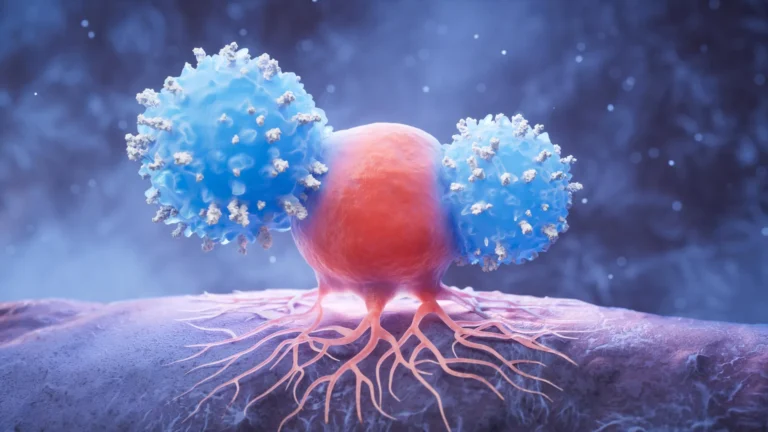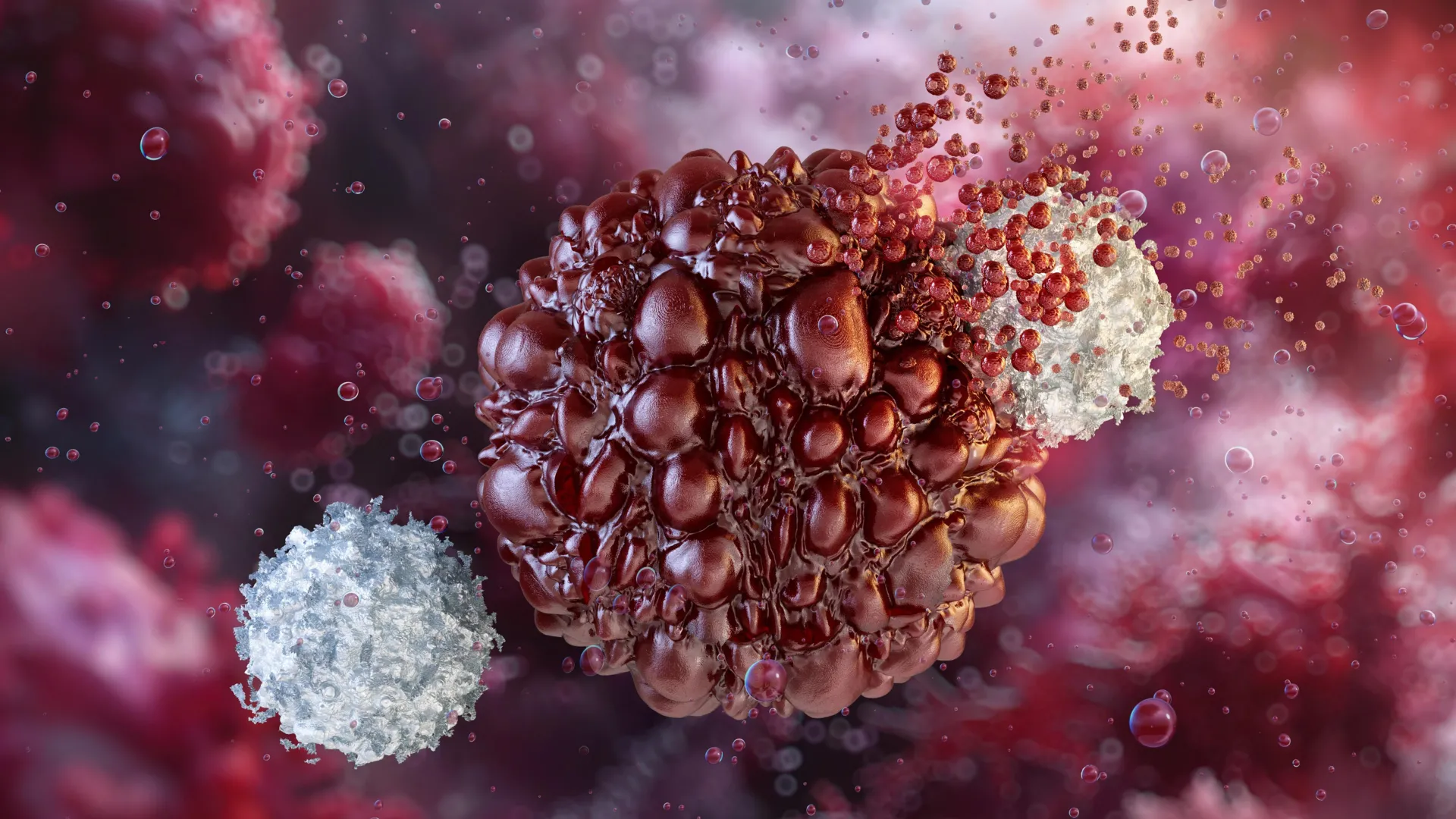
In a landmark study that could fundamentally reshape the landscape of modern medicine, researchers at USC Stem Cell have unveiled a revolutionary platform for creating a renewable, expandable supply of immune cell precursors. Published in the journal Cell, the research details a method to cultivate granulocyte-monocyte progenitors (GMPs)—the "middle-managers" of the immune system—which hold the potential to overcome the persistent hurdles facing current cancer immunotherapy and the treatment of complex immune disorders.
This discovery challenges long-held biological dogmas regarding the limitations of progenitor cells, offering a scalable, "off-the-shelf" alternative to the personalized, patient-specific cell therapies that currently dominate the clinical pipeline.
The Core Innovation: Redefining Progenitor Potential
For decades, the scientific community has operated under a rigid hierarchical model of blood development. Traditionally, "self-renewal"—the ability of a cell to divide indefinitely while maintaining its original identity—was considered the exclusive domain of hematopoietic stem cells (HSCs). Progenitor cells, which sit further down the developmental ladder, were viewed as transient, limited-lifespan entities destined to mature into specific functional cells like macrophages or neutrophils.
The USC team, led by corresponding author Qi-Long Ying, MD, PhD, has shattered this paradigm. By utilizing a highly specialized chemical cocktail, the researchers successfully coaxed GMPs into a state of long-term self-renewal. These cells can be expanded extensively in the laboratory without losing their molecular signature or their inherent capacity to differentiate into functional immune cells upon demand.
"The prevailing view has been that long-term self-renewal in the blood system is primarily a property of the hematopoietic stem cells," explained Dr. Ying, a professor of stem cell biology and regenerative medicine at the Keck School of Medicine of USC. "We found that, under the right conditions, GMPs can also self-renew, dividing extensively while keeping their identity. That gives us a scalable starting point for engineering cell therapies for cancer, infectious disease, and potentially many other conditions."
A Chronology of Discovery
The development of the GMP platform represents the culmination of years of rigorous investigation into cell developmental pathways.
- Initial Conception: The researchers identified that while mature macrophages—the "garbage collectors" of the immune system—were ideal candidates for attacking solid tumors, they were notoriously difficult to work with. They are fragile, difficult to engineer, and have a short shelf-life.
- The Pivot to Precursors: Recognizing these limitations, first author Shi Yue, MD, and the team shifted their focus upstream to GMPs. The challenge was to keep these cells in a "pre-mature" state while allowing them to multiply.
- Chemical Optimization: Through systematic trial and error, the team developed a defined chemical medium that suppressed terminal maturation, effectively trapping the GMPs in a proliferative loop.
- Validation: The researchers successfully expanded both mouse and human GMPs. To ensure the robustness of their findings, the team collaborated with the lab of Ravi Majeti, MD, PhD, at Stanford University. The independent replication of these results at Stanford provided a crucial "gold standard" verification, confirming the platform’s reliability and therapeutic viability.
- Functional Testing: Once the cells were expanded, the team introduced genetic modifications, specifically equipping them with Chimeric Antigen Receptors (CARs), and tested them in animal models to observe their behavior in vivo.
Why Macrophage Precursors?
To understand the importance of this work, one must look at the limitations of current CAR-T cell therapies. While CAR-T therapies have achieved near-miraculous results in certain blood cancers, they have struggled to penetrate the "fortress" of solid tumors. Solid tumors often create an immunosuppressive microenvironment that keeps T-cells at bay.
Macrophages, by contrast, naturally infiltrate these tumor environments. They possess the unique ability to engulf cancer cells and orchestrate a broader immune response by signaling to other cells. However, generating enough mature macrophages to act as a potent therapy has been the "holy grail" of the field.
Mature macrophages are notoriously difficult to cryopreserve; they often lose viability after freezing. Furthermore, when introduced into the body, they tend to cluster in the liver and lungs, failing to reach the tumor sites in sufficient numbers. By using GMPs, researchers can deliver a "seed" that settles into the bone marrow. Once established, these GMPs act as a persistent factory, continuously producing a fresh supply of engineered, tumor-fighting macrophages directly from within the patient’s own immune-forming tissues.
Engineering the Future: CAR-GMPs and Beyond
The research goes beyond mere cultivation; it introduces a sophisticated engineering framework. The team equipped these GMPs with two distinct genetic signals:
- The CAR Signal: Designed to help the cell identify specific markers on cancer cells, directing them to the target.
- The Activation Signal: A secondary signal that "wakes up" nearby immune cells, creating a more robust, collective immune attack.
Perhaps most significantly, the researchers found that these engineered GMPs remain effective even when the donor and recipient are immunologically mismatched. This observation hints at a future where we can move away from "autologous" therapies (where a patient’s own cells are harvested and engineered) toward "allogeneic" therapies (where cells are prepared in advance from a universal donor). This transition would drastically reduce the cost, time, and logistical burden of immunotherapy, making it accessible to a much broader patient population.
Supporting Data and Experimental Outcomes
In laboratory trials, the results were striking. When introduced into mice models—including those with blood-based cancers and aggressive solid tumors—the CAR-engineered GMPs demonstrated a significant ability to slow disease progression.
The researchers monitored the cells to ensure they were not merely a temporary infusion but a long-term presence. They found that the GMPs migrated to the bone marrow and other hematologic niches, where they maintained a steady output of functional, tumor-targeted macrophages. This persistent, internal supply chain avoided the "rapid loss" of efficacy typically seen with mature macrophage infusions, where the cell count dwindles shortly after administration.
Furthermore, the team tested the technology in a mouse model of chronic granulomatous disease (CGD), an inherited condition where the immune system cannot effectively combat bacterial infections. The GMP treatment restored the animals’ ability to fight these infections, proving that the platform is not limited to oncology. It is, in essence, a modular immune-reconstitution platform.
Official Responses and Expert Perspective
The scientific community has met the study with significant optimism. Dr. Ravi Majeti, who led the independent verification efforts at Stanford, emphasized the translational potential of the work.
"This method for the expansion and engineering of GMPs opens the door to numerous translational applications, much like T-cell expansion and engineering," Majeti noted. "We have already demonstrated engineering of these cells to drive multiple potent functions, and there is a lot more to be explored."
Dr. Ying, while cautious, remains optimistic about the long-term shift in the field. "Our study suggests that the future of immunotherapy may depend not only on designing better CAR receptors, but also on choosing the right developmental stage of the cell," he said. By targeting the progenitor stage, the team has effectively bypassed the biological bottlenecks that have hindered previous generations of cell therapy.
Broader Implications for Medicine
The implications of this research extend far beyond the laboratory bench at USC. If successfully translated into human clinical trials, this GMP platform could provide:
- Enhanced Solid Tumor Treatment: By utilizing macrophages that are hard-wired to infiltrate tumor microenvironments, doctors may finally have a weapon against pancreatic, lung, and breast cancers that have previously been resistant to immunotherapy.
- Scalable Manufacturing: The ability to grow these cells in large quantities allows for standardized, "off-the-shelf" products that can be manufactured at scale, potentially lowering the astronomical costs associated with current personalized treatments.
- Versatility: The platform acts as a blank slate. By modifying the genetic payload of the GMPs, clinicians could theoretically treat not only cancer but also chronic viral infections, autoimmune diseases, and primary immune deficiencies.
Conclusion
The study, "Expansion and CAR engineering of granulocyte-monocyte progenitors for cellular immunotherapy," marks a pivotal moment in stem cell biology. By proving that progenitor cells possess an untapped capacity for self-renewal and can be precisely engineered for therapeutic use, the researchers have opened a new frontier in regenerative medicine. While clinical applications will require rigorous safety testing and further refinement, the work provides a robust foundation for a new generation of "living medicines" that are more effective, more durable, and more accessible than anything available today.