




In an era dominated by high-tech fitness wearables, sophisticated sleep trackers, and algorithmic health data, we are increasingly distracted by the minutiae of our biometric readings. We obsess over step counts and heart rate variability, often overlooking the most fundamental metrics of human function. While medical diagnostics remain vital for clinical care, the most accurate barometer of how well you are aging is often found not in a lab, but in the simple, timeless movements that define our physical independence.
For adults over the age of 60, the narrative of aging is shifting from one of inevitable decline to one of proactive maintenance. According to experts, the key to "aging like an athlete" does not require expensive gym memberships or complex equipment. Instead, it relies on mastering the foundational movements that sustain our mobility, strength, and structural integrity.
The Science of Functional Fitness After 60
The biological reality of turning 60 brings specific physiological challenges, primarily the gradual loss of muscle mass (sarcopenia) and a decrease in bone density. However, these are not inescapable fates. A 2025 review published in the Journal of Geriatric Physical Therapy reinforces a critical truth: muscular strength and functional movement are the two strongest predictors of healthy aging.
Higher levels of functional fitness are directly correlated with lower risks of falls, increased independence, and a significantly higher quality of life. James Brady, a Certified Personal Trainer at OriGym, emphasizes that physical function is a systemic indicator. "There is no single ‘magic’ test that determines your biological age," Brady explains. "But if you can comfortably and consistently perform specific, classic movements, you are demonstrating the core physical qualities required for a long, active life."
The Chronology of Movement: Why These Four Matter
To understand why these four specific exercises—the squat, the push-up, the plank, and the single-leg stand—are the gold standard for vitality, we must look at the mechanical demands they place on the human body.
- Squats (The Foundation of Mobility): They test the kinetic chain of the lower body, requiring synchronization between the ankles, knees, and hips.
- Push-ups (The Upper-Body Anchor): They measure not just arm strength, but the integrity of the shoulder girdle and the core’s ability to stabilize under tension.
- Planks (The Core Stabilizer): They assess the endurance of the posterior chain and the abdominal wall, which protects the lumbar spine.
- Single-Leg Stands (The Balance Quotient): They isolate the stabilizing muscles, acting as a direct proxy for neurological control and fall-prevention capabilities.
Supporting Data: The Case for Functional Training
The transition into one’s seventh decade is often marked by a sedentary shift, which exacerbates the degradation of muscle fibers. Research indicates that the ability to perform these movements acts as a "functional screen." If a 60-year-old cannot perform a basic squat, it suggests a limitation in hip mobility or quadriceps strength, both of which are precursors to mobility issues in later years.
Furthermore, the data on fall prevention is compelling. Balance-related exercises, such as the single-leg stand, have been shown to improve proprioception—the body’s ability to sense its position in space. When practiced regularly, these movements act as a form of "biological insurance," keeping the neuromuscular system sharp and responsive.
Expert Insight: James Brady on Longevity Metrics
"When I work with clients over 60," says James Brady, "we aren’t training for the mirror. We are training for the ‘activities of daily living’ (ADLs). Can you get off the floor after playing with your grandchildren? Can you carry your groceries without instability? Can you reach for an object on a high shelf without shoulder pain?"
Brady argues that these four exercises serve as a self-assessment tool. "If you struggle with these movements, it isn’t a sign of failure—it is a roadmap. It tells you exactly where your weaknesses lie, allowing you to build a targeted plan to reclaim your strength."
The Four Benchmarks: Step-by-Step Execution
1. The Squat: The Engine of Daily Function
Squats are the ultimate test of your ability to navigate the world. They engage the quads, hamstrings, and glutes, while demanding flexibility in the lower extremities.
- How to perform: Stand with feet shoulder-width apart, toes slightly pointed out. Initiate the movement by pushing your hips back as if sitting into an invisible chair. Keep your chest upright and your heels firmly planted on the floor. Lower yourself until your thighs are parallel to the floor, then drive through your heels to return to the starting position.
- The Goal: Aim for 10–15 controlled repetitions without knee pain or loss of balance.
2. The Push-Up: The Upper-Body Stabilizer
Beyond building pectoral and tricep strength, the push-up requires a "plank-like" rigidity that forces the entire body to work as a single unit.
- How to perform: Begin in a high-plank position with hands slightly wider than shoulder-width. Keep your back straight, ensuring your hips don’t sag. Lower your body until your chest almost touches the floor, maintaining a 45-degree angle with your elbows. Push back up with controlled force.
- The Goal: If a standard push-up is too difficult initially, perform them against a sturdy wall or an elevated surface like a countertop to maintain proper form.
3. The Plank: The Guardian of the Spine
As we age, core endurance is arguably more important than "six-pack" aesthetics. A strong core protects the lower back and improves posture.
- How to perform: Place your forearms on the ground, elbows directly beneath your shoulders. Extend your legs behind you, resting on your toes. Tighten your glutes and core, creating a straight line from your head to your heels. Do not let your lower back dip or your hips rise too high.
- The Goal: Hold this position for 30 to 60 seconds. If you feel shaking, that is simply your muscles working to stabilize your spine.
4. Single-Leg Stands: The Balance Masterclass
Balance is often the first physical attribute to fade if not challenged. This move tests your stability and neurological coordination.
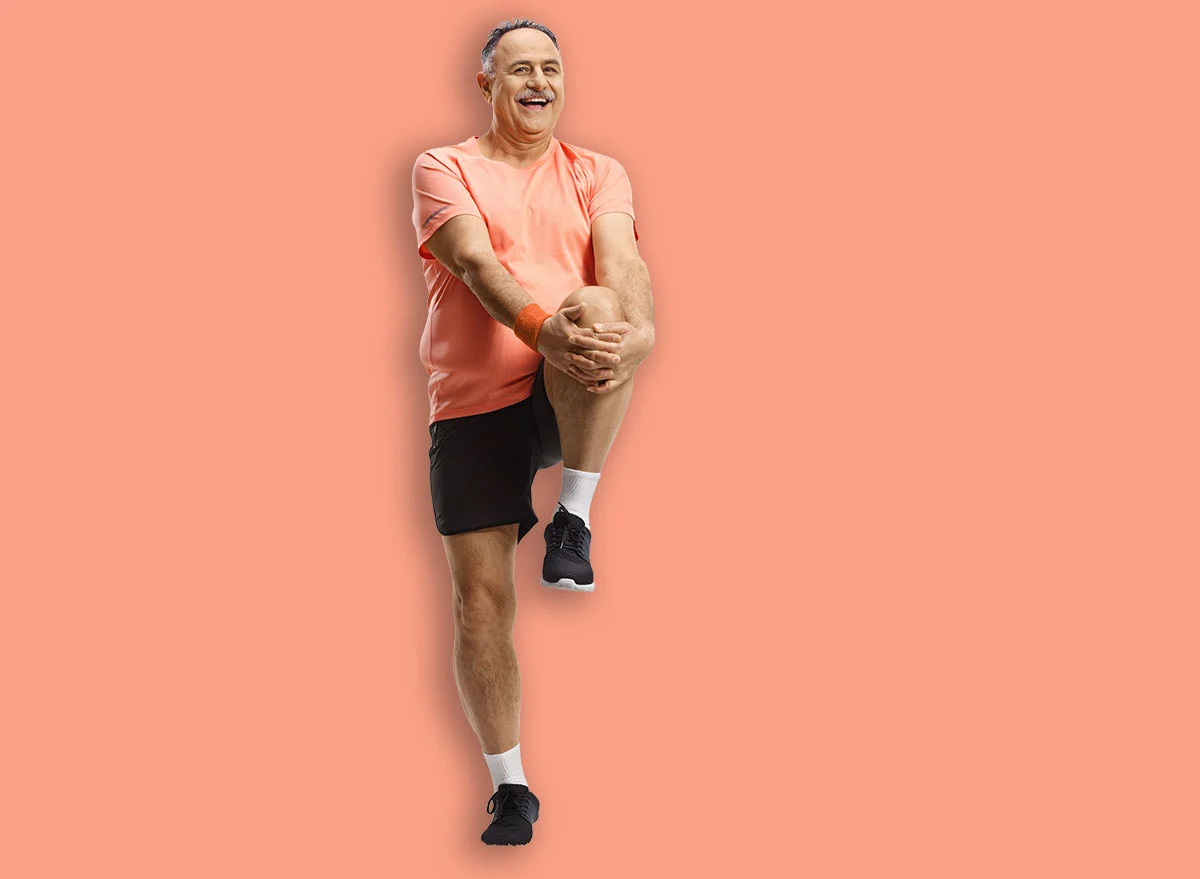
- How to perform: Stand near a wall for safety. Lift one foot slightly off the ground, balancing on the other leg. Keep your posture tall and your core engaged. Hold the position for 20–30 seconds before switching legs.
- The Goal: The ability to hold this for 30 seconds per side without grabbing onto support is a strong indicator of excellent proprioception and lower-body stability.
Implications for Healthy Aging
Incorporating these four exercises into your weekly routine does more than just improve your physical appearance. It fosters a mindset of empowerment. By mastering these movements, you are actively mitigating the risks associated with aging.
The Path Forward
You do not need to overhaul your life to see results. Begin by performing these movements two to three times a week. Start with modifications if necessary, and gradually increase the intensity as your strength improves.
The goal of this routine is not to become a competitive powerlifter, but to ensure that your body remains a reliable vessel for your life’s adventures. At 60, you are not nearing the end of your athletic potential; you are entering a phase where smart, consistent, and functional training becomes the key to autonomy.
As you integrate these movements, remember that consistency is the most important variable. Whether it’s a squat to get out of your chair or a single-leg stand while waiting for the coffee to brew, these small, intentional acts of movement build the foundation for a vibrant, active, and independent future.