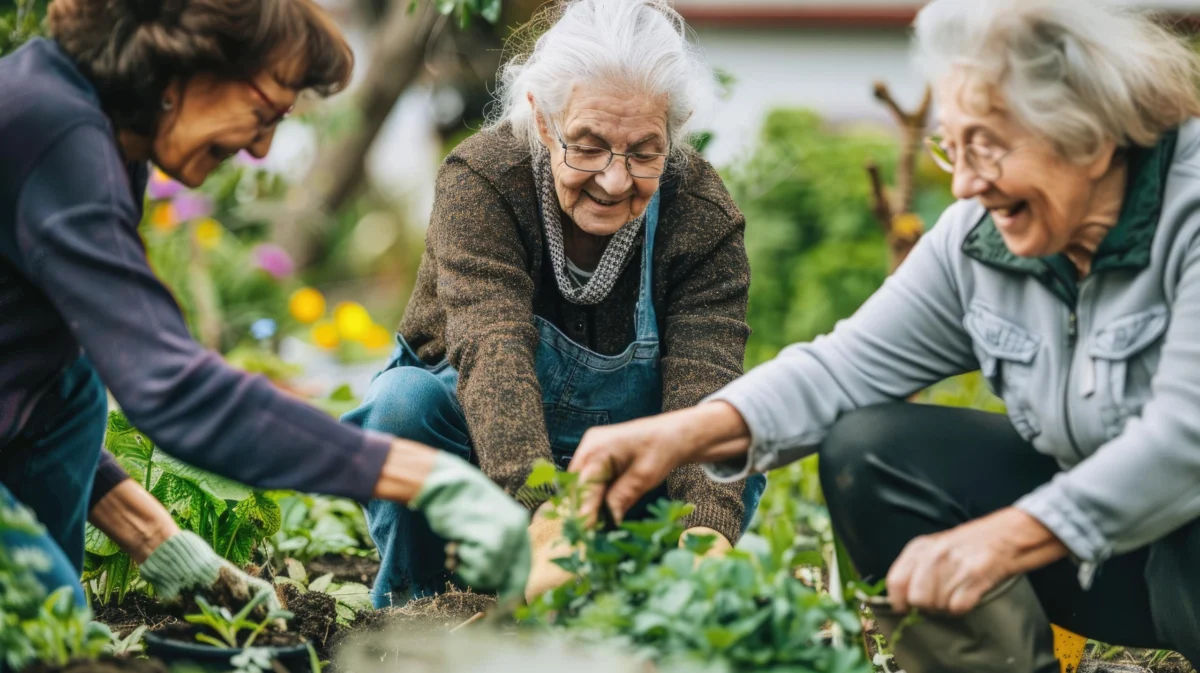
The nostalgia of Earth Day often evokes images of elementary school classrooms: construction paper projects, saplings planted in schoolyards, and the simple, earnest desire to "save the planet." However, as we navigate the complexities of aging, the principles behind these childhood lessons—connection to the environment, stewardship, and purposeful activity—take on a profound new significance. Recent research suggests that the simple act of digging in the dirt is far more than a recreational pastime; it is a clinical intervention for the body and the mind.
As we celebrate Earth Day this April, it is time to shift the narrative surrounding aging. Rather than viewing the later years as a period of inevitable decline, experts are increasingly pointing toward "meaningful occupation"—the daily activities that provide structure and joy—as the cornerstone of longevity. Among these, gardening has emerged as a premier therapeutic tool, offering a unique synthesis of physical rehabilitation, psychological support, and social integration.
The Science of the Soil: Key Findings in Therapeutic Horticulture
A landmark study published in the American Journal of Occupational Therapy (AJOT) has provided empirical weight to what many green thumbs have long suspected: gardening is a powerful catalyst for human flourishing. The study, which utilized a case-series methodology to monitor residents within a transitional housing facility, examined the impact of a structured, five-week gardening group therapy program.
The results were transformative. Researchers observed that for older adults in supported living environments, communal gardening provided more than just fresh produce; it acted as a vital "avenue for hope and self-fulfillment." Participants demonstrated measurable improvements in mental health metrics, social participation, and overall life satisfaction. By fostering a sense of agency—the ability to nurture a living thing from seed to harvest—the participants reported a renewed sense of purpose that transcended the boundaries of their housing environment.
Occupational Therapy: The Architecture of Daily Living
This research coincides with the recognition of April as Occupational Therapy (OT) Month. Occupational therapists are the unsung architects of the healthcare world, focusing not just on curing disease, but on enabling individuals to perform the "occupations" of life—the tasks that give their days shape, meaning, and independence.
"Occupational therapy is fundamentally about empowering individuals to engage in the activities that are most meaningful to them," explains Katie Riley, Vice President of Communications for the Alliance for Aging Research. "When we look at gardening through an OT lens, we aren’t just looking at a hobby. We are looking at a complex, multisensory activity that demands cognitive engagement, physical dexterity, and social cooperation."
By integrating gardening into the care plans of older adults, occupational therapists are leveraging a "nature-based intervention" that addresses several pillars of health simultaneously:
- Cognitive Stimulation: Planning a garden, identifying plant species, and troubleshooting pests requires constant mental engagement, which helps build cognitive reserve.
- Social Connectivity: Gardening clubs break the cycle of isolation. The shared labor of weeding or the simple joy of admiring a blooming flower creates a natural bridge for conversation and communal bonding.
- Physical Rehabilitation: The movements involved in gardening—reaching, squatting, carrying, and fine motor manipulation—serve as a functional, low-impact exercise regimen that promotes flexibility and strength without the monotony of a traditional gym environment.
Chronology of a Growing Movement
The recognition of nature-based therapies is not a sudden trend but the culmination of decades of research into environmental psychology and geriatric health.
- 1970s–1980s: Early horticultural therapy programs begin to appear in psychiatric wards and rehabilitation centers, focusing on the calming effect of nature on patients with chronic conditions.
- 1990s–2000s: The "Active Aging" movement gains global traction, emphasizing that sedentary lifestyles are the primary enemy of healthy longevity. Public health initiatives begin to encourage outdoor activity for seniors.
- 2010s: Evidence mounts regarding the physiological benefits of "Vitamin N" (Nature). Studies on cortisol levels show that just 20 minutes in a green space can significantly reduce stress markers.
- 2022: The AJOT study solidifies the link between community gardening and psychological hope, moving the practice from "alternative wellness" to "evidence-based intervention."
- 2026 and Beyond: We are now entering an era where "green prescriptions"—doctors literally recommending time in nature or gardening—are becoming a standard component of integrative geriatric care.
Supporting Data: The Biological and Psychological Gains
The benefits of gardening extend deep into the physiological systems of the human body. When an older adult engages with a garden, they are essentially participating in a multi-modal health program.
The Immune and Nutritional Boost
Growing one’s own food provides a direct link between labor and nutrition. Produce grown at home is often consumed at the peak of ripeness, retaining higher concentrations of phytonutrients and vitamins compared to store-bought varieties that may have traveled thousands of miles. Furthermore, the absence of chemical preservatives and the reduction in sodium—often found in processed, shelf-stable foods—support cardiovascular health and immune function.
The "Sneaky" Workout
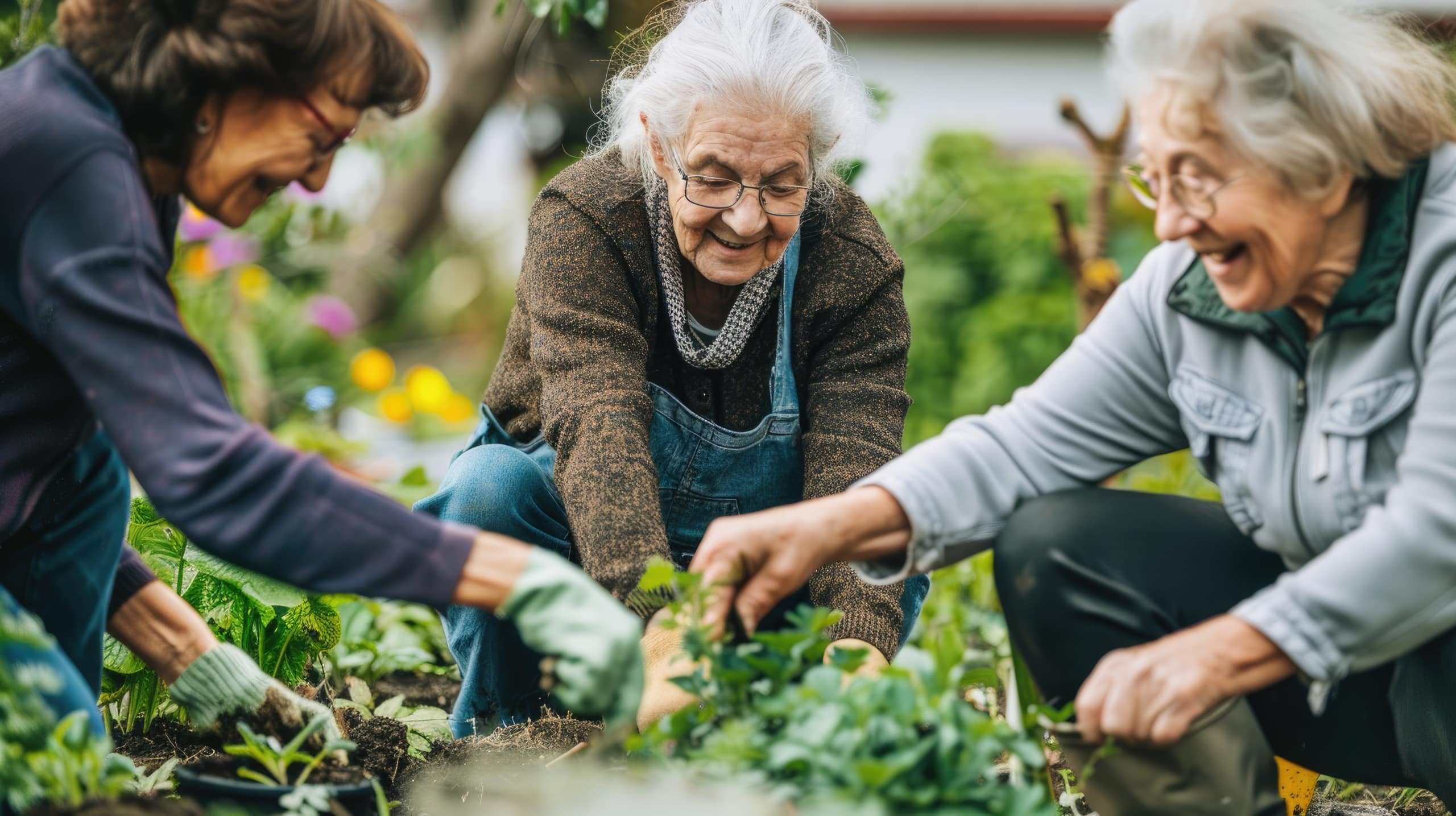
Many older adults express hesitation toward formal exercise programs, fearing injury or burnout. Gardening serves as a "sneaky" workout. The fine motor skills required to handle seeds or use a hand trowel help maintain hand dexterity and combat the stiffness associated with arthritis. The resistance provided by turning soil or pulling weeds acts as a form of functional strength training, helping to maintain bone density and muscle tone without the jarring impact of high-intensity sports.
Sunlight and Circadian Rhythms
Regular exposure to natural sunlight is essential for older adults. Beyond the synthesis of Vitamin D, which is crucial for bone health, exposure to natural light helps regulate circadian rhythms. This leads to improved sleep quality, which in turn reduces the risk of cognitive decline and improves mood stability.
Official Perspectives and Expert Implications
The implication of these findings is clear: if we want to improve the quality of life for our aging population, we must build environments that facilitate nature-based activity.
"We need to rethink our urban and residential planning," says a policy advisor from the Alliance for Aging Research. "A community center without a garden is a missed opportunity for clinical intervention. We are seeing a shift where healthcare providers, urban planners, and community organizers are working in tandem to create ‘blue and green zones’ that invite older adults to stay active and connected."
The National Institute on Aging (NIA) reinforces this, providing extensive resources on how to approach outdoor activity safely. For many, the barrier to gardening is fear of physical strain or safety concerns. However, the NIA emphasizes that with the right tools—such as raised garden beds that eliminate the need for kneeling, ergonomic tools that reduce wrist strain, and sun protection protocols—gardening is an activity that can be adapted for almost any mobility level.
A Call to Action for This Earth Day
This April 22, as the spring season reaches its crescendo, the message is simple: step outside. Whether you have access to a large backyard, a small balcony, or a community garden plot, the act of planting a seed is an act of defiance against the aging process.
It is a reminder that we are part of a larger ecosystem. To nurture a plant is to practice hope; it is an affirmation of the future. By pulling a weed or watering a sprout, we aren’t just tending to a garden—we are tending to our own well-being.
As we look toward the future of aging, let us prioritize the simple, profound wisdom of the earth. In a world that is increasingly digital and disconnected, the dirt remains real. It is the original therapy, and it is waiting for us.
For those interested in beginning their own horticultural journey, the National Institute on Aging provides comprehensive safety tips for outdoor recreation, ensuring that your time in the garden remains safe, sustainable, and satisfying.