










By Sydney Halleman
Published June 29, 2026
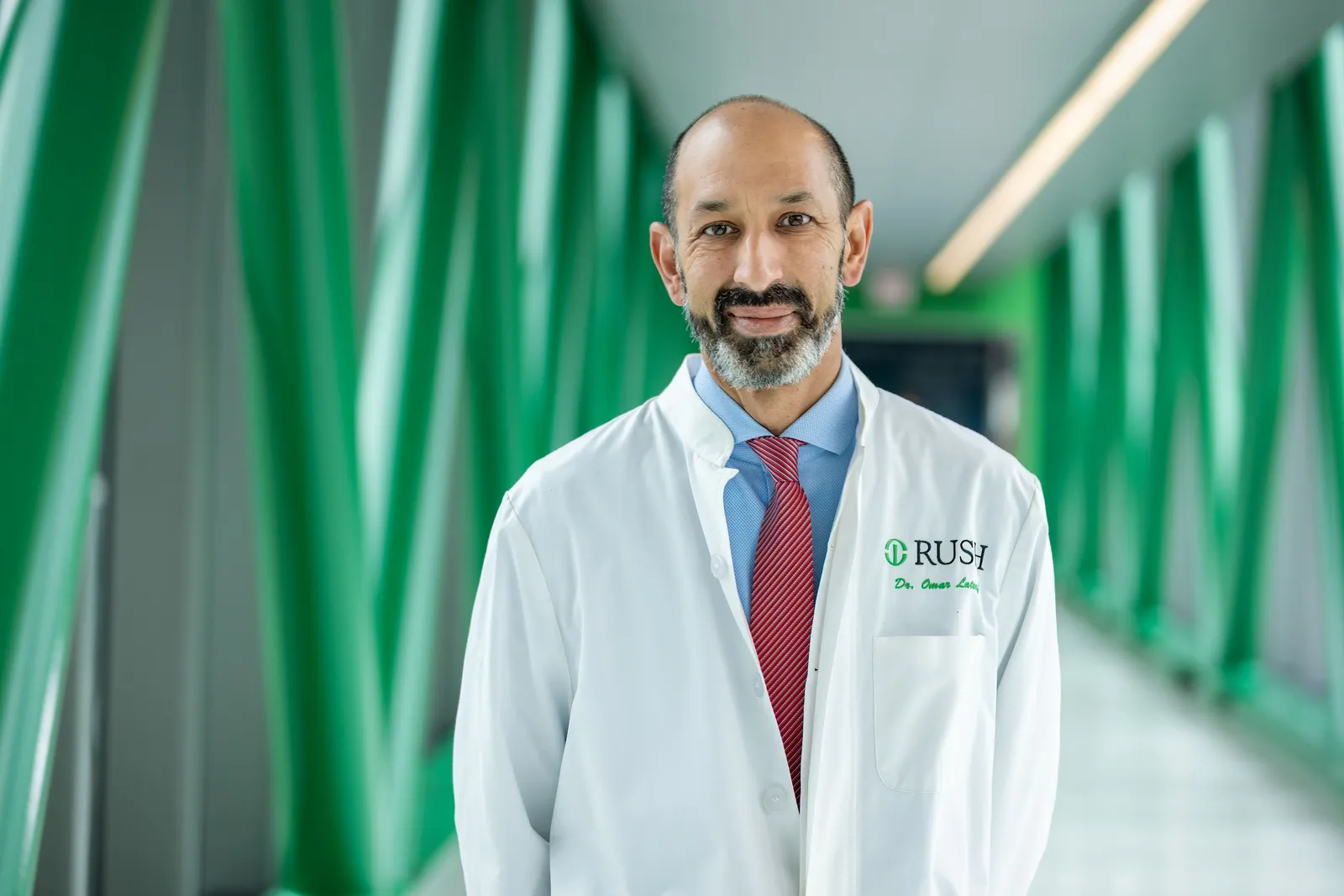
The Rush University System for Health (RUSH) announced a significant leadership transition this week, confirming that President and CEO Dr. Omar Lateef will step down from his post next year. The move marks the conclusion of a transformative era for one of Chicago’s most prominent academic health systems. To ensure continuity and operational stability, the system’s board has initiated a comprehensive national search for a successor, opting for a prolonged transition period that underscores the organization’s commitment to maintaining its current growth trajectory.
The Evolution of a Tenure: From Resident to Chief Executive
Dr. Lateef’s departure is not merely a change in the C-suite; it represents the end of a 25-year chapter at Rush. His connection to the institution is deep-seated, beginning in 2005 when he joined the health system as a resident in pulmonary and critical care medicine. Following the completion of his residency, he integrated into the faculty, rising through the ranks with a focus on clinical excellence and systemic improvement.
His ascent to the top leadership position was marked by a series of strategic promotions. By 2014, he had been named Chief Medical Officer, a role in which he oversaw the clinical operations of the academic medical system. In 2019, his leadership was further elevated when he was named CEO and President of Rush University Medical Center (RUMC). Three years later, in 2022, he assumed the role of CEO for the entire Rush University System for Health, consolidating leadership across its three primary hospital sites: RUMC in Chicago, Rush Oak Park Hospital in Oak Park, and Rush Copley Medical Center in Aurora.
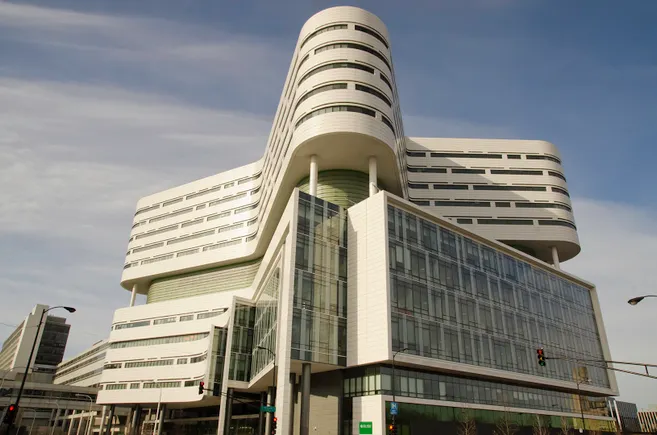
"For nearly 25 years, Rush has cared for me and my family as patients, colleagues, mentors and friends," Dr. Lateef stated in a press release accompanying the announcement. "Rush has given my family everything."
Chronology of Institutional Growth
Dr. Lateef’s tenure as a leader has coincided with a period of aggressive expansion and modernization for the Rush system. The following timeline outlines the key milestones of his leadership arc:
- 2005: Dr. Lateef begins his residency at Rush in pulmonary and critical care medicine, marking the start of a two-decade tenure.
- 2014: Appointed as Chief Medical Officer, signaling a transition into executive leadership and systems-level management.
- 2019: Promoted to President and CEO of Rush University Medical Center, taking command of the system’s flagship academic facility.
- 2022: Assumes the role of CEO for the entire Rush University System for Health, overseeing the integration of the Chicago, Oak Park, and Aurora campuses.
- 2026: Announces his decision to step down, initiating a transition phase to allow for a smooth leadership handover.
Supporting Data: Financial Health and Strategic Positioning
Rush University Medical Center remains a pillar of the Chicago healthcare landscape, currently ranked as the fifth-largest hospital provider in the metropolitan area. The system’s financial health has been a defining feature of the Lateef era. According to the most recent audited annual financial report, the system generated over $3 billion in revenue in 2024.
This robust financial performance has been underpinned by a deliberate strategy to shift toward outpatient care. Recent filings indicate that growth in oncology and infusion services has become a primary driver of patient service revenue. This shift aligns with broader industry trends, where health systems are increasingly relying on ambulatory services to mitigate the high costs associated with inpatient hospital stays.

Furthermore, the system’s expansion into suburban markets—specifically Oak Park and Lisle—has proven to be a masterstroke in terms of revenue diversification. Credit ratings agency Fitch recently highlighted that these suburban expansions have allowed the system to capture new patient demographics while benefiting from higher commercial reimbursement rates compared to traditional urban patient bases.
Strategic Implications: The Path Toward 2030
The transition in leadership comes at a pivotal moment for the health system. With a multi-year capital expenditure plan totaling approximately $1 billion through 2030, Rush is currently in the midst of a significant investment cycle. This capital is earmarked for:
- Ambulatory Expansion: Continuing the push into suburban hubs to capture market share and improve patient access.
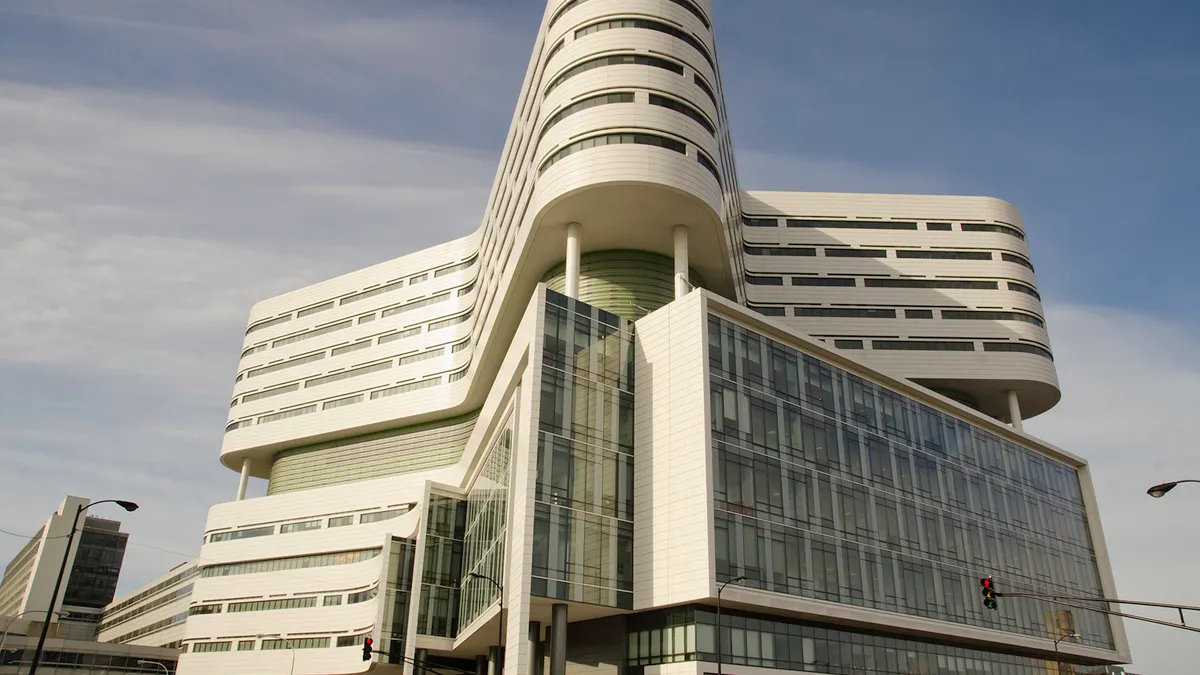
- Infrastructure Upgrades: Modernizing the RUMC campus to maintain its standing as a top-tier academic medical center.
- Digital Transformation: Heavy investment in technology and digital health platforms, designed to streamline patient intake, remote monitoring, and diagnostic accuracy.
The decision to execute a long transition period is, in the eyes of industry analysts, a protective measure to ensure these massive capital projects remain on schedule. By allowing for a deliberate handover, the Rush board of trustees is signaling to stakeholders, creditors, and the public that the strategic plan remains intact despite the change in personnel.
Official Responses and Governance
The Rush board has maintained a quiet but firm stance on the transition. While details regarding the search committee or potential internal candidates have not been publicly disclosed, the system has emphasized that the priority is "stability."

"Our focus remains on the mission," a spokesperson for the system noted. "Dr. Lateef has built a framework that allows for seamless continuity. We are looking for a leader who shares the vision of academic excellence combined with the operational rigor necessary to navigate the current healthcare environment."
Dr. Lateef’s departure also invites a broader conversation about the nature of physician-led health systems. As an MD who spent his career in the trenches of critical care, Lateef’s leadership style was often characterized as being deeply informed by patient outcomes. The challenge for the board will be to identify a successor who can balance the clinical culture that defines Rush with the hard-nosed financial management required to compete in the highly consolidated Chicago market.
The Future of the Rush Brand
As Rush moves toward the next decade, the legacy of the Lateef era will likely be judged by how well the system integrated its three disparate hospitals into a single, cohesive brand. By successfully expanding the footprint of Rush beyond the traditional RUMC campus, the system has transformed from a localized academic center into a regional powerhouse.
Whether the new CEO continues this aggressive expansion or pivots toward a period of consolidation remains to be seen. However, given the $1 billion in planned investments, it is clear that the path forward is already paved. The new leader will inherit a system that is not only financially stable but one that has successfully navigated the complexities of post-pandemic healthcare, labor shortages, and shifting reimbursement models.
As the search process begins, the medical community will be watching closely. For now, Dr. Lateef remains at the helm, overseeing the final stages of a transition that aims to ensure that when the torch is passed, the institution remains as stable and resilient as the patients it serves.