In a pivotal move for the cardiovascular medical device landscape, Johnson & Johnson (J&J) is aggressively accelerating the development and clinical validation of its Shockwave Medical assets. Following its massive $13.1 billion acquisition of the intravascular lithotripsy (IVL) pioneer in 2024, J&J is now working to transition the technology beyond its traditional coronary and peripheral artery strongholds. The primary objective: establishing IVL as a standard-of-care solution for carotid artery disease, a market currently dominated by complex surgical interventions.
This strategic pivot arrives at a critical juncture. As J&J seeks to solidify its position, the IVL market—which utilizes acoustic energy to fracture calcified plaque—is seeing a surge in competitive activity. Both Boston Scientific and Stryker have recently made significant acquisitions to challenge J&J’s dominance, turning the niche field of lithotripsy into a high-stakes battleground for medtech supremacy.
The Evolution of Intravascular Lithotripsy
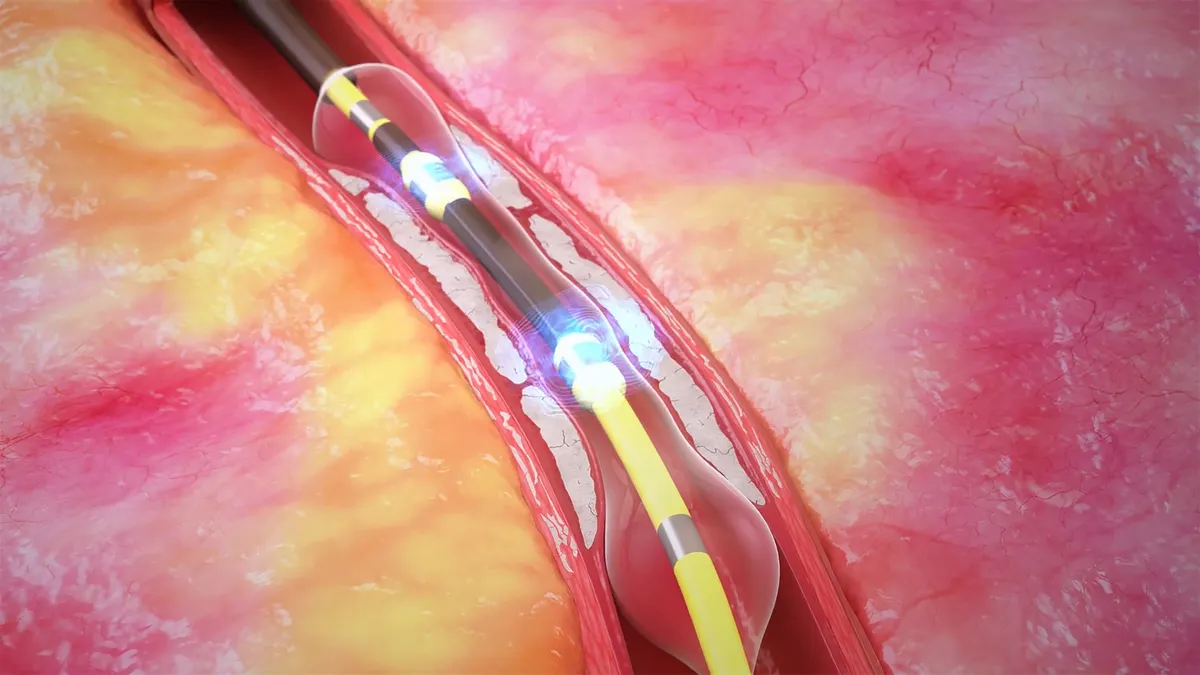
Intravascular lithotripsy represents a paradigm shift in how clinicians manage heavily calcified arterial blockages. Historically, calcified plaque has been the "Achilles’ heel" of interventional cardiology, often preventing the effective expansion of stents and increasing the risk of procedural complications.
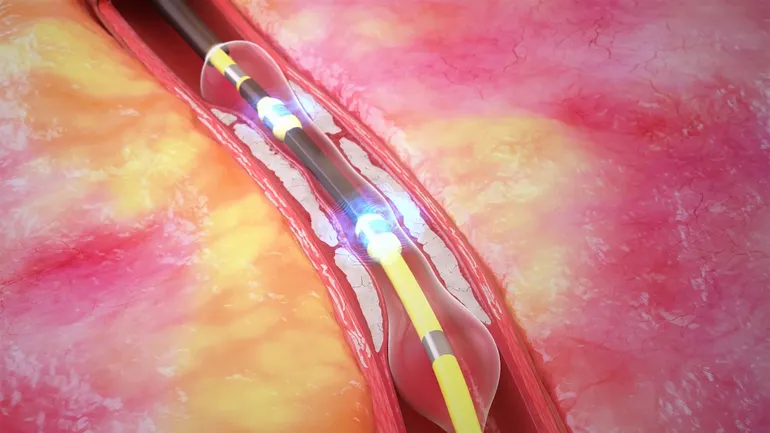
Shockwave’s proprietary technology delivers sonic pressure waves that safely crack hardened calcium within the vessel wall. By "breaking" the rigid structure of the plaque, the vessel becomes more compliant, allowing for the successful delivery and expansion of stents. While the technology proved transformative in treating heart and leg arteries, J&J’s current mission is to adapt this capability for the delicate carotid arteries—the vessels responsible for supplying blood to the brain.
Chronology: From Acquisition to Clinical Pivots
The journey to expand the Shockwave portfolio follows a clear, accelerated roadmap:
- 2024 (Q2): Johnson & Johnson completes the $13.1 billion acquisition of Shockwave Medical. The deal is framed as a long-term play to dominate the cardiovascular intervention market.
- Late 2024: J&J pivots resources toward "SkyRunner," a device optimized specifically for the anatomy of the carotid artery, featuring unique shaft lengths and sizing to accommodate transcarotid and transfemoral access.
- Late 2024/Early 2025: J&J initiates a pivotal dual-trial program to test the safety and efficacy of SkyRunner in high-risk patients.
- 2025 (Ongoing): Competition intensifies as Boston Scientific integrates its acquisition of Bolt Medical, and Stryker formally enters the space by acquiring Amplitude Vascular Systems.
The Clinical Imperative: Addressing Carotid Artery Disease
Carotid artery disease presents a unique clinical challenge. When plaque builds up in these vessels, the risk of ischemic stroke skyrockets. Current gold-standard treatments, such as carotid endarterectomy (a surgical procedure to manually clear the artery), are highly effective but invasive. They carry significant risks, particularly for patients with co-morbidities who are deemed "high risk" for traditional surgery.
"The medical community has been searching for less invasive, yet highly reliable ways to treat carotid disease," noted a lead investigator associated with the new trials. Physicians have long recognized the utility of IVL, frequently using Shockwave’s existing products in "off-label" capacities to prepare vessels before stenting. Recognizing this clinical demand, J&J’s development of the SkyRunner device is an attempt to standardize this practice with a tool specifically engineered for the unique pressures and anatomical constraints of the carotid system.
Supporting Data: The Pivotal Program
The clinical validation of the SkyRunner device rests on two major trials: one evaluating the transcarotid approach and the other the transfemoral approach.
Trial Methodology
Both trials are structured to enroll up to 160 patients, specifically targeting individuals at high risk for surgical complications. The primary endpoint is a composite assessment of major adverse cardiovascular events (MACE), including:
- Death
- Stroke
- Myocardial Infarction (Heart Attack)
Secondary endpoints provide a deeper look at the long-term viability of the procedure, including stent delivery success rates and the incidence of stroke up to 60 months post-procedure. While the federal database lists a primary completion date in late 2027, J&J intends to follow these patients through 2032. This long-term longitudinal data will be essential for convincing regulatory bodies and payors of the durability of IVL in carotid interventions.
Competitive Implications: A Market Under Siege
J&J’s push into new territories is not happening in a vacuum. The medical device industry has identified IVL as a high-growth sector, leading to a wave of consolidations.
Boston Scientific’s Aggressive Entry
Boston Scientific has signaled its intent to challenge J&J’s market share with its $664 million acquisition of Bolt Medical. The company recently published positive data regarding its own coronary IVL catheter, positioning itself to seek rapid regulatory approvals. By leveraging its existing global sales infrastructure, Boston Scientific aims to provide a direct alternative to J&J’s Shockwave offerings.
Stryker’s Strategic Expansion
Stryker’s acquisition of Amplitude Vascular Systems earlier this year was a clear indicator that the "lithotripsy gold rush" is far from over. Stryker, which has a massive footprint in neurovascular and peripheral intervention, is expected to integrate IVL into its broader procedural portfolios, potentially creating bundled offerings that could pressure J&J’s pricing power.
Implications for Patients and Physicians
For patients, the ongoing competition and innovation represent a potential shift toward less invasive, safer, and more effective interventions. If J&J’s SkyRunner successfully clears the regulatory hurdles, it could provide a "middle ground" for patients who are currently caught between risky surgery and suboptimal stenting.

For physicians, the primary concern remains the learning curve and the necessity for robust safety data. While acoustic energy is well-understood, its application in the carotid artery—where even minor debris displacement can lead to debilitating strokes—requires extreme precision. The outcome of the ongoing clinical trials will likely dictate how quickly cardiologists and vascular surgeons adopt these tools into their daily workflows.
The Road Ahead: J&J’s Long-Term Vision
Johnson & Johnson remains optimistic about its position. By focusing on vessel-specific engineering, J&J is betting that its specialized approach will outperform the "one-size-fits-all" devices that may emerge from competitors.
Furthermore, the company is looking beyond just carotid arteries. Plans to expand IVL usage into structural heart disease—potentially to address calcified heart valves—suggest that the $13.1 billion investment is intended to anchor a decade-long innovation cycle.
As the 2027 data readout approaches, the industry will be watching closely. Whether the carotid market becomes a multi-player field or remains a J&J-led territory will depend heavily on whether the SkyRunner trials can prove that acoustic lithotripsy is not only safe for the carotid but superior to the traditional surgical gold standards.
For now, the battle for the arteries is heating up. With three major industry giants—J&J, Boston Scientific, and Stryker—all vying for a slice of the IVL market, the ultimate winner will be the one that can best combine clinical efficacy with ease of use, ensuring that the next generation of cardiovascular care is as safe as it is transformative.