





As the human body traverses its fifth decade, physiological shifts become increasingly apparent—particularly around the midsection. Many individuals find that despite maintaining consistent dietary habits and baseline activity levels, they experience a stubborn "waist overhang." This phenomenon is rarely the result of a single lifestyle failure; rather, it is a complex byproduct of hormonal fluctuations, natural muscle atrophy (sarcopenia), and the cumulative effects of a sedentary modern lifestyle.
For those navigating the post-50 landscape, the traditional advice of "more cardio" often falls short. In fact, intense, high-impact exercise can sometimes exacerbate joint strain without adequately addressing the structural changes occurring in the abdominal wall. As a certified personal trainer with over 15 years of experience, I have observed that the most sustainable, effective results come from a shift in philosophy: prioritizing targeted muscle activation and core endurance over the pursuit of high-calorie burn.
The Physiology of the Midsection Post-50
To understand why waist overhang occurs, we must look at the structural changes occurring beneath the surface. After age 50, the body undergoes a natural decrease in muscle mass. When the core muscles—the transverse abdominis, obliques, and rectus abdominis—weaken, they lose their ability to act as a "natural corset" for the torso.
Simultaneously, the metabolic shift associated with menopause in women and general testosterone decline in men often leads to a redistribution of adipose tissue toward the visceral area. When the underlying musculature is not engaged, the posture slumps, the pelvis tilts, and the appearance of the waist changes significantly.
The Myth of Spot Reduction
It is a physiological truth that you cannot "spot reduce" fat. However, you can spot-tone the muscles beneath that tissue. By strengthening the core, you improve your posture, which immediately elongates the torso and creates a firmer appearance. Furthermore, a stronger core facilitates better movement in daily life, leading to higher levels of natural, non-exercise activity thermogenesis (NEAT).
Chronology of Change: Why Consistency Outperforms Intensity
The most common error I encounter with my clients is the "sporadic intensity" trap. This involves an individual attempting a grueling, hour-long gym workout once or twice a week, only to spend the remaining 166 hours of the week in a seated position.
- The Sedentary Baseline: Prolonged sitting "shuts off" the glutes and core, causing the hip flexors to tighten and pull on the lower spine.
- The Weakness Cycle: As the core becomes deconditioned, the body compensates by relying on the lower back, leading to stiffness and discomfort.
- The Intervention Phase: By introducing low-impact, seated core work, we interrupt this cycle.
- The Adaptation Phase: Over 4–8 weeks of consistent daily movement, the neuromuscular pathways "wake up." The brain begins to recruit these abdominal muscles during everyday tasks—like walking, reaching for an object, or rising from a chair.
The Strategy: 4 Chair Exercises for Core Transformation
Chair-based exercises are not just for those with limited mobility; they are a highly effective tool for isolating core muscles while minimizing the risk of strain. By removing the need for floor-based transitions, you remove the barriers to consistency.
1. Cross-Body Knee Lifts
The cross-body knee lift is a sophisticated movement that forces the obliques to act as stabilizers.
- The Science: When you lift your right knee to your left elbow, you are engaging in a rotational movement that requires the deep abdominal wall to fire to keep your spine stable.
- How to Execute: Sit upright on the edge of your chair, feet flat. Place your hands behind your head, elbows wide. Exhale as you lift your right knee toward your left elbow, twisting gently through the ribcage. Return to center and switch sides. Focus on the contraction of the side waist, not just the speed of the movement.
2. The Seated Oblique Crunch
Many traditional crunches put excessive pressure on the neck and lumbar spine. The seated version keeps the spine neutral while isolating the lateral musculature.
- The Science: The obliques are responsible for lateral flexion and rotation. By performing a controlled, slow crunch to the side while seated, you maintain a stable base while forcing the oblique fibers to shorten against gravity.
- How to Execute: Sit tall with your feet wider than hip-width. Extend your arms out to the sides in a "T" shape. Lean your torso to the right, reaching your right hand toward your ankle. Use your left oblique to pull yourself back to an upright position. Perform 10–12 repetitions per side.
3. The Seated Lean-Back Hold
Isometric holds—where the muscle works without changing length—are arguably the most effective way to build endurance in the deep transverse abdominis.
- The Science: Holding a position against gravity forces the entire abdominal cylinder to activate. This improves "postural tone," the ability of your muscles to hold you upright throughout the day without conscious effort.
- How to Execute: Sit at the front of your chair, leaning back until your upper back almost touches the backrest. Keep your chest open and your spine perfectly straight. Hold this "V" position for 20–30 seconds. To increase difficulty, hover your feet slightly off the floor.
4. Seated Torso Rotations
Rotation is a fundamental human movement pattern that we lose as we age. Restoring it is key to a functional, mobile midsection.
- The Science: This exercise addresses the "functional waist." It targets the internal and external obliques while promoting spinal health.
- How to Execute: Sit tall, holding a light weight or simply crossing your arms over your chest. Slowly rotate your upper torso to the right as far as comfortable, keeping your hips square to the chair. Hold for two seconds, then rotate to the left. Move with deliberate control; speed is your enemy here.
Supporting Data: The Impact of Core Stability
Clinical research consistently highlights that core stability training reduces the incidence of back pain in adults over 50. A study published in the Journal of Geriatric Physical Therapy noted that seniors who engaged in targeted core strengthening showed a 30% increase in balance and a significant reduction in abdominal girth measurements over a six-month period, largely due to improved pelvic alignment.
Furthermore, strengthening the muscles that support the spine reduces the "gut push" caused by anterior pelvic tilt—a common posture where the pelvis tips forward, causing the abdomen to protrude regardless of body fat percentage.
Official Perspectives and Implications
Fitness professionals and physical therapists alike are increasingly shifting away from the "six-pack" mentality toward a "functional core" model. The goal is no longer aesthetic perfection; it is the creation of a body that is resilient, mobile, and capable of supporting its own weight with ease.
The Holistic Implication
It is important to remember that these exercises work best as part of a comprehensive strategy.
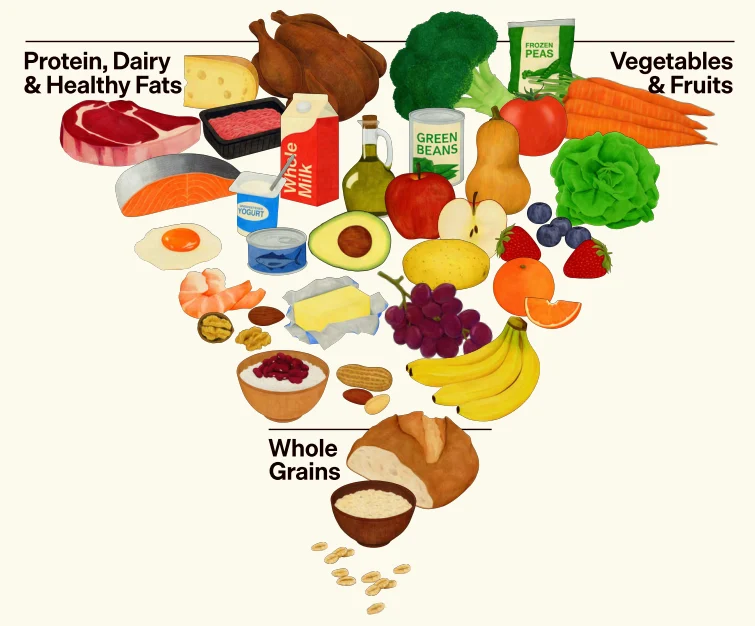
- Hydration and Nutrition: Muscle tissue requires adequate protein to recover and grow. Ensure your diet supports the repair process.
- Daily NEAT: The chair exercises are a foundation, but they must be supported by walking. Aim for 7,000–10,000 steps daily to maintain systemic metabolism.
- Mindful Movement: The efficacy of these exercises is directly tied to your mental focus. When performing a seated crunch, do not just "go through the motions." Visualize the muscle contracting and shortening.
Conclusion
The appearance of your waist after 50 is not a permanent state of decline, but rather a reflection of current muscle engagement patterns. By dedicating just 10–15 minutes a day to these chair-based movements, you can rebuild the internal support structure of your midsection. Consistency is the primary driver of change. Whether you are a fitness enthusiast or just beginning your wellness journey, these targeted exercises offer a safe, accessible, and highly effective path toward a stronger, more toned, and more functional version of yourself. Start today, focus on quality, and allow your body the time it needs to respond to the stimulus of consistent, intentional movement.