It was a casual conversation that revealed a profound psychological blind spot. My friend Anna, a sharp, high-powered attorney known for her ability to dismantle complex legal arguments, turned to me with a look of genuine accomplishment. “I just bought a new BPA-free Tupperware set,” she declared.
To an outsider, it seemed like a mundane domestic purchase. But knowing Anna was struggling to lose 15 pounds and feeling stuck in her wellness journey, the comment was a red flag. Despite her razor-sharp intellect, Anna had fallen into a common psychological trap: substituting "optimization" for "action."
The Anatomy of the Distraction
Anna’s pivot to specialized plasticware occurred immediately after she had confessed to me that she was failing at the gym, relying on takeout due to a lack of planning, and sacrificing sleep for hours of nocturnal "doom-scrolling." When I suggested the boring, unsexy solutions—consistency in training and meal prep—she dismissed them immediately.
"I’ve tried that a thousand times," she argued. "If it were that simple, it would have worked already."
This response is the hallmark of the "Magic Bullet" mentality. It is a psychological defense mechanism where we fixate on high-effort, low-impact niches—like microplastics in food containers—to avoid the high-impact, low-glamour habits that actually drive biological change. We convince ourselves that if we just find the right supplement, the right container, or the right "bio-hack," we can bypass the fundamental requirements of human biology.
Chronology of a Failed Routine
For many, the path to health follows a predictable, recurring timeline:
- The Motivation Spike: Fueled by frustration, an individual decides, "This is it. I’m changing everything."
- The Overhaul Phase: A rigid plan is constructed. It involves waking up at 5:00 AM, extreme caloric restriction, and high-intensity daily workouts.
- The Friction Point: Reality intervenes. A work deadline hits, a child gets sick, or the sheer exhaustion of the "perfect" plan sets in.
- The Search for Substitutes: As the primary plan falters, the individual searches for external tools—new gadgets, trendy supplements, or specialized kitchenware—to "fix" the lack of progress.
- The Cycle of Self-Blame: When these secondary hacks fail to yield weight loss, the individual concludes they have a character flaw rather than a flawed strategy.
Supporting Data: The 6 Percent Reality
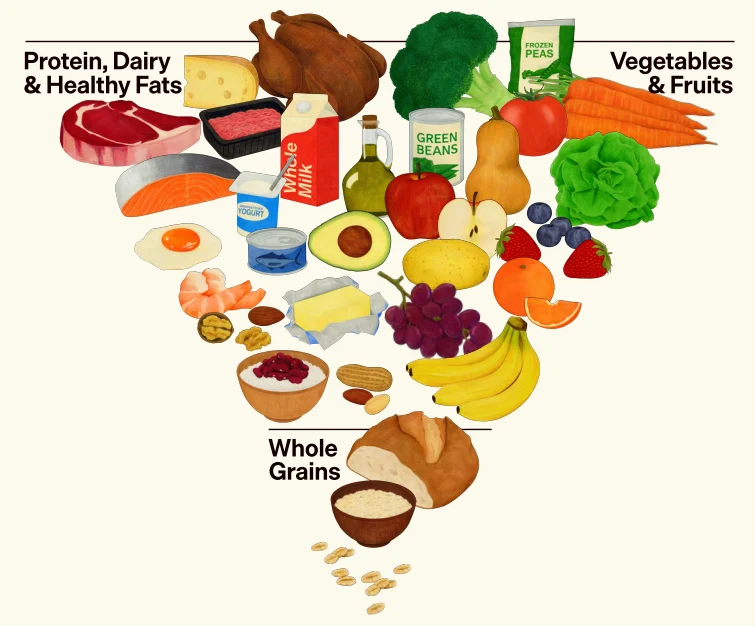
The scientific consensus on what constitutes "healthy" is remarkably consistent and boringly simple. According to research, five foundational pillars dictate the vast majority of our health outcomes: regular moderate-to-vigorous exercise, a diet rich in minimally processed foods, adequate protein intake, consistent sleep, and the avoidance of harmful substances like excessive alcohol and tobacco.
However, the data on execution is sobering. Only six percent of Americans adhere to all five of these basic health behaviors. This means that 94 percent of the population is failing to perform the very basics.
Yet, instead of focusing on these five pillars, we consume thousands of hours of content debating the nuances of intermittent fasting windows or the chemical composition of our food storage. We are collectively obsessing over the "1 percent" of health while ignoring the "90 percent" that actually moves the needle.
Barriers to Fundamental Change
Why do we avoid the basics? Coaches and psychologists have identified three primary psychological barriers.
1. Ambition Overload
When we feel stuck, we tend to overcompensate. We build a plan for a "future self" who possesses infinite time, energy, and discipline. We ignore our current reality—the busy job, the family demands, and the existing habits. By creating a plan that is impossible to maintain, we set ourselves up for the exact failure that confirms our negative self-talk.

2. The "Industry Secret" Fallacy
There is a pervasive belief that if simple habits like eating vegetables and sleeping eight hours worked, everyone would be fit. Because many people struggle with these, we assume there must be a "secret" we are missing. This is a cognitive error; the basics work, but they are difficult to sustain consistently in a modern, stressful environment. Chasing "cutting-edge" hacks is often a distraction from the unglamorous reality that health is a long-term commitment to mundane tasks.
3. The Perfectionism Trap
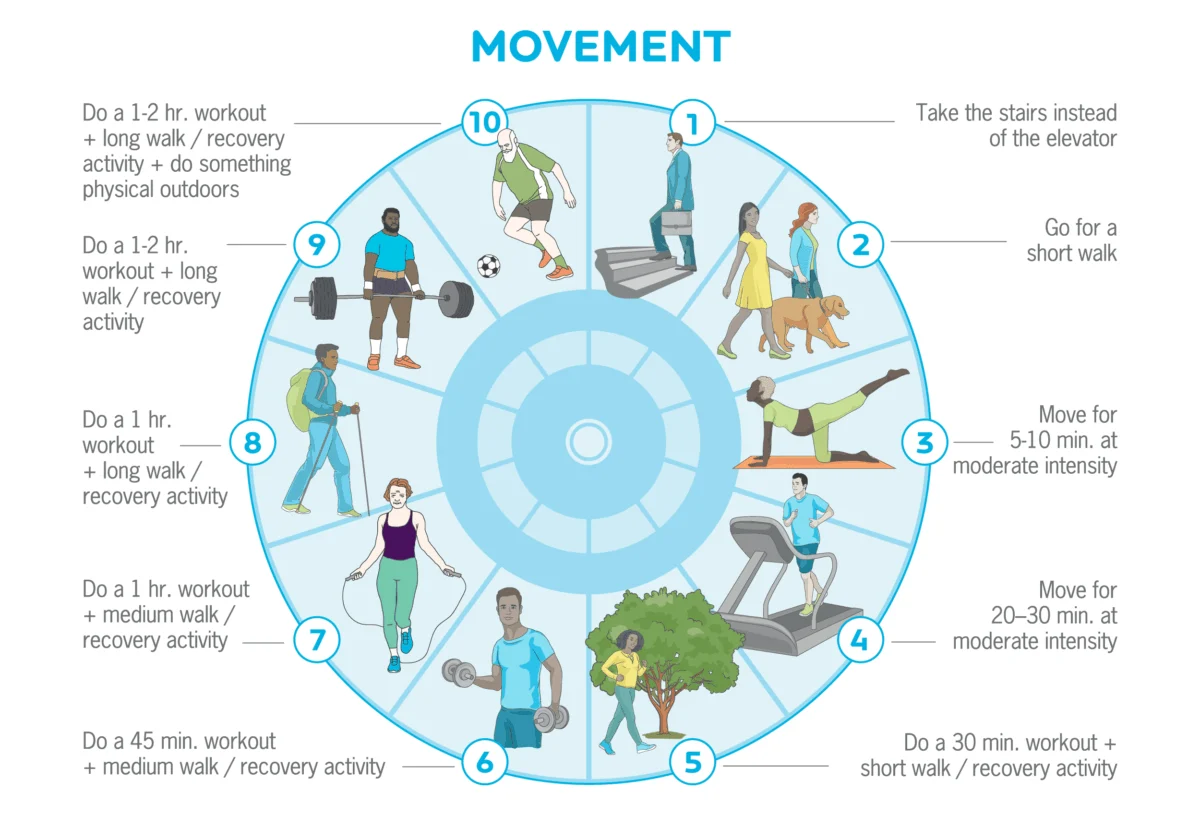
Many of us operate under the delusion that we must be "on" or "off." We treat health like a light switch. If we can’t be perfect—if we can’t hit the gym for 60 minutes or eat only organic meals—we assume we might as well do nothing. We lack the ability to "dial" our efforts up or down based on the day’s stressors.
Strategies for Sustainable Action
To break free from the cycle of distraction, one must adopt a more compassionate and realistic framework for health.
Step 1: The "Why" Before the "How"
Before purchasing a gadget or starting a new diet, interrogate the motive. Ask yourself, "What happens if I don’t change?" or "What is the primary obstacle to my consistency?" Using tools like "The 5 Whys" can help strip away the superficial desire for a quick fix and reveal the deeper, more sustainable motivation required for long-term change.
Step 2: Prioritize the Essentials
Focus only on the "Big Three": a movement practice, a nutrition practice, and a recovery practice. If your goal is weight loss, stop worrying about Tupperware and start tracking protein intake. Protein helps regulate appetite and maintains muscle mass, providing a higher return on investment than almost any other nutritional intervention.
Step 3: The "Pathetic" Goal
The secret to consistency is setting a goal so small it is nearly impossible to fail. If you struggle to go to the gym, set a "floor" of 10 minutes of walking. If you struggle with meal prep, set a "floor" of preparing one healthy meal per day. By defining a "floor" and a "ceiling," you allow your habits to adapt to your life, rather than forcing your life to fit your habits.
Step 4: Environmental Engineering
Willpower is a finite resource; environment is a constant. As recent research from Nature Reviews Psychology indicates, access is the number one influencer of behavior. If you want to eat better, make healthy food the easiest thing to reach. If you want to exercise, set out your clothes the night before. Build an ecosystem where the "right" choice is the path of least resistance.
Implications: Embracing the "C+" Effort
The most important shift for the modern individual is the transition from a "perfectionist" mindset to a "consistent" one. In school, a C+ is a mediocre grade. In the context of lifelong health, a C+ effort—consistently applied—is the difference between success and failure.
When you have a bad day, you don’t have to quit. You just turn the dial down. You don’t need to be perfect; you just need to be present. By letting go of the illusion that a magical tool or a "perfect" routine will save you, you finally gain the freedom to do the real, messy, and highly effective work of living a healthy life.
The Tupperware may be BPA-free, but it won’t change your physiology. Only your daily, consistent, and imperfect actions can do that. It is time to stop looking for the secret and start doing the basics.