For thousands of years, salt has served as the bedrock of human culinary history. From the ancient spice routes of the East to the modern industrial kitchen, sodium chloride has been prized as both a flavor enhancer and a vital preservative. Yet, in the 21st century, this ancient staple has become a double-edged sword. While the human body requires a certain amount of sodium to function—maintaining fluid balance and nerve transmission—the modern diet is drowning in it.
Excessive sodium intake is now a globally recognized health crisis, tied directly to the rising prevalence of hypertension, cardiovascular disease, chronic kidney failure, and even the accelerated decline of cognitive function. In response, the World Health Organization (WHO) has established a clear, urgent benchmark: adults should consume no more than five grams of salt per day—roughly equivalent to one teaspoon. Achieving this goal, however, remains elusive, as the saltshaker remains a permanent fixture on dining tables across the globe.
The Discretionary Salt Dilemma
While the vast majority of dietary sodium is hidden within processed and ultra-processed foods—pre-packaged meals, breads, sauces, and snacks—"discretionary" salt usage, or the habit of adding extra salt at the table, remains a significant contributor. Research indicates that this manual addition accounts for anywhere between 6% and 20% of an individual’s total daily sodium intake.
Despite the ubiquity of the saltshaker, public health experts have struggled to map the behavioral patterns behind this habit. Why do some individuals instinctively reach for the shaker while others do not? A groundbreaking study recently published in the journal Frontiers in Public Health has begun to peel back the layers of this behavior, specifically focusing on the older adult population in Brazil. By examining the interplay of gender, lifestyle, and dietary choices, researchers are finally identifying who is most likely to prioritize salt over health.
Chronology of a Study: Analyzing the Brazilian Demographic
To uncover the variables influencing salt-use, researchers from Rio de Janeiro State University analyzed a massive dataset collected between 2016 and 2017. The study involved more than 8,300 participants, all aged 60 or older. This demographic is particularly critical; as the global population ages, the burden of sodium-related chronic diseases on healthcare systems is expected to reach a breaking point.
The methodology was meticulous. Participants provided a 24-hour dietary recall, cataloging everything consumed, and explicitly reported whether they routinely added table salt to their meals. To create a holistic view of the participants’ lives, the team cross-referenced this data with demographic and lifestyle markers: sex, age, education level, household income, living arrangements (living alone versus with family), geographic location (urban vs. rural), and the frequency of fruit, vegetable, or ultra-processed food consumption.
Key Findings: A Gendered Divide
The data revealed a stark contrast in behavior between the sexes. Among the cohort, 12.7% of men reported regularly adding extra salt to their food, compared to 9.4% of women. However, the raw numbers tell only a fraction of the story. The factors that compelled men to reach for the salt were far narrower than those influencing women.
"Adding salt to food at the table remains a relatively common habit among Brazilian older adults and occurs more frequently among men than among women," explained Dr. Flávia Brito, the study’s first author and an associate professor at Rio de Janeiro State University.
Dr. Débora Santos, a co-author and titular professor at the same institution, added: "Women’s salt-adding behavior, however, was associated with a wider range of social and dietary characteristics than men’s."
Supporting Data: The Drivers of Consumption
The researchers found that for men, the motivations were surprisingly simple. Two factors stood out:
- Medical Management: Men who were already following a prescribed diet for high blood pressure were less than half as likely to add extra salt.
- Living Situation: Perhaps most tellingly, men living alone were 62% more likely to add salt to their meals than those living with others. This suggests that the presence of social oversight or a shared dining environment may act as a natural, informal deterrent against unhealthy habits.
For women, the behavioral landscape was significantly more complex and interconnected. Their habits were tied to broader lifestyle choices:
- Dietary Quality: Women who followed a hypertension-management diet were 68% less likely to add salt.
- Urbanization: Women living in urban areas were twice as likely to add salt compared to their rural counterparts, possibly due to the faster pace of life or easier access to processed, salt-heavy products.
- Processed Foods: There was a direct correlation between the consumption of ultra-processed foods and the use of the saltshaker, suggesting a "compounding effect" where salt-heavy food is made even saltier.
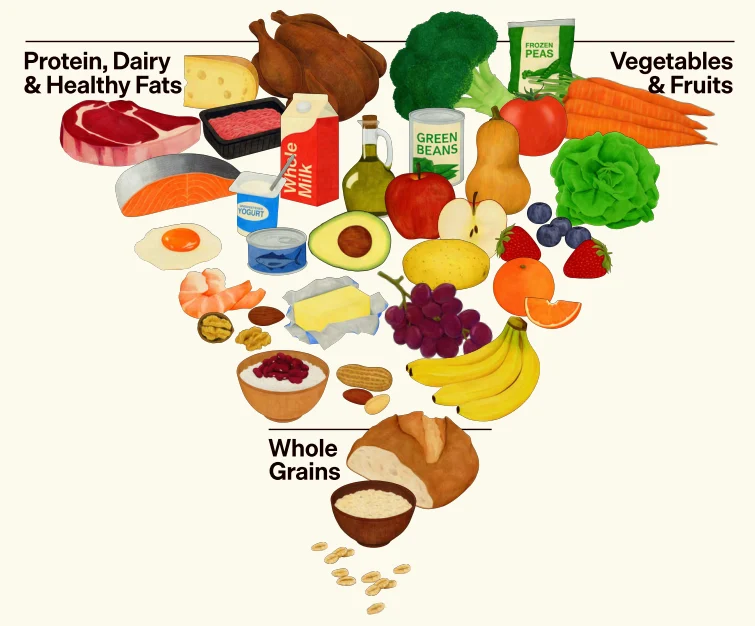
- The Protective Power of Produce: Conversely, women who frequently consumed fruits were 81% less likely to add salt, and those who ate vegetables were 40% less likely to do so. Researchers believe this reflects an overall "health-conscious" mindset where individuals who invest in whole foods are also more likely to be mindful of seasoning.
Official Responses and Expert Interpretation
The research team is careful to note that their findings do not establish a definitive cause-and-effect relationship. Because the study relied on self-reported data, there is a margin of error regarding memory and honesty. Furthermore, the survey was conducted several years ago, and dietary habits may have shifted in the interim.
However, the implications for public health are profound. The researchers argue that we cannot simply tell people to "stop using salt" and expect success. Because the drivers of the habit are so deeply ingrained in lifestyle, gender, and social circumstances, the solution must be equally nuanced.
"The researchers pointed to the need for lower sodium levels in industrialized and ultra-processed foods, which are major contributors to excessive salt intake," the report notes. While individual choices matter, the burden of salt reduction must also fall on food manufacturers to reformulate products.
Implications for Future Health Policy
The study concludes that "one-size-fits-all" public health campaigns are likely to fail. Instead, policymakers should look at the gender-specific data to create targeted interventions:
- Social Interventions for Men: Since men living alone are significantly more likely to use extra salt, community programs that encourage shared meals or cooking classes for older men could be highly effective.
- Education for Urban Women: Campaigns targeting urban populations, emphasizing the "hidden" salt in ultra-processed foods, could help curb the habit for women who are already predisposed to more complex dietary patterns.
- Culinary Literacy: The researchers suggest a shift in the kitchen. By promoting the use of herbs, spices, and the acidity of citrus fruits, individuals can maintain the palatability of their meals without relying on sodium.
"Practical strategies, such as avoiding the routine placement of saltshakers on the table, may also help reduce habitual salt use," Dr. Santos noted.
Ultimately, the saltshaker is more than just a culinary tool; it is a behavioral anchor. By understanding the social, demographic, and dietary cues that prompt us to add "just a little more" salt, health professionals can develop more effective strategies to help the aging population—and society at large—lower their risk of chronic disease. The goal is not to strip the joy from eating, but to replace the routine of the saltshaker with a more mindful approach to flavor, one that prioritizes long-term health over the momentary satisfaction of a salty palate.
As we look toward the future of nutrition, the lessons from this study are clear: to change our health, we must first change our habits, and to change our habits, we must first understand the invisible forces that drive them.