





The landscape of women’s health is currently undergoing a long-overdue reckoning. For decades, medical research has been characterized by a systemic exclusion of women—particularly those in the midlife and post-reproductive stages—due to outdated scientific biases regarding hormonal variability. Today, a new wave of telehealth-driven innovation is attempting to correct this trajectory.
At the forefront of this shift is Winona, a specialized menopause telehealth company that recently announced the launch of the Winona Research Initiative. The project aims to provide critical funding and mentorship to medical scholars, residents, and early-career physicians, fostering a new generation of researchers committed to dismantling the stigma and information gaps surrounding menopause and midlife health.
The Genesis of the Initiative: A Response to Systemic Neglect
The establishment of the Winona Research Initiative is not merely a corporate philanthropic gesture; it is a direct response to the "clinical void" that many women experience during their transition into midlife.
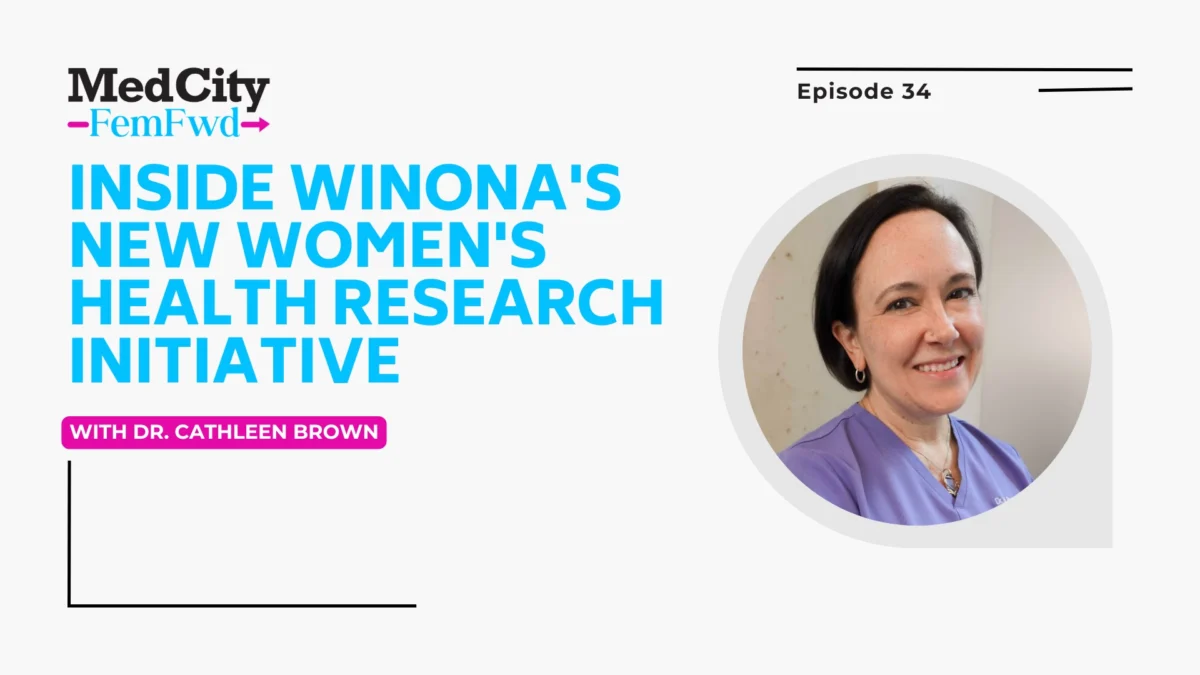
Dr. Cathleen Brown, a board-certified OBGYN and the medical director at Winona, notes that her journey to the company was personal. After navigating her own challenging transition into perimenopause, she discovered that the medical establishment was largely unequipped to offer her the support she needed.
"I was told I was too young, that it wasn’t time yet, and that I needed to wait until I was suffering more before I got treatment," Dr. Brown shared on a recent episode of the MedCity FemFwd podcast. This sentiment—a dismissal of symptoms as a "natural, inevitable process"—remains a recurring theme in the patient stories that pass through Winona’s digital doors.
The company, which began operations during the Covid-19 pandemic, identified that the telehealth model provided a unique opportunity to scale access to specialized care that was otherwise absent in traditional brick-and-mortar settings. The research initiative is the logical evolution of this mission: if the data does not exist to support effective, evidence-based care, the company will facilitate the creation of that data itself.
Chronology: From the Women’s Health Initiative to Modern Advocacy
To understand the necessity of the Winona Research Initiative, one must examine the historical context of hormone replacement therapy (HRT).
- The Early 2000s: The release of the Women’s Health Initiative (WHI) study results sent shockwaves through the global medical community. The findings, which were interpreted by mainstream media as a blanket warning against the dangers of hormone therapy, led to a widespread, reflexive cessation of HRT prescriptions.
- The "Dark Ages" of Menopause Care: In the years following the WHI, fear dictated medical practice. Medical education curricula were stripped of robust training on menopause management. As Dr. Brown recalls, residents were often explicitly taught that while they needed to learn about HRT for board examinations, it was a treatment they would "never actually use."
- The Current Era: We are now in the midst of a "patient-led" revolution. Women aged 40 and older, armed with information and digital access, are demanding better quality of life and evidence-based treatments.
- 2021–Present: Since its inception in 2021, Winona has accumulated a vast database of patient outcomes. The company is now leveraging these findings to advocate for systemic change in medical school and residency curricula.
Supporting Data: What the "State of Menopause" Reveals
Winona’s internal data collection, which served as the foundation for a recent white paper on the state of menopause today, highlights the staggering burden placed on midlife women.
Key findings from their patient base include:
- Multifactorial Symptom Burdens: Patients seeking care through the platform report an average of nine or more concurrent symptoms. This includes not only the well-documented hot flashes and night sweats but also significant cognitive and systemic issues like brain fog, extreme fatigue, weight gain, and energy loss.
- The "One-Year Gap": On average, women suffer from disruptive symptoms for at least one to three years before finding a provider who is willing or capable of offering adequate treatment.
- Diagnostic Barriers: Many patients report visiting multiple physicians before receiving the care they need, reinforcing the idea that the current medical system is poorly optimized for the needs of the aging female population.
These data points serve as a powerful catalyst for the Winona Research Initiative, which seeks to turn these clinical observations into peer-reviewed, actionable research that can change national healthcare practices.
Official Perspectives: The Role of Mentorship and Funding
The Winona Research Initiative is designed to be a catalyst for early-stage investigators. According to Dr. Brown, the program is currently in its nascent phases, actively soliciting applications from medical students, residents, and early-career physicians.
"We are looking for scholars who have a project in mind, have a hypothesis they are working on, and just need the financial backing to get that process moving," Dr. Brown explained. The support is not limited to funding; it includes mentorship, which is vital for ensuring that research reaches the standard of quality necessary for presentation at major scientific meetings.
The program is funded directly from the company’s profits, highlighting a commitment to reinvesting in the ecosystem of women’s health. By focusing on peer-reviewed research, Winona aims to create a pipeline of clinical evidence that can influence medical school curricula, ensuring that future generations of doctors are not left with the same gaps in knowledge that their predecessors faced.
Implications: A Dual-Track Approach to Healthcare
The implications of this initiative extend far beyond the research papers that will eventually be published. The core argument being made by leaders in the field is that the future of women’s health must be a hybrid model.
1. The Necessity of Collaboration
Dr. Brown is quick to emphasize that while telemedicine is a powerful tool for bridging the "access gap," it cannot—and should not—replace in-person care. "We can’t examine you through the computer," she notes. The future of healthcare for women in midlife involves a symbiotic relationship where telehealth handles the specialized, time-intensive management of hormonal care, while traditional, in-person providers continue to handle essential well-woman services, such as pelvic exams, breast screenings, and Pap smears.
2. The Power of the "Squeaky Wheel"
The most profound implication of this initiative is the empowerment of the patient. By providing more data and better education, the initiative aims to turn women into informed advocates for their own health. As consumers continue to "vote with their feet" by moving away from practitioners who are uncomfortable discussing menopause, the market will inevitably force a shift in medical education.
3. Institutional Change
Ultimately, the goal is to shift the medical pendulum. By funding research, Winona hopes to generate enough clinical evidence to force menopause care back into the mainstream of medical training. If health systems recognize that a significant portion of their patient demographic is suffering from undermanaged midlife symptoms, the demand for trained specialists will increase, leading to a broader integration of menopause care across family medicine, internal medicine, and gynecology.
Conclusion: A New Standard for Midlife
The Winona Research Initiative represents a pivotal moment in women’s health. By marrying the convenience and reach of modern technology with the rigor of academic research, the company is attempting to rewrite the script on the menopause experience.
For the millions of women currently navigating the "suffering" that has long been accepted as the status quo, the promise of this initiative is simple: it is no longer enough to just endure. Through the funding of scholars, the dissemination of data, and the relentless advocacy for better medical training, the initiative is working toward a future where midlife is not a period of decline, but a phase of life supported by evidence, expertise, and empathy. As the medical community begins to listen to the "squeaky wheels" of the current patient population, the promise of systemic change feels more achievable than ever before.