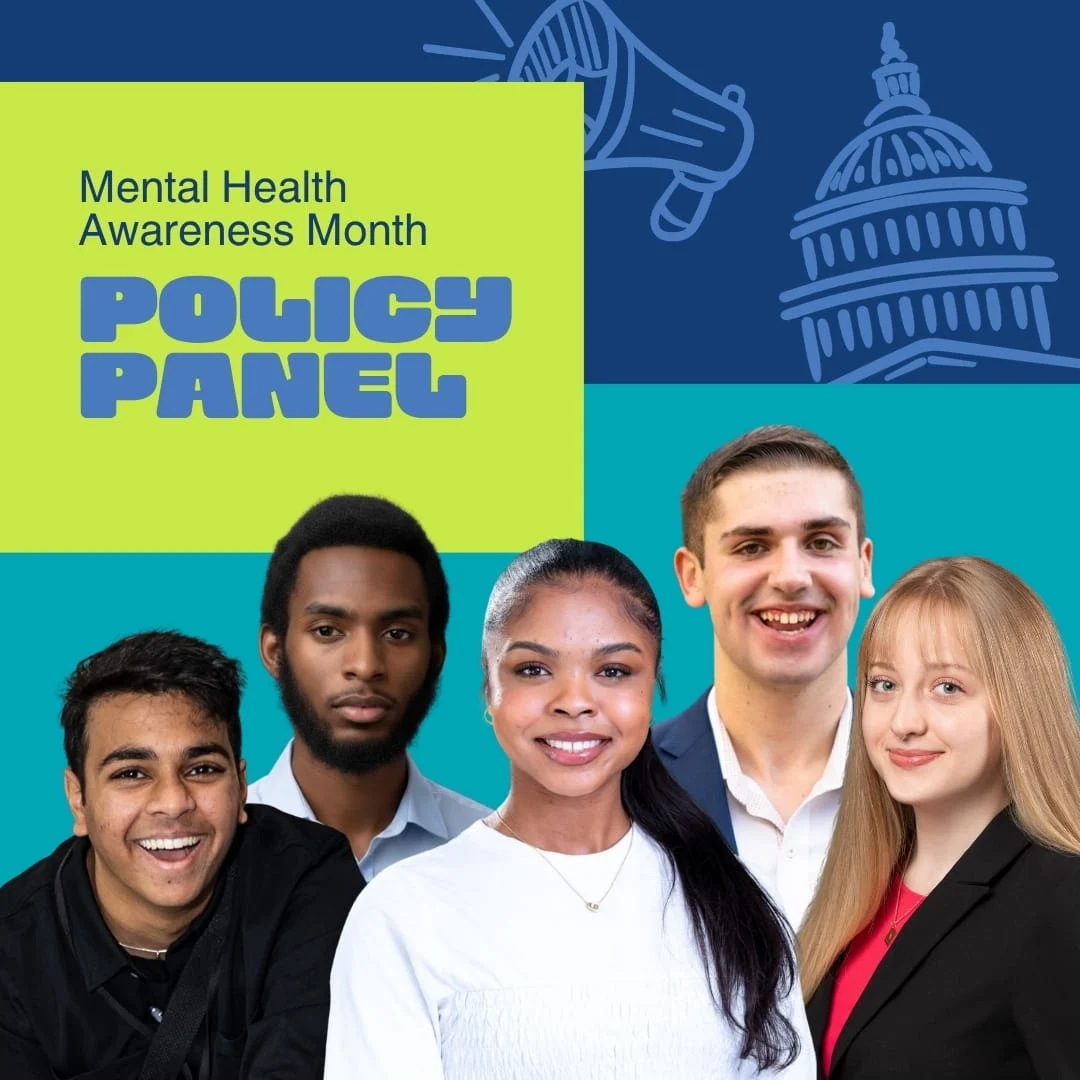
WASHINGTON, D.C. — In a landmark move for national mental health advocacy, Active Minds, the country’s premier nonprofit organization dedicated to mobilizing youth and young adults, has secured the introduction of the Campus Lifeline Act. This federal legislation represents a historic milestone: it is the first-ever bill authored by Active Minds to be introduced in the United States Congress. Designed to address the escalating youth mental health crisis, the act seeks to bridge the gap between students in distress and the life-saving resources they require, specifically by mandating the inclusion of the 988 Suicide & Crisis Lifeline on student identification cards.
As the nation grapples with a mental health landscape where suicide remains a leading cause of death for young people, the Campus Lifeline Act emerges not merely as a policy proposal, but as a systemic intervention aimed at making mental health support as visible and accessible as physical health resources.
I. Main Facts: A Bipartisan Response to a National Emergency
The Campus Lifeline Act (H.B. 8657) was formally introduced on May 4, 2024, during Mental Health Awareness Month. The bill is led by a bipartisan coalition of lawmakers, including Representatives Erin Houchin (R-IN), Lori Trahan (D-MA), David Valadao (R-CA), and Mark Pocan (D-WI). This cross-aisle collaboration underscores the universality of the mental health crisis, which transcends geographic and political boundaries.
Core Provisions of the Bill
The legislation focuses on two primary pillars of intervention:
- Immediate Resource Visibility: Requiring that all newly issued student identification cards at institutions of higher education include the 988 Suicide & Crisis Lifeline. This ensures that a student in crisis has a direct link to professional help literally in their pocket at all times.
- Federal Investment in Youth-Informed Strategies: Increasing federal funding and support for mental health strategies that are designed with direct input from youth. This moves away from "top-down" approaches and prioritizes peer-led and prevention-focused initiatives on college campuses.
The Role of Active Minds
Active Minds has spent over two decades transforming the conversation around mental health. By authoring this bill, the organization is shifting from a role of cultural influence to one of legislative architecture. The act is the culmination of years of grassroots organizing, proving that student advocacy can successfully reach the highest levels of the federal government.
II. Chronology: From a Student Idea to the Halls of Congress
The journey of the Campus Lifeline Act is a testament to the power of persistent, long-term advocacy. Its origins can be traced back a decade to a local initiative that eventually gained national momentum.
The University of Dayton Spark (2014)
Ten years ago, members of the Active Minds chapter at the University of Dayton proposed a simple but radical idea: putting crisis numbers on the back of student IDs. The students recognized that during a moment of psychological distress, a person might not have the presence of mind to search the internet for a phone number. Having the number on a card they already carry—for dining, library access, and dorm entry—removed a critical barrier to care.
The 988 Revolution (2022)
The landscape of crisis intervention changed significantly in July 2022 with the nationwide launch of the 988 Suicide & Crisis Lifeline. Replacing the ten-digit National Suicide Prevention Lifeline, the three-digit 988 number was designed to be as easy to remember as 911. Its implementation provided the necessary infrastructure for the Campus Lifeline Act to become a viable federal mandate.
Legislative Drafting and Introduction (2023–2024)
Following the success of 988, Active Minds began formalizing the "988 on IDs" initiative into a federal legislative framework. Working with policy experts and bipartisan congressional offices, they crafted a bill that not only addressed resource visibility but also sought to reform how campuses receive federal mental health funding. The introduction on May 4, 2024, coincided with Youth Mental Health Awareness Week, providing a platform for a congressional briefing titled “Advancing 988 and Peer Support: Youth Voices Take the Lead on Capitol Hill.”
III. Supporting Data: The Quantitative Reality of the Crisis
To understand the necessity of the Campus Lifeline Act, one must examine the staggering data surrounding youth mental health in the United States.
The "988 Effect"
According to a recent study published in JAMA (Journal of the American Medical Association), there has been an estimated 11% decline in youth suicide deaths following the introduction of the 988 Lifeline. This represents thousands of lives saved. The study highlights that the visibility of the number is a direct contributor to its efficacy; when young people know where to turn, they are more likely to seek help before a crisis escalates.
Prevalence and the Treatment Gap
- Diagnosable Conditions: One in three youth currently lives with a diagnosable mental health condition. Crucially, 75% of these conditions emerge by age 24, making the college years a high-stakes window for intervention.
- The Treatment Gap: Despite high awareness, 67% of young adults with mental health symptoms do not receive treatment. Furthermore, fewer than 20% of youth with diagnosable conditions are supported by formal systems.
- Mortality: The Centers for Disease Control and Prevention (CDC) reports that suicide is the second leading cause of death among youth ages 10–34 in the U.S. Globally, it is the third leading cause of death for individuals ages 15–29.
The "Friend-First" Phenomenon
Data from Active Minds and the Healthy Minds Study reveals a critical disconnect in how support is delivered. Approximately 67% of youth say they would turn to a friend first when struggling. This effectively makes students the "de facto" mental health system on campuses. However, nearly 70% of these same students report that they do not feel equipped or trained to help their peers. The Campus Lifeline Act aims to provide the tools to bridge this gap.
IV. Official Responses: Voices from Leadership
The introduction of the bill has drawn strong statements from both legislators and mental health advocates, emphasizing a shared commitment to proactive care.
Representative Erin Houchin (R-IN):
"We have a responsibility to make sure young people know where to turn in a moment of crisis. This bill promotes early intervention, student engagement, and life-saving mental health resources. It’s our goal to make sure every young person knows help is available."
Congresswoman Lori Trahan (D-MA):
"Every young person deserves access to compassionate, lifesaving mental health care when they need it most. By leveraging the reach of the 988 Suicide & Crisis Lifeline, we can connect more teens and young adults with the support they need and reach more young people before a crisis becomes a tragedy."
Alison Malmon, Founder and Executive Director of Active Minds:
"Youth and young adults are championing a new era of mental health on the front lines, yet our system still waits for crisis. That’s why policies like the Campus Lifeline Act matter—they reflect solutions youth and young adults are already designing and leading."
Anika Rahman, Director of Policy at Active Minds:
"Youth-informed policy is not only powerful, it’s necessary. What began as a youth-led initiative to place 988 on the back of student ID cards has now grown into federal legislation with the potential to create nationwide change."
V. Implications: Shifting from Reactive to Proactive Systems
The passage of the Campus Lifeline Act would signal a fundamental shift in the American approach to mental health, moving from a reactive "crisis-only" model to a proactive, systemic framework.
Normalization and Destigmatization
By placing the 988 number on every student ID, the act treats mental health resources as a standard utility, similar to campus security or health services. This constant presence helps to erode the stigma that often prevents students from seeking help. When the resource is always visible, the message is clear: struggling is common, and help is a right, not a privilege.
The "We Mind" Campaign
In tandem with the bill’s introduction, Active Minds is launching "We Mind," a national campaign designed to amplify the message that when youth unite, they cannot be ignored. This campaign aims to mobilize students across the country to advocate for the bill’s passage and to implement similar peer-support structures on their own campuses.
Empowering Peer Support
Recognizing that students are the first responders in their social circles, the bill’s focus on youth-informed strategies suggests a future where peer-to-peer mental health training is as common as CPR training. By equipping the 70% of students who currently feel "unequipped" to help their friends, the legislation builds a more resilient campus community.
Long-term Systemic Change
While federal appropriations have previously directed funds toward mental health, those funds are often temporary or tied to specific, short-term programs. The Campus Lifeline Act seeks to build mental health awareness into the very "foundation" of campus life. It ensures that the support system is not a temporary fix but a permanent fixture of the educational environment.
Conclusion
The Campus Lifeline Act represents a pivotal moment in the youth mental health movement. It proves that the most effective policies are not those decided behind closed doors by distant officials, but those informed by the lived experiences of the people they are meant to serve. As the bill moves through the legislative process, it carries with it the hopes of a generation that is no longer content to wait for the system to change—they are changing it themselves.
To learn more about the Campus Lifeline Act and how to support youth-led mental health initiatives, visit activeminds.org.