







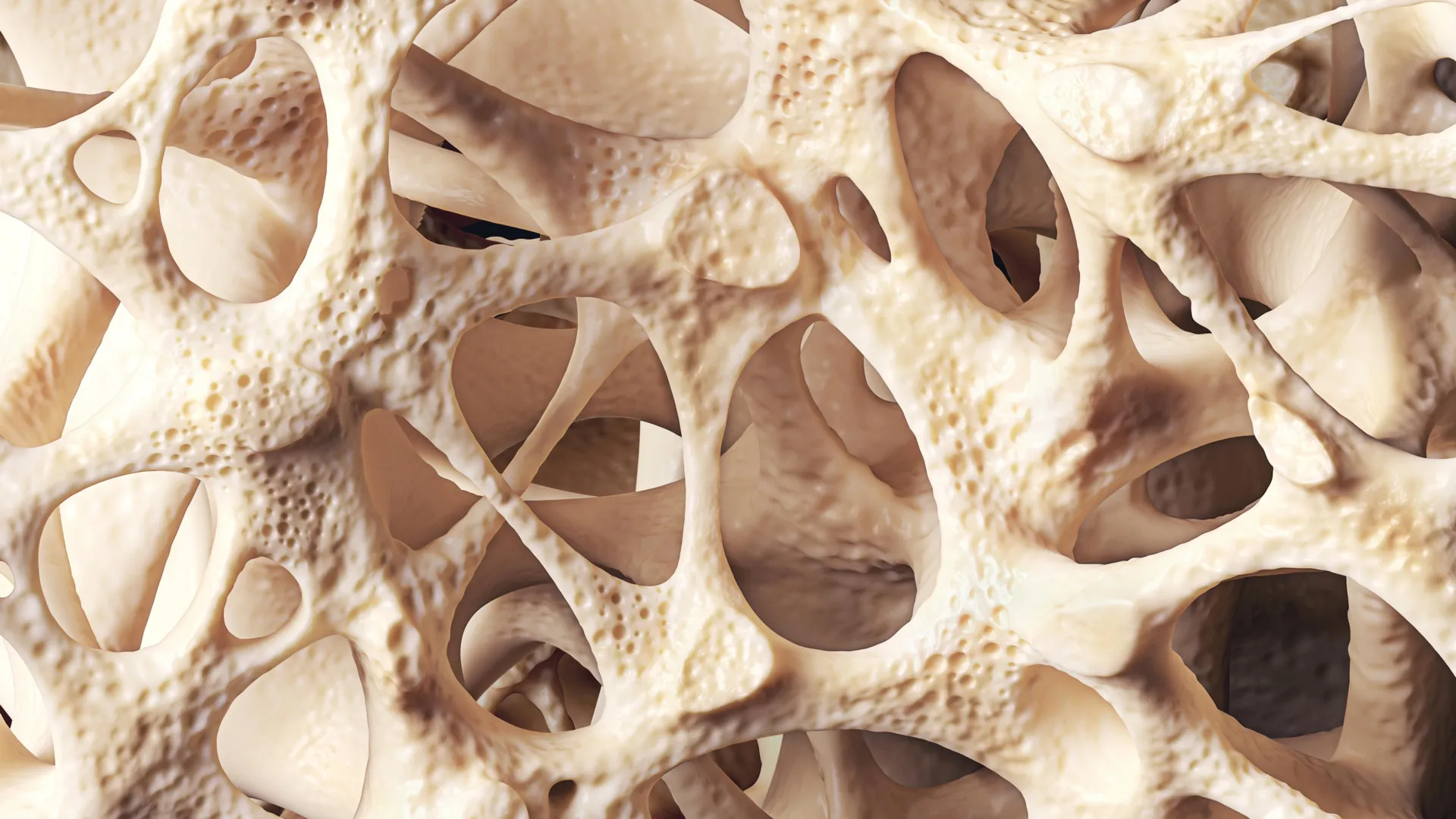
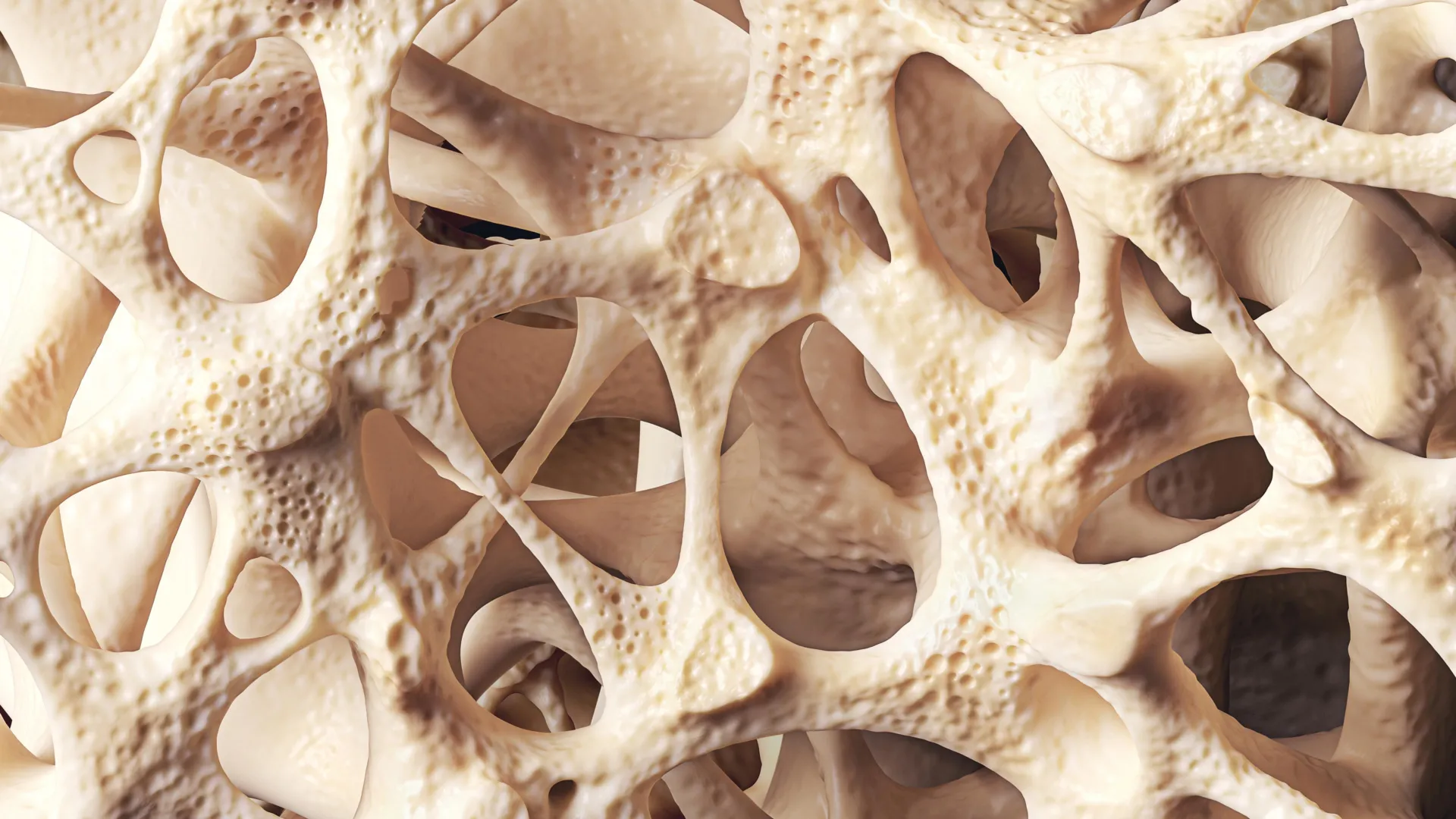
In the landscape of modern public health, few conditions are as pervasive—yet as notoriously invisible—as osteopenia. Affecting approximately 40% of the global adult population, this condition represents a significant reduction in bone mineral density (BMD) that falls below the threshold of normal health but has not yet reached the critical stage of osteoporosis. Often described by clinicians as a "silent thief," osteopenia strips the skeletal system of its structural integrity without the fanfare of symptoms, leaving millions of individuals vulnerable to life-altering fragility fractures.
As life expectancy continues to rise, the burden of low bone density on healthcare systems is intensifying. In the United Kingdom alone, it is estimated that more than 500,000 fractures occur annually due to compromised bone health. By shifting the focus from treating the consequences of bone loss to proactive, early-stage management, the medical community aims to rewrite the narrative for aging populations worldwide.
The Biological Foundation: How Bone Remodeling Works
To understand osteopenia, one must first understand the remarkable, dynamic nature of the human skeleton. Bone is not a static structure; it is a living tissue that undergoes constant renewal through a physiological process known as bone remodeling.
This process is a lifelong "tug-of-war" between two primary cellular players: osteoclasts, which break down old or damaged bone tissue (resorption), and osteoblasts, which synthesize new bone matrix (formation). In a healthy adult, this cycle is tightly coupled and balanced.
The Chronology of Bone Health
- Childhood and Adolescence: The body builds bone mass at a rapid rate, significantly outpacing the rate of breakdown.
- The Peak Years: Bone mass typically reaches its zenith—the "peak bone mass"—in a person’s mid-20s to early 30s. This period acts as the "savings account" for the skeletal system; the higher the peak, the better protected an individual is against future decline.
- The Shift: After this peak, the biological balance begins to tilt. Bone resorption gradually begins to exceed bone formation. This is a natural, age-related phenomenon, but in cases of osteopenia, this decline is accelerated by genetic, hormonal, or lifestyle factors.
Identifying the Invisible: Risk Factors and Detection
Because osteopenia produces no overt symptoms—no pain, no swelling, no early warning signs—most people remain entirely unaware of their condition until a bone breaks under minor stress. This makes screening, particularly for high-risk demographics, a cornerstone of preventive medicine.
The Menopause Connection
Hormonal shifts are among the most powerful drivers of bone loss. Estrogen, a hormone that plays a protective role in the skeletal system by inhibiting the activity of bone-resorbing cells, declines sharply after the menopause. This loss of hormonal "protection" leads to a rapid acceleration in bone turnover. Statistical data remains sobering: approximately one in two women over the age of 50 will experience a fragility fracture in their lifetime, a direct consequence of the rapid loss of density that follows the menopausal transition.
Lifestyle and Chronic Health Variables
Beyond biology, lifestyle choices act as powerful modifiers of bone health:
- Dietary Deficiencies: Insufficient intake of calcium, the primary building block of bone, and vitamin D, which facilitates calcium absorption, can leave the skeleton starved of resources.
- Habitual Stressors: Chronic smoking and excessive alcohol consumption are known to disrupt the body’s ability to remodel bone effectively.
- Physical Inactivity: Bones are piezoelectric; they require mechanical loading to stimulate osteoblast activity. A sedentary lifestyle denies the skeleton the stress it needs to remain dense and resilient.
- Medical Complications: Long-term use of corticosteroid medications and inflammatory conditions—such as Crohn’s disease, coeliac disease, or other malabsorption syndromes—can significantly impair the body’s nutrient uptake and metabolic balance, further accelerating the progression toward bone density loss.
Clinical Assessment: The DXA Scan
The primary diagnostic tool for assessing bone density is the dual-energy X-ray absorptiometry (DXA) scan. This low-dose, non-invasive imaging technique provides a detailed map of bone mineral density, usually focused on the hip and spine.
The results are expressed as a T-score, a statistical comparison of the patient’s bone density against that of a healthy young adult:
- 0 to -1.0: Normal bone density.
- -1.0 to -2.5: Osteopenia (Low bone mass).
- Below -2.5: Osteoporosis (High risk of fracture).
This scoring system allows clinicians to categorize risk and determine whether a patient requires immediate pharmacological intervention or a strategy centered on lifestyle modification.
Strategies for Management: From Lifestyle to Intervention
The diagnosis of osteopenia should not be viewed as a predetermined path to disability. Rather, it serves as a critical window of opportunity. Because the progression from osteopenia to osteoporosis is not inevitable, targeted intervention can often halt or even improve bone mineral density.
The Role of Physical Activity
Weight-bearing and resistance exercises are essential. Walking, dancing, and jogging create the impact necessary to signal bone tissue to strengthen. Furthermore, resistance training—lifting weights or using resistance bands—places direct tension on the skeleton, which stimulates mineral deposition. Emerging research has also highlighted the importance of mind-body exercises like Tai Chi, which, while not providing high-impact loading, significantly improve balance and proprioception. By reducing the frequency of falls, these activities indirectly reduce the likelihood of fractures.
Nutritional Optimization
A bone-healthy diet is the foundation of structural integrity. Dairy products, leafy greens, and fortified cereals provide the necessary calcium, while sunlight exposure and, in many cases, targeted supplementation, are required to maintain adequate vitamin D levels. In the UK, where limited sunlight hours can lead to widespread vitamin D deficiency, clinical guidelines often recommend consistent supplementation for at-risk populations.
Pharmacological Pathways
For patients identified as "high risk"—determined by tools that calculate the ten-year probability of a fracture—lifestyle changes may need to be augmented by medical treatment. Antiresorptive drugs, such as bisphosphonates, are designed to slow the rate of bone breakdown. While these are the gold standard for osteoporosis, they are increasingly utilized in specific osteopenia cases where the fracture risk is deemed unacceptably high.
Implications: A Long-Term Perspective
The management of osteopenia requires a fundamental shift in how we view health. Bone health is cumulative; it is the reflection of our dietary habits, activity levels, and hormonal milestones across the lifespan.
Why Early Detection Matters
If we continue to treat osteopenia as a "mild" condition, we miss the opportunity to prevent the most devastating outcomes of bone loss. A fragility fracture in an elderly patient can lead to a cascade of health issues, including chronic pain, loss of mobility, and a significant decrease in quality of life. By shifting the clinical focus toward "bone health" rather than "fracture management," the medical community is encouraging a life-long approach to skeletal maintenance.
The Potential for Recovery
Evidence suggests that with the right combination of dietary intervention, consistent exercise, and appropriate medical support, bone density can be stabilized. In some cases, patients have even seen an improvement in their T-scores. The message to the public is clear: while we cannot stop the clock on aging, we can control the rate at which our skeletons age.
Conclusion
Osteopenia serves as a silent, yet loud, warning sign. It is a call to action for clinicians and patients alike to prioritize the health of the skeletal system long before a fracture occurs. By viewing the skeleton as a living, breathing, and responsive system rather than a permanent scaffold, we can adopt the habits—physical, nutritional, and medical—necessary to ensure that the later years of life are marked by mobility, independence, and strength. The future of bone health is not in the treatment of the break, but in the preservation of the bone itself.