










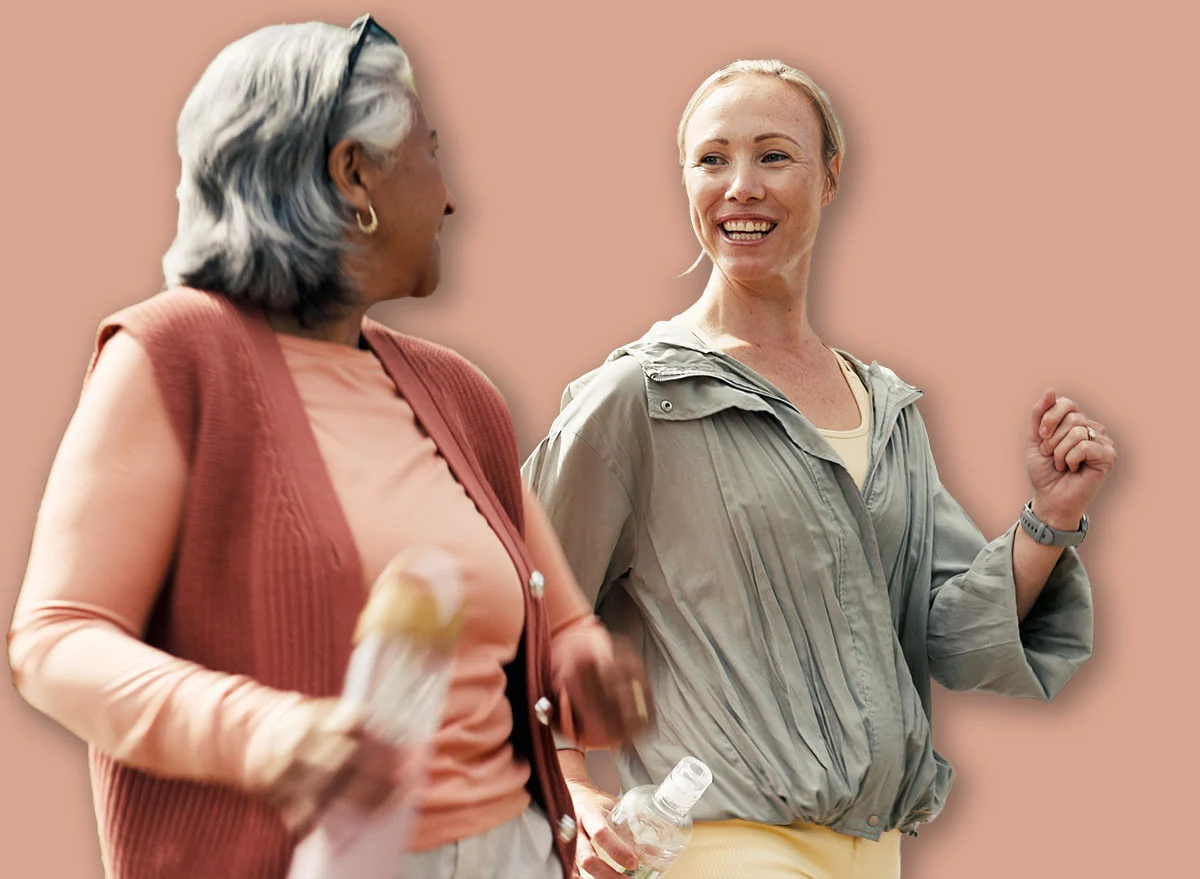
For many, the simple act of walking—once an effortless transition from point A to point B—becomes a source of hesitation after the age of 60. As we age, a subtle but significant transformation occurs in our gait: strides become shorter, the pace slows, and the confidence that once characterized our movement begins to wane. While many older adults assume this is an inevitable byproduct of the aging process, fitness experts argue that it is often a symptom of muscle atrophy—specifically in the lower body and core.
Tyler Read, a certified personal trainer with 15 years of experience in geriatric fitness, asserts that the solution isn’t just to walk more, but to train smarter. By utilizing targeted, seated exercises, individuals can build the foundational strength necessary for a stable, confident, and independent stride.
The Physiology of the Aging Gait
The primary culprits behind a compromised gait are weakened hip flexors, quadriceps, and calf muscles. These muscle groups, which are responsible for propelling the body forward and providing stability, are often the first to lose mass due to sedentary lifestyles or extended periods of sitting.
When these muscles weaken, the body naturally adjusts by shortening the stride to maintain balance. This change in mechanics not only reduces walking efficiency but also increases the risk of falls, particularly on uneven surfaces. Traditional exercises, such as lunges, are frequently recommended to address this. However, lunges require a level of balance, hip mobility, and knee stability that many older adults lack, making them a high-risk, low-reward option for those just starting their fitness journey.
The "Chair-First" Philosophy
The shift toward chair-based training is not merely a convenience; it is a strategic choice for safety and physiological isolation. By performing exercises in a seated position, individuals can eliminate the fear of falling, remove the strain on sensitive joints, and focus entirely on the muscular engagement required for movement.
As Read notes, these movements reinforce the neural pathways used during walking. By performing these routines a few mornings a week, adults over 60 can see dramatic improvements in their daily independence, from navigating stairs with ease to walking longer distances without fatigue.
1. Seated Marches: Priming the Hip Flexors
The hip flexors are the engine of your gait. Weakness here leads to a "shuffling" walk, where the toes barely clear the ground.
- The Science: Seated marches activate the lower abdominals and the psoas muscles. By lifting the knee while seated, you mimic the exact movement required to swing the leg forward during a walk.
- How to Perform: Sit tall in a sturdy chair with your feet flat on the floor. Engage your core, then slowly lift one knee toward your chest, keeping the foot relaxed. Lower it with control and repeat on the opposite side. Aim for 10–12 repetitions per leg.
- Implication: After just a few weeks, many trainees report that their legs feel lighter, as their hip flexors are better equipped to handle the repetitive cycle of walking.
2. Sit-to-Stand: The Gold Standard of Functionality
If there is one "master" exercise for seniors, it is the sit-to-stand. It perfectly replicates the mechanics of rising from a chair, climbing stairs, and stepping over obstacles.
- The Science: This move recruits the entire posterior chain, including the glutes, hamstrings, and quadriceps. It forces the core to stabilize the torso, which is critical for posture.
- How to Perform: Start at the edge of your chair. Keep your feet shoulder-width apart. Lean slightly forward, engage your core, and press through your heels to stand fully upright. Slowly lower yourself back down, maintaining control throughout the descent.
- Implication: Consistency here builds the functional power needed for daily tasks. It reduces the "heavy" feeling in the legs that often leads to fatigue by midday.
3. Seated Heel Raises: Powering the Push-Off
Walking is essentially a series of controlled falls caught by the next step. The "push-off" phase is powered by the calves.
- The Science: Seated heel raises improve circulation and strengthen the gastrocnemius and soleus muscles. Stronger calves translate to a more powerful stride, allowing you to walk further with less exertion.
- How to Perform: While seated with feet flat, lift your heels as high as possible, pushing through the balls of your feet. Hold for one second at the top, then lower. Perform 15–20 repetitions.
- Implication: Improved calf strength provides the "spring" in your step, making it easier to walk on varied terrain without feeling off-balance.
4. Seated Knee Extensions: Protecting the Joints
The quadriceps act as shock absorbers for the knees. When they are weak, the joint bears the brunt of every step, leading to chronic discomfort.
- The Science: Knee extensions isolate the quadriceps without the compressive forces associated with standing squats. This makes them ideal for individuals recovering from inactivity or managing joint stiffness.
- How to Perform: Sit with your back supported. Slowly straighten one leg until it is parallel to the floor. Squeeze the quad at the top, then lower slowly. Perform 10 repetitions per leg.
- Implication: As the quads grow stronger, the stability of the knee joint increases, significantly reducing the perceived difficulty of climbing stairs or navigating inclines.
5. Seated Toe Raises: Preventing the Shuffle
The "tibialis anterior"—the muscle along the front of the shin—is responsible for lifting the toes. Weakness here is the primary cause of trips and falls.
- The Science: Strengthening this muscle ensures that the foot clears the ground during the "swing" phase of walking. It is a critical component of safety.
- How to Perform: With feet flat on the floor, keep your heels planted and lift your toes as high as possible toward your shins. Lower them back down. Perform 15 repetitions.
- Implication: This simple movement has an outsized impact on gait safety, allowing for a more fluid and confident walking pattern, especially on uneven sidewalks.
6. Seated Cross-Body Knee Lifts: Integrating the Core
Walking is a full-body event, requiring rotational stability and coordination between the upper and lower body.
- The Science: By incorporating a cross-body movement, you engage the obliques and the deep stabilizers of the spine. This creates a more natural arm swing and improves rhythm.
- How to Perform: Sit tall and bring your right knee up while simultaneously rotating your torso slightly to bring your left elbow toward it (or simply touch the opposite knee). Alternate sides in a slow, controlled manner.
- Implication: This builds the "cross-lateral" coordination that prevents a rigid, stiff gait, resulting in a more fluid, rhythmic walking style.
Supporting Data and Clinical Context
Research published in the Journal of Aging and Physical Activity highlights that resistance training in older adults is the single most effective intervention for preventing mobility-related disability. While aerobic activity is vital for cardiovascular health, the mechanical ability to move safely is predicated on muscular strength.
Physiotherapists frequently endorse chair-based protocols for patients who are "deconditioned." The ability to isolate specific muscle groups—like the tibialis anterior or the gluteus medius—allows for faster strength gains compared to general walking, which often relies on existing, sometimes faulty, compensatory movement patterns.
Expert Consensus: The Path Forward
The consensus among geriatric health professionals is clear: Movement is medicine, but strength is the dose.
Tyler Read emphasizes that these exercises should not be viewed as a temporary fix but as a permanent addition to one’s morning routine. "Consistency beats intensity every time," says Read. "You do not need to spend hours in a gym. Ten minutes of focused, seated, intentional movement can change the trajectory of your mobility for the next decade."
Implications for Longevity
The implications of maintaining a strong gait extend far beyond the sidewalk. Research consistently shows that walking speed and gait stability are "vital signs" of overall health and longevity. By investing in these six exercises, individuals are doing more than just building muscle; they are investing in their independence.
The transition from a hesitant, short-strided walk to a confident, rhythmic gait is within reach for almost everyone. By starting with the chair, you remove the barriers to entry, allowing your body to rebuild the strength it needs to carry you through the years ahead with grace, stability, and freedom.