





Executive Summary: A New Frontier in Immunotherapy
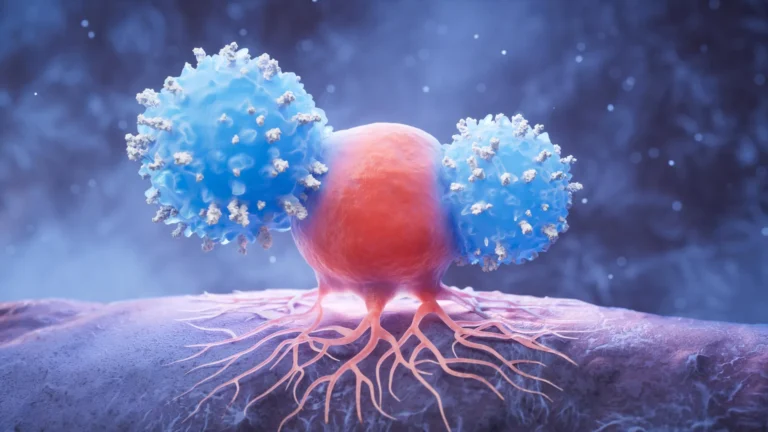
Chimeric antigen receptor (CAR) T-cell therapy has heralded a paradigm shift in oncology, offering a lifeline to patients with large B-cell lymphoma (LBCL) who have exhausted conventional treatment options. By genetically reprogramming a patient’s own immune cells to identify and eradicate malignant cells, this therapy has achieved remarkable remissions. However, the clinical reality remains sobering: nearly 50% of patients experience cancer recurrence post-treatment.
At the forefront of addressing this critical clinical challenge is Dr. Sandeep Raj, a physician-scientist at the Memorial Sloan Kettering Cancer Center (MSKCC). Dr. Raj’s research is not merely observational; it is an active effort to decode the biological mechanisms that allow lymphoma to evade these sophisticated cellular therapies. Through a multidisciplinary approach that integrates quantitative biology, immunology, and clinical practice, Dr. Raj is pioneering strategies to improve the durability of CAR T-cell success, aiming to turn temporary remissions into permanent cures.
The Clinical Challenge: Why CAR T-Cell Therapy Fails
While CAR T-cell therapy has revolutionized the treatment landscape for LBCL, the high rate of relapse remains a significant hurdle in hematologic oncology.
Understanding Immune Evasion
Dr. Raj’s research posits that the failure of CAR T-cell therapy is rarely due to a single factor. Instead, it is the result of a complex interplay between the tumor microenvironment (TME) and the patient’s underlying immune system.
"Roughly half of patients will see their cancer return, and we do not fully understand why," Dr. Raj explains. His work delves into how the immune system—intended to be the primary weapon against cancer—can inadvertently become a hindrance. Specifically, his team is investigating whether certain immune responses might inadvertently shield cancer cells from detection or suppress the activity of the CAR T-cells once they are infused into the patient.
The Search for Predictive Biomarkers
A core pillar of Dr. Raj’s project is the identification of patients at high risk for treatment failure before they even receive their infusion. By analyzing the "immune landscape" of patients, Dr. Raj hopes to develop a diagnostic framework that can predict which individuals will respond favorably and which will require supplemental interventions. This prospective identification would allow clinicians to pivot toward prophylactic strategies, such as the use of anti-inflammatory or antiviral medications, to "prime" the immune environment and prevent the exhaustion or suppression of the CAR T-cells.
Chronology: From Personal Inspiration to Scientific Leadership
The trajectory of Dr. Raj’s career is defined by a unique intersection of personal experience and rigorous academic pursuit.
The Catalyst: A Family Diagnosis
Dr. Raj’s commitment to lymphoma research is rooted in a formative experience during his youth. When a close family member was diagnosed with lymphoma, the sudden transition from normalcy to the high-stakes world of oncology left an indelible mark.
"There was an overwhelming sadness and anxiety during the initial period after hearing the diagnosis," Dr. Raj recalls. However, it was the demeanor of the oncologist that shaped his future path. "At the first consultation, their oncologist assuaged our fears with calm confidence filled with compassion and warmth and guided my family member toward a full remission."
This experience served as the blueprint for his own medical career. It instilled in him the belief that excellence in science must be inextricably linked to compassionate, patient-centered care.
Academic and Professional Development
- Early Medical Training: During his formative years in medical school and residency, Dr. Raj consistently found himself drawn back to the study of lymphoproliferative disorders.
- Specialization: He focused his training on the mechanisms of cancer immunology, recognizing that the future of oncology lay in the ability to manipulate the immune system.
- Appointment at MSKCC: Joining Memorial Sloan Kettering Cancer Center provided Dr. Raj with the ideal ecosystem to integrate bench-side research with patient-facing clinical trials.
- Foundation Support: Supported by the Foundation, Dr. Raj is currently establishing a multidisciplinary research program dedicated to the "computer-to-lab-to-bedside" cycle.
Supporting Data and Methodology: The "Triad" Approach
Dr. Raj’s research program is characterized by its reliance on a three-pronged methodological approach, which he describes as the "computer to the lab bench to the bedside and back" pipeline.
1. Quantitative Biology (The Computer)
Modern cancer research generates massive datasets. Dr. Raj utilizes high-throughput computational biology to analyze the genomic and transcriptomic signatures of LBCL cells. By mapping the genetic landscape of recurring tumors, his team can identify which mutations allow cells to escape T-cell surveillance.
2. Experimental Immunology (The Lab Bench)
In the laboratory, Dr. Raj recreates the patient’s immune microenvironment in vitro. By testing various combinations of drugs, including targeted anti-inflammatory therapies, he observes how these agents modulate the efficacy of CAR T-cells. The goal is to identify specific drugs that can "reshape" the environment, making it more hospitable for the CAR T-cells to proliferate and function.
3. Clinical Translation (The Bedside)
The ultimate goal of this research is the development of clinical trials. By translating laboratory findings into bedside applications, Dr. Raj hopes to change the standard of care for patients with high-risk LBCL. The "back to the computer" phase involves taking data from those clinical trials to refine the original models, creating a virtuous cycle of constant improvement.
Official Responses and Perspectives
The importance of Dr. Raj’s work has not gone unnoticed by the wider hematology community. Experts in the field of cellular therapy have highlighted that moving beyond "one-size-fits-all" approaches is the next critical step for CAR T-cell development.
"Dr. Raj’s focus on the immune microenvironment is timely," noted a peer in the field. "We have spent years optimizing the CAR construct itself, but we are now realizing that the environment in which the CAR T-cell operates is equally, if not more, important."
Dr. Raj remains humble about the task ahead, viewing his role as both a scientist and a servant to the patient population. "It is an absolute privilege to be able to work at the intersection of quantitative biology, cancer immunology, and cellular therapy," he says. "My work is driven by the hope that I can provide the same compassionate and thoughtful care my family once received, while contributing to the larger scientific goal of finding a definitive cure for lymphoma."
Implications: The Future of Lymphoma Treatment
The potential implications of Dr. Raj’s research are profound. If he succeeds in identifying reliable biomarkers for treatment failure and effective prophylactic interventions, the landscape of lymphoma treatment could change in three key ways:
1. Shift Toward Personalized Medicine
Instead of treating all LBCL patients with a standard CAR T-cell protocol, clinicians could customize the treatment plan based on the patient’s specific immune profile. This could involve "pre-conditioning" the patient to ensure their immune environment is optimized for the arrival of the CAR T-cells.
2. Reduced Recurrence Rates
By proactively managing the immune environment, it may be possible to significantly lower the 50% recurrence rate, sparing patients the physical and emotional toll of disease progression after initial therapy.
3. Enhanced Long-term Survivorship
The ultimate success of this research would be an increase in durable remissions. For many patients, the anxiety of potential relapse is a persistent shadow; by ensuring the therapy works effectively the first time, Dr. Raj’s research could provide patients with the long-term assurance they currently lack.
Conclusion
Dr. Sandeep Raj’s work at Memorial Sloan Kettering represents the vanguard of modern oncology. By blending the precision of computational science with the human element of compassionate care, he is addressing one of the most stubborn problems in lymphoma therapy. As he continues to bridge the gap between laboratory discovery and clinical practice, the hope for a future where lymphoma is not just treated, but permanently overcome, becomes increasingly tangible. His journey from a family member’s bedside to the front lines of scientific innovation serves as a powerful reminder of the impact that dedicated, patient-centered research can have on the global fight against cancer.