








For decades, the “placebo effect” was viewed by the medical establishment primarily as a nuisance—a confounding variable to be stripped away in order to isolate the “real” chemical efficacy of a pharmaceutical drug. However, a groundbreaking study emerging from the Università Cattolica del Sacro Cuore in Milan is flipping this paradigm on its head. Researchers have discovered that the power of suggestion, even when stripped of deception, can yield tangible, measurable improvements in the cognitive and physical health of older adults.
The study, published in the International Journal of Clinical and Health Psychology, suggests that we may be standing on the threshold of a new, non-pharmacological frontier in geriatric care. By leveraging the mind’s inherent capacity to influence biological function, clinicians may soon have an ethically sound, cost-effective tool to combat the natural decline associated with aging.
The Core Findings: Beyond the Sugar Pill
At the heart of the research is a simple, yet radical question: Can a placebo, when taken with full transparency, still trigger a physiological and psychological benefit?
Led by a team including Diletta Barbiani, Alessandro Antonietti, and Francesco Pagnini, the study focused on 90 healthy older adults living within the community. The results were striking. Participants who engaged in a three-week regimen of placebo supplementation showed statistically significant gains in short-term memory, selective attention, and physical performance. Perhaps most provocatively, the participants who were told explicitly that they were taking a placebo—a practice known as "open-label placebo" (OLP)—frequently outperformed or matched those who were deceived into believing they were taking an active supplement.
These findings challenge the long-held assumption that the placebo effect relies entirely on the patient being “tricked.” Instead, the study suggests that the mere act of engaging in a health-promoting ritual, combined with the psychological acknowledgment of the mind-body connection, is sufficient to catalyze physical and mental improvements.
Chronology: A Three-Week Journey into Mind-Body Medicine
To understand the significance of these findings, one must look at the rigorous methodology employed by the Milanese research team. Supported by PNRR grants through the Age-IT project, the study was structured to minimize bias and capture a holistic view of the aging process.
Phase 1: Recruitment and Baseline Assessment
The researchers recruited 90 healthy, community-dwelling older adults. Before any intervention began, the participants underwent a comprehensive baseline evaluation. This included self-reporting questionnaires covering variables such as perceived stress, psychological well-being, sleep patterns, fatigue levels, optimism, and self-efficacy. Crucially, they were also subjected to objective cognitive testing—measuring short-term memory and selective attention—as well as standardized physical performance metrics.
Phase 2: The Three-Group Intervention
The participants were randomly assigned to one of three distinct groups:
- The Control Group: This group received no treatment or intervention, serving as the benchmark for natural fluctuations over the three-week period.
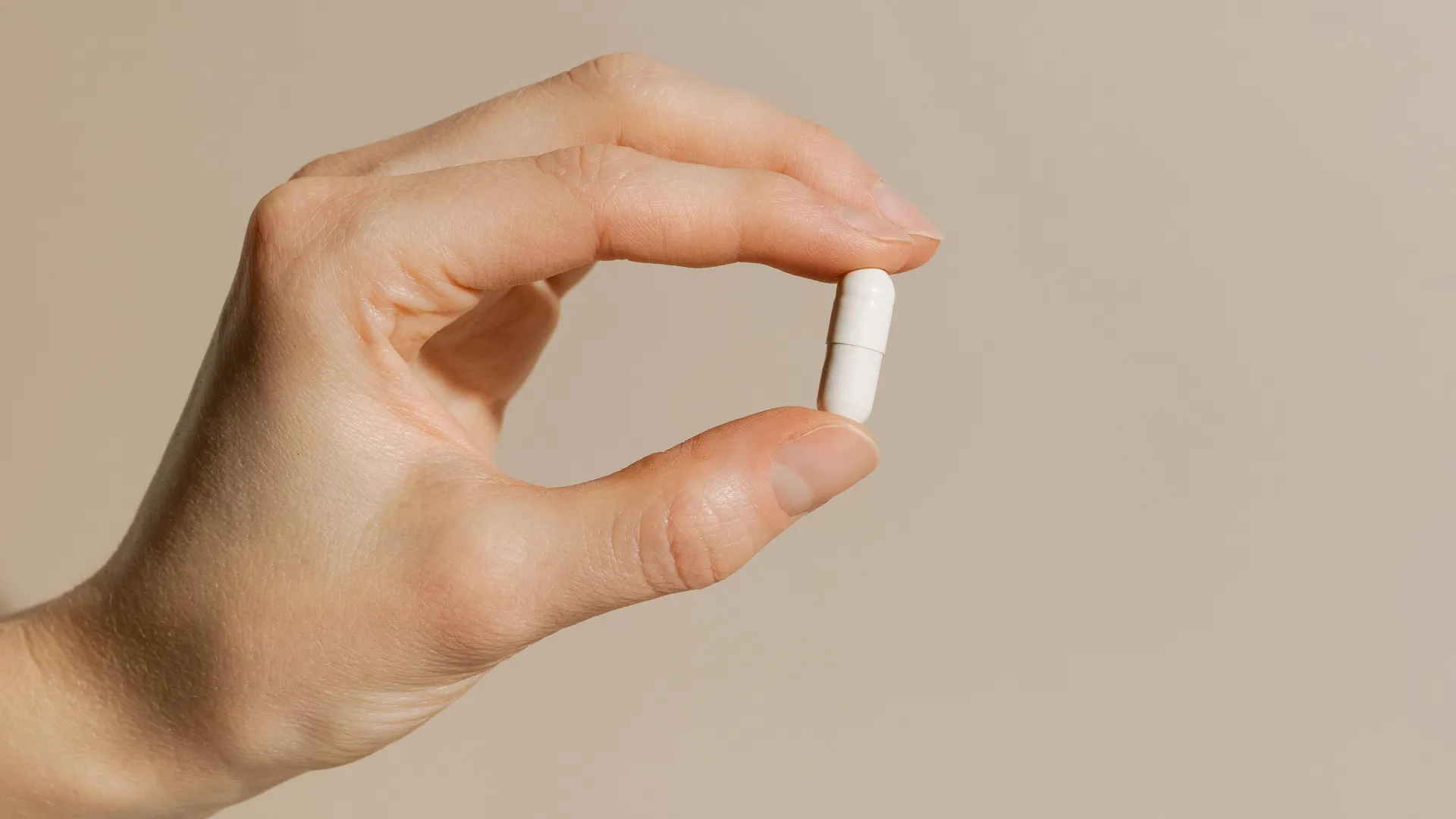
- The Deceptive Placebo Group: These participants were administered placebo pills but were told they were receiving an active supplement designed to enhance physical and cognitive function.
- The Open-Label Placebo (OLP) Group: These participants received the same inert pills but were given a thorough explanation of what a placebo is, how the mind-body connection works, and the potential for a positive, non-deceptive response.
Phase 3: Post-Intervention Evaluation
After the 21-day period, the researchers repeated the baseline assessments. By comparing the “before and after” data, the team was able to quantify the impact of the different approaches. The results confirmed that the mind is a far more active participant in the aging process than previously recognized in clinical settings.
Supporting Data: The Metrics of Improvement
The quantitative data gathered by the researchers paints a compelling picture of how these interventions influenced the participants.
Cognitive Gains
Cognitive performance saw marked improvement across both placebo groups. Those who believed they were taking a real supplement saw score increases ranging from 12.6% to 14.6% in specific tests. Interestingly, the OLP group—those who knew they were taking a fake pill—showed improvements ranging from 6.9% to 21.5%. The variability suggests that for certain cognitive tasks, the transparency of the OLP approach may actually enhance cognitive engagement, leading to superior outcomes.
Physical Performance and Vitality
Physical performance metrics were equally encouraging. The deceptive group showed a 7% improvement in physical tasks, while the open-label group demonstrated a 9.2% increase. Additionally, participants reported lower levels of fatigue and drowsiness.
The Stress Response
Perhaps the most notable finding concerned stress. While both groups benefited, the OLP group experienced a more pronounced reduction in perceived stress levels compared to the deceptive group and the control group. This indicates that the act of being transparent about a placebo treatment may foster a sense of empowerment or agency in the patient, which in turn buffers against the physiological toll of stress.
Official Responses: Insights from the Faculty
Professor Francesco Pagnini, a Full Professor of Clinical Psychology at the Università Cattolica, emphasizes that this research is not merely an isolated experiment, but part of a broader trajectory in psychological science.
“The study is part of an established line of research in which we analyze the role of the mind in aging processes, which is very important,” Pagnini explains. For Pagnini, the goal was to push past the ethical dilemmas of deceptive medicine. "Our goal was to clarify whether an open-label placebo therapy could influence psychological, cognitive, and physical functions in older adults. The results suggest that we can harness these benefits without the need for deception."
When asked about the magnitude of the effects, Pagnini was unequivocal: "These are significant effects, comparable to those seen in some experimental studies on physical activity regarding physical performance and cognitive training, especially with regard to memory."
Implications: A New Era for Healthy Aging?
The implications of this research are profound for both healthcare policy and clinical practice. If we can achieve meaningful, non-pharmacological improvements in the health of the elderly through open-label placebo treatments, the potential for reducing the reliance on drugs—and the associated side effects—is immense.
1. Ethical Transparency
The most significant hurdle to using the placebo effect in clinical practice has historically been the issue of ethics. Deception is generally considered antithetical to the principle of informed consent. By demonstrating that open-label placebos are not only effective but sometimes more effective than deceptive ones, the Milan team has provided a blueprint for an ethical, transparent, and low-cost intervention.
2. A Holistic Model of Care
The study reinforces the idea that the aging process is not a rigid biological decline but a fluid, dynamic state influenced by thoughts, emotions, and self-perception. Integrating mind-body interventions into geriatric care could shift the focus from “treating” aging as a disease to “supporting” the individual’s inherent capacity for resilience.
3. Future Research Directions
While these results are promising, the researchers are quick to note that further study is required to understand the mechanisms at play. What is it about the OLP process that triggers these responses? Is it the patient’s belief in the therapy, the clinical environment, or the sense of agency gained from participating in the study? Understanding these nuances will be the next step in translating these findings into mainstream medical practice.
4. Societal Impact
As global populations continue to age, the burden on healthcare systems will only grow. If a simple, transparent, and non-pharmacological intervention can improve memory, reduce stress, and enhance physical performance, it could lead to significant reductions in healthcare expenditures. More importantly, it could drastically improve the quality of life for millions of seniors, allowing them to maintain their independence and cognitive sharpness for longer.
Conclusion
The study from the Università Cattolica del Sacro Cuore serves as a powerful reminder of the untapped potential of the human mind. By validating the open-label placebo, researchers have opened a door to a more compassionate and effective model of care. As we continue to unravel the complex interplay between our thoughts and our physiology, we may find that the most powerful medicine is often the one that helps us rediscover the strength already within us.
This research does not suggest that placebos can cure all ailments, nor does it discount the necessity of evidence-based pharmacology. However, it does suggest that we have been ignoring a potent, free, and accessible tool for improving human health. In the ongoing journey toward healthy aging, the mind is proving to be our greatest, and perhaps most underutilized, asset.