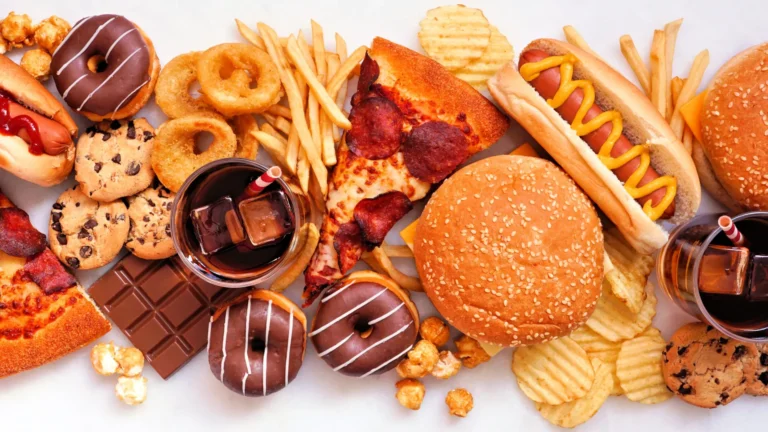









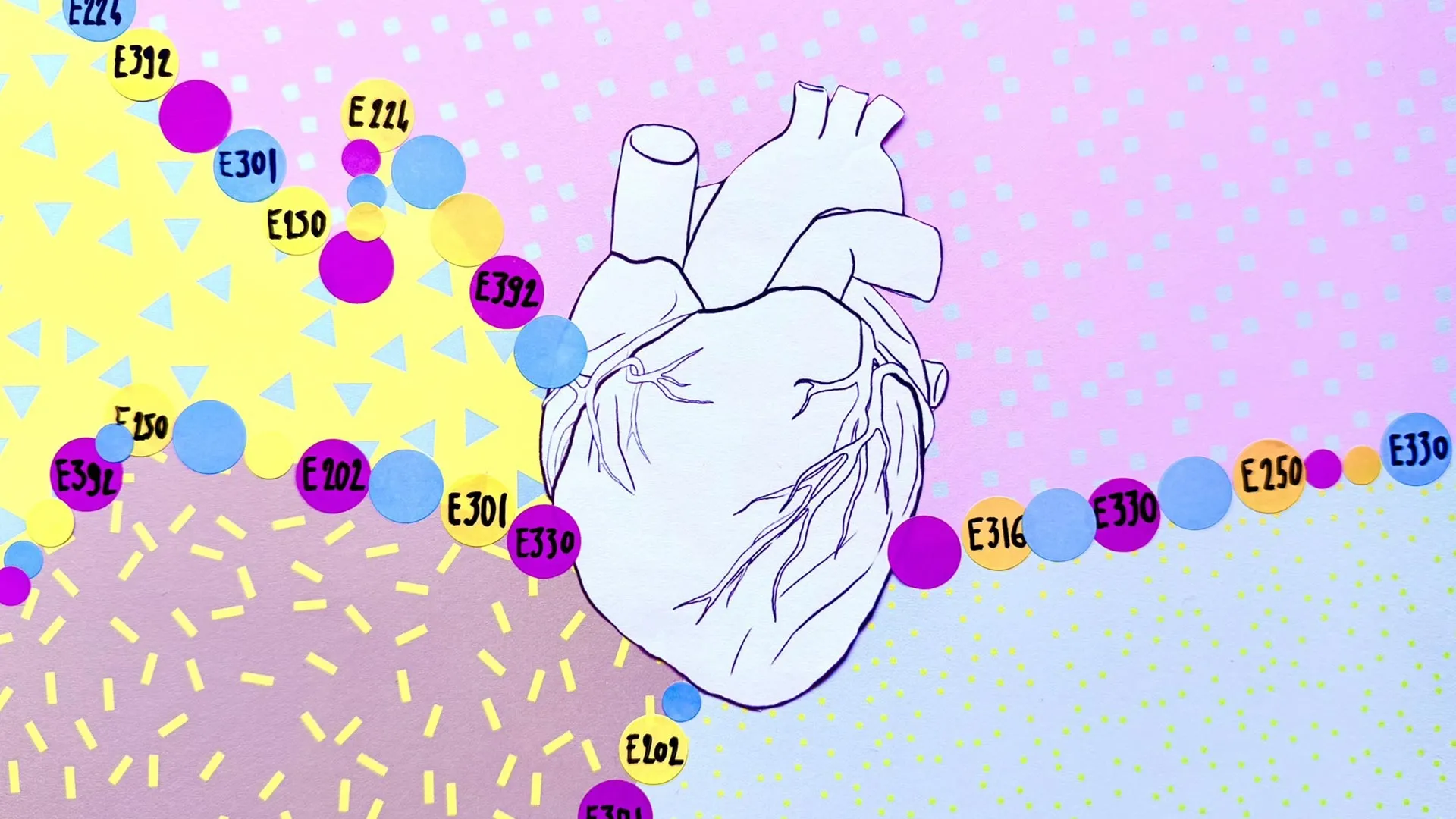
In an era where ultra-processed foods constitute a significant portion of the modern Western diet, a groundbreaking study has sounded a clarion call regarding the silent impact of food additives on human health. According to new research published in the European Heart Journal, the ubiquitous preservatives used to extend the shelf life of supermarket staples may be exacting a high price on the cardiovascular system, potentially fueling the global rise in hypertension and heart disease.
The study, which analyzed the dietary habits and health outcomes of over 112,000 participants, suggests that the chemical agents designed to keep our food fresh may be undermining the very health of those who consume them. As regulatory bodies face mounting pressure to reassess food safety standards, the findings offer a sobering reminder of the complex relationship between industrial food processing and chronic disease.
The Genesis of the Research: A Collaborative Effort
The investigation was spearheaded by Dr. Mathilde Touvier, Research Director at INSERM (the French National Institute for Health and Medical Research), and Anaïs Hasenböhler, a PhD candidate. Both are esteemed members of the Nutritional Epidemiology Research Team at Université Sorbonne Paris Nord and Université Paris Cité.
Their objective was to bridge a significant gap in nutritional science. While decades of laboratory and animal studies have hinted that specific food additives might induce oxidative stress or metabolic dysfunction, direct evidence from human populations remained frustratingly sparse. "Food preservatives are used in hundreds of thousands of industrially processed foods," explains Hasenböhler. "While experimental data has long suggested these additives could be harmful, we lacked the epidemiological evidence to confirm these effects in humans. This is the first study of its kind to investigate the links between such a broad range of preservatives and cardiovascular health on this scale."
Chronology of the Investigation: The NutriNet-Santé Initiative
The research was conducted under the auspices of the NutriNet-Santé study, a massive, long-term web-based cohort project. The scale of the data collection was unprecedented, involving 112,395 volunteers from across France who provided exhaustive records of their daily intake.
- Data Collection: Participants documented everything they ate and drank over three-day periods every six months, allowing researchers to build a highly granular profile of their exposure to various chemical additives.
- Assessment: Researchers cross-referenced these dietary logs against extensive databases of food ingredients, identifying the specific preservatives present in each consumed item.
- Monitoring: The participants were followed for an average period of seven to eight years. During this time, researchers meticulously tracked the incidence of hypertension and cardiovascular conditions, such as strokes, heart attacks, and angina.
The ubiquity of these additives was confirmed almost immediately. Within the first two years of the study, 99.5% of the participants had consumed at least one food preservative, underscoring the near-impossibility of avoiding these substances in the modern food supply.
Supporting Data: Unveiling the Risks
The findings paint a concerning picture of the correlation between specific additive categories and adverse health outcomes. The researchers categorized preservatives into two primary types: non-antioxidant preservatives (which prevent microbial growth, such as mold and bacteria) and antioxidant preservatives (which prevent oxidation, ensuring that fats do not turn rancid and colors remain vibrant).
The Statistical Correlation
The analysis revealed a stark disparity in health outcomes based on intake levels:
- Non-Antioxidant Preservatives: Participants with the highest consumption levels faced a 29% greater risk of developing hypertension compared to those who consumed the least. Furthermore, this group showed a 16% higher risk of suffering from cardiovascular diseases, including major incidents like heart attacks and strokes.
- Antioxidant Preservatives: High intake of these substances was linked to a 22% increase in the risk of hypertension.
The "Big Eight": Specific Culprits
Beyond broad categories, the team scrutinized 17 of the most common preservatives individually. They identified eight specific additives that demonstrated a statistically significant association with an increased risk of high blood pressure. Among these, ascorbic acid (E300)—a preservative often perceived as benign due to its relationship with Vitamin C—was specifically identified as having an association with an increased risk of cardiovascular disease.
The identification of these specific compounds provides a roadmap for future toxicology studies, as researchers now have a focused list of substances to prioritize for mechanistic investigation.
Official Responses and Scientific Context
The study has prompted immediate dialogue within the medical and scientific communities. Dr. Touvier emphasizes that while the study is observational—meaning it identifies correlations rather than definitive causation—the robust nature of the data and the adjustment for confounding variables (such as lifestyle, smoking, and socioeconomic status) make the findings difficult to ignore.
"Experimental research in the literature has consistently suggested that these preservatives may cause oxidative stress in the body or impair pancreatic function," Dr. Touvier notes. "Our findings provide the missing human-centric piece of this puzzle."
There is a growing sentiment among the research team that the time for a regulatory re-evaluation is overdue. They argue that authorities such as the European Food Safety Authority (EFSA) and the U.S. Food and Drug Administration (FDA) must prioritize a fresh look at the risk-benefit profiles of these chemicals. The current regulatory standards, which often focus on acute toxicity rather than long-term, low-dose cumulative effects, may be insufficient to protect public health in the context of a lifelong, ultra-processed diet.
Implications: The Path Forward
The implications of this study are profound, reaching from the kitchen table to the halls of government policy.
1. Shifts in Dietary Guidance
For the average consumer, the takeaway is clear: prioritize whole, unprocessed foods. The researchers advocate for a return to a "fresh-food-first" approach to nutrition. By favoring ingredients in their natural state, consumers can drastically reduce their exposure to the cocktail of chemicals currently present in ultra-processed goods.
2. The Role of Healthcare Professionals
Doctors and dietitians are being urged to integrate discussions about food additives into their patient consultations. Providing the public with the tools to read labels and understand the potential risks of preservatives is a necessary step toward widespread behavioral change.
3. Future Scientific Inquiry
The French research team is not stopping here. Their ongoing work aims to uncover the precise biological mechanisms that bridge the gap between additive consumption and cardiovascular decline. They are currently investigating how these additives influence:
- Systemic Inflammation: Whether preservatives trigger chronic, low-grade inflammatory responses in the vascular system.
- Gut Microbiota: How additives might alter the composition of the microbiome, which is increasingly recognized as a key player in cardiovascular health.
- Metabolic Markers: Tracking how blood metabolic markers change in response to long-term exposure to specific food additives.
4. A Call for Transparency
The study serves as a catalyst for increased transparency in the food industry. If specific preservatives are linked to cardiovascular disease, there is an ethical, if not legal, obligation to provide consumers with clearer warnings or to incentivize the food industry to seek safer alternatives.
Conclusion: A Turning Point for Public Health
The research led by Dr. Touvier and Ms. Hasenböhler represents a significant milestone in nutritional epidemiology. By moving the conversation beyond caloric density and macronutrient ratios into the realm of chemical additives, the study forces a broader conversation about the safety of our food supply.
While we await further, more granular studies to confirm the exact biological pathways at play, the current findings are robust enough to warrant caution. As the medical community digests this data, the message to policymakers and the public alike is one of urgency: when it comes to the long-term health of our hearts, the ingredients we add to our food may be just as important as the food itself. For now, the most prudent course of action for the public is to be mindful, stay informed, and lean toward the simplicity of nature over the complexity of the laboratory.