










18 June, 2026
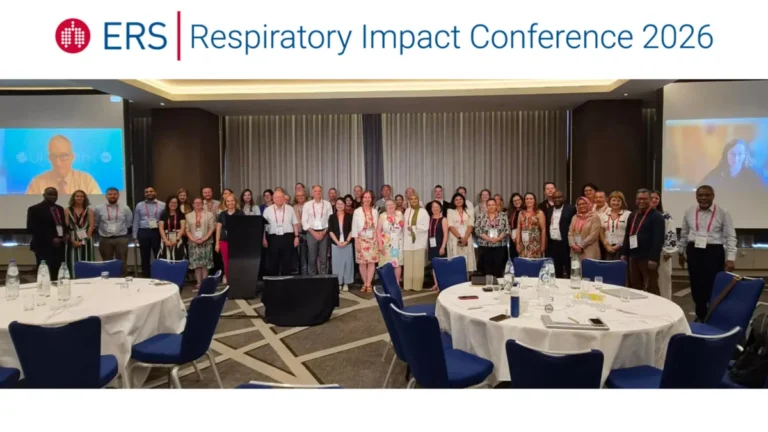
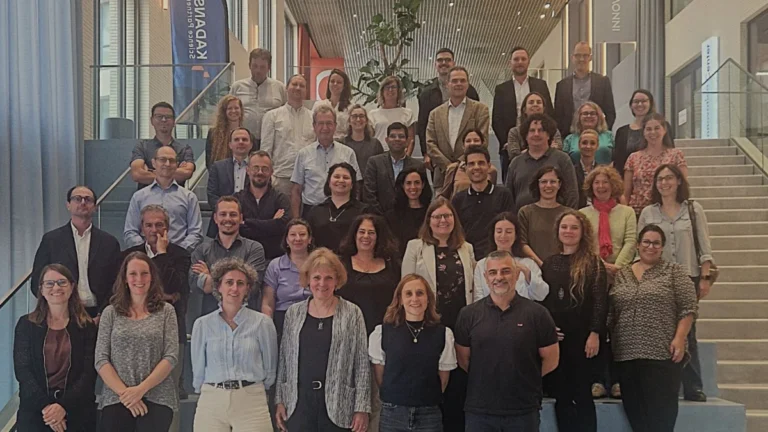
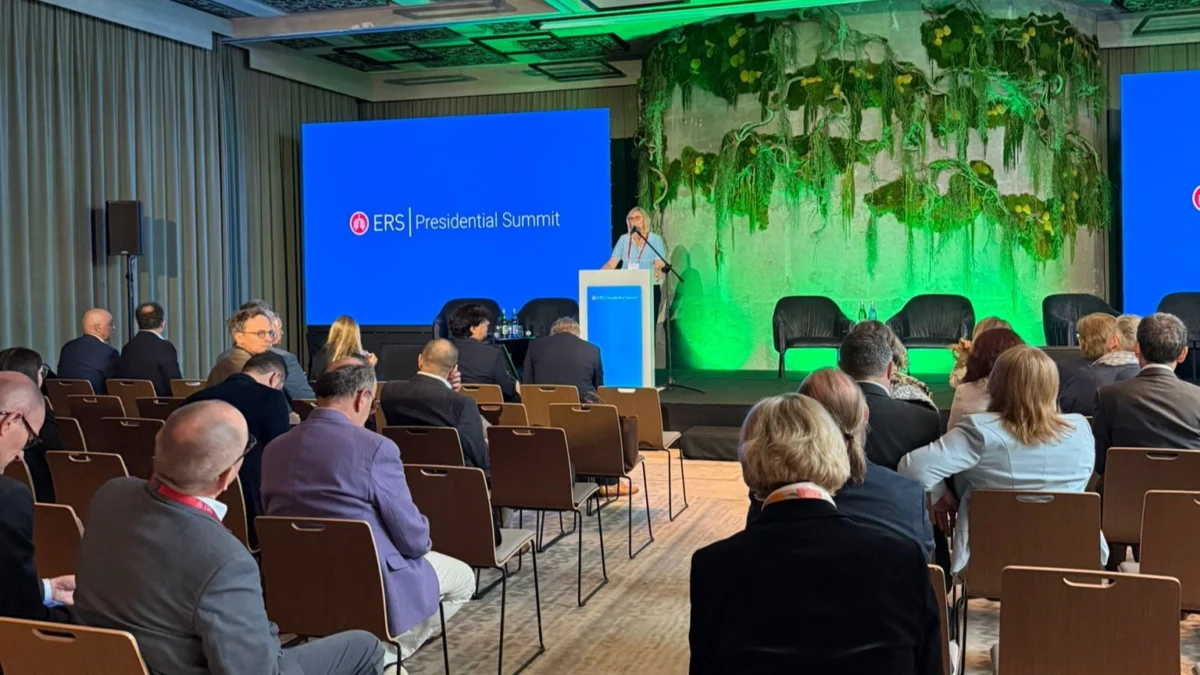
The landscape of respiratory medicine is undergoing a profound transformation, moving from reactive treatment to proactive, early detection. This paradigm shift was the central focus of the European Respiratory Society (ERS) Presidential Summit 2026, held in Warsaw, Poland, from 16–17 June. Led by ERS President Prof. Joanna Chorostowska-Wynimko, the two-day event served as a high-level forum for clinicians, policymakers, and patient advocates to define the future of lung health.
Under the theme “New frontiers of respiratory health: the present and future of early detection,” the Summit underscored that the next decade of respiratory care will be defined by three pillars: the expansion of screening infrastructure, the integration of artificial intelligence (AI), and the promise of advanced biotechnology.
The Strategic Imperative of Early Detection
The ERS Presidential Summit 2026 was not merely an academic gathering; it was a call to action for European health systems. As respiratory diseases continue to pose a significant burden on global mortality and morbidity, the consensus among participants was clear: early detection is the single most effective tool for improving patient outcomes.
Prof. Joanna Chorostowska-Wynimko opened the summit by highlighting that the "wait-and-see" approach is no longer sustainable. By identifying disease before symptoms become debilitating, health systems can significantly reduce the long-term economic burden while drastically improving the quality of life for millions of citizens.
Chronology: A Roadmap for Respiratory Innovation
The two-day program was meticulously structured to bridge the gap between current clinical successes and future technological breakthroughs.
Day One: Screening and Systemic Health Checks
The first day focused on the practical implementation of screening protocols. Prof. Torsten Blum opened the proceedings with a granular analysis of lung cancer screening. The discourse centered on the SOLACE project, a landmark EU4Health initiative that has successfully facilitated the implementation of low-dose CT (LDCT) lung cancer screening across the European Union.
A significant milestone discussed during the session was the formal recognition of lung cancer screening by the International Agency for Research on Cancer (IARC). This endorsement is seen as a watershed moment, providing the legitimacy required for national health services to scale up their screening pilots.
The afternoon session shifted focus to broader respiratory health checks. Prof. Ildiko Horvath, ERS Secretary General, emphasized the inextricable link between respiratory and cardiovascular health. A key focus was placed on spirometry, which was described by the panel as the "window of opportunity" for detecting chronic obstructive pulmonary disease (COPD) and other obstructive lung conditions at a stage where intervention can still reverse or halt damage.
Day Two: The AI Revolution and Biotech Frontiers
The second day shifted toward the horizon of medical technology. Prof. Przemyslaw Biecek (Warsaw University of Technology) led a deep dive into the integration of artificial intelligence. The session focused on Sybil, a deep-learning model capable of predicting lung cancer risk from a single low-dose chest CT scan.
The afternoon concluded with a forward-looking session led by ERS President-Elect Dr. Marc Miravitlles. The discourse explored how biotechnology, coupled with the proposed EU Biotech Act, will shift the treatment landscape from generic management to precision medicine, enabling early detection of genetic and molecular markers before clinical disease manifests.
Supporting Data and Technical Breakthroughs
The Summit provided a wealth of data that highlights the urgency of early intervention.
- The SOLACE Model: The EU4Health project has demonstrated that structured, low-dose CT screening can reduce mortality by identifying malignancies at early, curable stages. The data presented in Warsaw suggests that the scalability of these programs is contingent upon standardized international protocols.
- The AI Infrastructure: The presentation on Sybil highlighted that AI’s utility is not found in standalone diagnosis but in the augmentation of clinical expertise. Data showed that when radiologists leverage AI as a second reader, the sensitivity for early-stage lung nodules increases significantly.
- The Biotech Pipeline: Dr. Marc Miravitlles presented figures detailing the EU Life Sciences Strategy, noting that the pipeline for biotech diagnostics for chronic respiratory conditions is currently at an all-time high, with several innovative biomarkers entering clinical trials this year.
Official Perspectives: The Human-AI Partnership
A recurring theme throughout the Summit was the tension between technological advancement and the essential role of the human clinician.
In the sessions dedicated to AI, the consensus reached by experts—including Prof. Biecek—was summarized into three core principles:
- Collaboration over Replacement: AI models are designed to augment the radiologist’s eye, not to replace the clinical judgment that encompasses a patient’s unique history.
- Infrastructure for Trust: The primary barrier to AI adoption is not the lack of models, but the lack of transparent infrastructure. Trust must be built through rigorous validation and explainable AI (XAI) frameworks.
- The Hybrid Future: The future of medicine lies in "augmented expertise." AI handles the high-volume, high-complexity pattern recognition, while clinicians manage the holistic care and communication with patients.
Regarding policy, Dr. Marc Miravitlles emphasized that the upcoming Biotech Act is a pivotal opportunity for the respiratory field. He urged policymakers to view biotechnology not as a luxury but as a cost-saving tool that shifts health expenditure from late-stage palliative care to early-stage prevention.
Implications for Public Health and Policy
The ERS Presidential Summit 2026 reached several critical conclusions that will shape European health policy for the remainder of the decade:
1. Standardization of Protocols
The success of lung cancer screening is currently fragmented across Europe. The Summit concluded that international standardization of CT protocols is essential to ensure that patients in every EU member state receive the same quality of care.
2. The Launch of "Healthy Lungs for Life"
In a tangible manifestation of the Summit’s goals, the Healthy Lungs for Life campaign was officially launched in Poland. This initiative is a multi-year effort spanning nine European countries, designed to engage the general public in lung health awareness and air pollution advocacy. By linking the environmental impact of air quality directly to the need for early detection, the campaign aims to pressure policymakers into implementing cleaner air regulations.
3. Closing the Data Gaps
Despite the success of current pilots, the Summit identified significant "data deserts." There is a critical need for centralized, anonymized datasets that allow researchers to track long-term outcomes of early detection programs. Participants agreed that without robust, real-world evidence, it will be difficult to secure the long-term funding required for nationwide screening programs.
4. The Economic Argument
Policymakers were challenged to rethink the economic burden of respiratory disease. The Summit presented evidence suggesting that early detection programs, while requiring significant upfront investment in hardware and training, yield a positive return on investment (ROI) within a decade by reducing hospitalizations, work absenteeism, and the costs associated with late-stage cancer treatment.
Conclusion: A New Era of Respiratory Vigilance
The 2026 ERS Presidential Summit in Warsaw marked a turning point in how the medical community approaches respiratory health. By synthesizing the current successes of the SOLACE project with the emerging potential of AI and biotechnology, the ERS has laid out a clear roadmap for the future.
As Prof. Joanna Chorostowska-Wynimko noted in her closing remarks, the goal is to create a healthcare environment where "early detection is the standard, not the exception." The integration of technological innovation, robust clinical policy, and public advocacy through programs like Healthy Lungs for Life represents a comprehensive strategy to reduce the burden of respiratory disease.
The lessons learned in Warsaw serve as a blueprint for the next generation of clinicians and health policymakers. As the focus shifts toward implementation, the global respiratory community will be watching to see how these ambitious, data-driven frameworks translate into tangible improvements for patients across Europe and beyond. The future of respiratory health is no longer just about treating illness; it is about anticipating it, preventing it, and ultimately, defeating it before it takes hold.