










For decades, the standard paradigm of nutritional science was dominated by a reductionist approach: calories in versus calories out, the precise balancing of macronutrients—proteins, fats, and carbohydrates—and the dogged pursuit of recommended daily servings of fruits and vegetables. While these metrics remain foundational to public health, a seismic shift is occurring within the halls of academia and clinical research.
Scientists are moving beyond the individual nutrient to examine the complex ecosystem residing within the human gastrointestinal tract: the gut microbiome. Emerging research suggests that the true arbiter of long-term health may not be the specific vitamin profile of a single "superfood," but rather the breadth and diversity of one’s entire dietary landscape. By shifting the focus from caloric intake to botanical variety, researchers are uncovering a new blueprint for human longevity and metabolic resilience.
The Main Facts: Rethinking Nutritional Quality
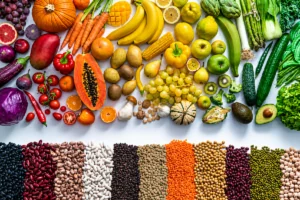
The core premise of this nutritional evolution is deceptively simple: the more diverse the plant-based intake, the more robust the internal microbial community. A human body, when fed a wide variety of fruits, vegetables, legumes, whole grains, nuts, and seeds, is exposed to an expansive spectrum of prebiotics, polyphenols, and fiber types.
These compounds serve as the fuel for a trillion-strong microbial population. When the diet is monotonous—even if "healthy" by traditional standards—the microbiome may become stagnant. In contrast, dietary diversity acts as a catalyst for microbial richness. This richness is not merely a marker of a happy gut; it is a critical defense mechanism. A diverse microbiome is linked to improved immune function, enhanced metabolic regulation, and even the modulation of mental health through the gut-brain axis.
Chronology of Discovery: From Germs to Symbiosis
The Era of Reductionism (1950s–1990s)
Nutritional guidance was historically centered on deficiency diseases and energy balance. The focus was on identifying essential nutrients—Vitamin C to prevent scurvy, protein to prevent kwashiorkor, and caloric limits to stave off obesity. The microbiome was largely viewed through a lens of pathology; bacteria were considered "germs" to be managed or eliminated.
The Human Microbiome Project (2007–2016)
The launch of the National Institutes of Health’s Human Microbiome Project marked a turning point. For the first time, researchers had the tools to map the genetic material of the trillions of microbes living within us. The findings were startling: the human body is more microbial than it is human by cell count. This realization shifted the narrative from "fighting bacteria" to "nurturing symbiosis."
The "Diversity Hypothesis" (2017–Present)
As data from longitudinal studies began to coalesce, a trend emerged. Researchers noticed that populations with the most resilient health profiles consistently consumed a significantly higher number of unique plant species—often exceeding 30 different types per week. This sparked the "Diversity Hypothesis," suggesting that the variety of plant fibers acts as a selective pressure that favors beneficial bacterial strains, which in turn produce health-promoting metabolites like short-chain fatty acids (SCFAs).
Supporting Data: The Science of Variety
The empirical evidence supporting dietary diversity is becoming increasingly granular. Recent studies, most notably those conducted via the American Gut Project, have provided a wealth of data that links plant diversity directly to microbial health.
The "30-Plant-Per-Week" Metric
Data analysis from the American Gut Project suggests that individuals who consume more than 30 different types of plants per week harbor significantly more diverse microbiomes than those who consume fewer than 10. The implications of this are profound:
- Microbial Richness: Higher plant diversity is strongly correlated with a wider array of microbial species, which provides functional redundancy. If one bacterial strain is inhibited by medication or environmental stress, others with similar functions can compensate.
- Short-Chain Fatty Acids (SCFAs): Increased intake of diverse plant fibers leads to higher production of butyrate, propionate, and acetate. These metabolites are crucial for maintaining the integrity of the gut lining and reducing systemic inflammation.
- Reduction in Pathogen Colonization: A diverse, thriving community of "good" bacteria creates a competitive environment that leaves little room for opportunistic pathogens to gain a foothold.
Nutritional Synergy
It is not merely that variety is "better"; it is that plants contain phytochemicals—flavonoids, carotenoids, and tannins—that work synergistically. A diet heavy in blueberries, for example, provides specific anthocyanins, but when paired with the polyphenols in walnuts and the fermentable fibers in lentils, the metabolic impact is greater than the sum of its parts.
Official Responses: Shifting Public Health Guidance
Global health organizations are beginning to acknowledge the limitation of the "food group" model. While official dietary guidelines still emphasize the "MyPlate" or "Eatwell Guide" structures, there is a visible move toward encouraging biodiversity.
The World Health Organization (WHO)
The WHO has recently updated its technical briefs to emphasize the importance of "nutrient density" and "dietary patterns" rather than single-nutrient targets. Their reports now explicitly mention the role of the gut microbiome in non-communicable disease prevention, signaling a major policy shift toward prioritizing gut health in national dietary strategies.
Clinical Nutrition Societies
The American Society for Nutrition (ASN) has increasingly hosted symposiums dedicated to "precision nutrition." These experts emphasize that while standard guidelines are useful for populations, the future of nutrition lies in understanding how individual microbiomes react to specific dietary diversities. The consensus among clinical dietitians is moving away from restrictive "good/bad" food labeling and toward a "cumulative variety" approach.
Implications: The Future of Health and Longevity
The move toward dietary diversity has significant implications for how we treat chronic illness, how we approach food policy, and how we view the human body.
Reimagining Metabolic Health
If the microbiome is the engine of our metabolic health, then dietary diversity is the premium fuel. Many metabolic disorders, including Type 2 diabetes and non-alcoholic fatty liver disease, are now being investigated through the lens of microbial dysbiosis. By focusing on plant diversity, we may be able to manage blood glucose levels more effectively than through calorie restriction alone.
The Environmental Connection
There is a profound alignment between human health and environmental sustainability. A diet rich in diverse plant species—heirloom grains, varied legumes, and seasonal vegetables—requires a more biodiverse agricultural system. Promoting dietary diversity is not just an individual health goal; it is a strategy for ecological restoration, reducing our reliance on monocrop-heavy food systems that deplete soil health.
The Challenge of Modern Eating
The primary hurdle to this shift is the modern food environment. The "Standard Western Diet" is characterized by an over-reliance on just three crops: corn, soy, and wheat. Transforming the average diet requires a systemic change in how food is marketed and produced. It necessitates a move away from hyper-processed foods toward whole-food variety.
Practical Application for the Consumer
For the average individual, the transition is manageable. It does not require a sudden, radical overhaul of one’s pantry. Instead, it suggests a "stacking" approach:
- Add, Don’t Subtract: Rather than removing foods, focus on adding one new vegetable or grain each week.
- Diverse Pantry Staples: Keep a variety of seeds (chia, flax, hemp) and nuts on hand to sprinkle over meals.
- The "Rainbow" Rule: Ensure that the colors on the plate represent different botanical families, not just different shades of the same vegetable.
- Embrace Fermentation: Incorporating fermented foods like kimchi, sauerkraut, and kefir provides a direct influx of beneficial bacteria to complement the fibers one consumes.
Conclusion
The evolution of nutritional science from calorie counting to the cultivation of the gut microbiome represents one of the most exciting developments in modern medicine. By recognizing that we are not just feeding ourselves, but an entire internal ecosystem, we gain a more sophisticated understanding of health. The evidence is clear: diversity is not just the spice of life; it is the essential requirement for a resilient, healthy human existence. As we move forward, the most effective "diet" will be one that celebrates the vast, colorful, and diverse array of plant life that the planet has to offer.