








In a significant leap forward for cancer immunotherapy, a team of researchers at McGill University has unveiled a novel strategy to bolster the tumor-killing capabilities of Natural Killer (NK) cells. By temporarily inhibiting two specific proteins, scientists have successfully bypassed the defensive mechanisms tumors use to shield themselves from the immune system, paving the way for a more potent, affordable, and safer generation of cancer treatments.
The research, published in EMBO Reports in April 2026, details a methodology that deviates from the current industry standard of permanent genetic engineering. Instead, the team employs small-molecule drugs to "supercharge" NK cells, offering a reversible and highly controllable approach to fighting some of the most aggressive malignancies known to medicine.
Main Facts: A New Frontier in Immune Defense
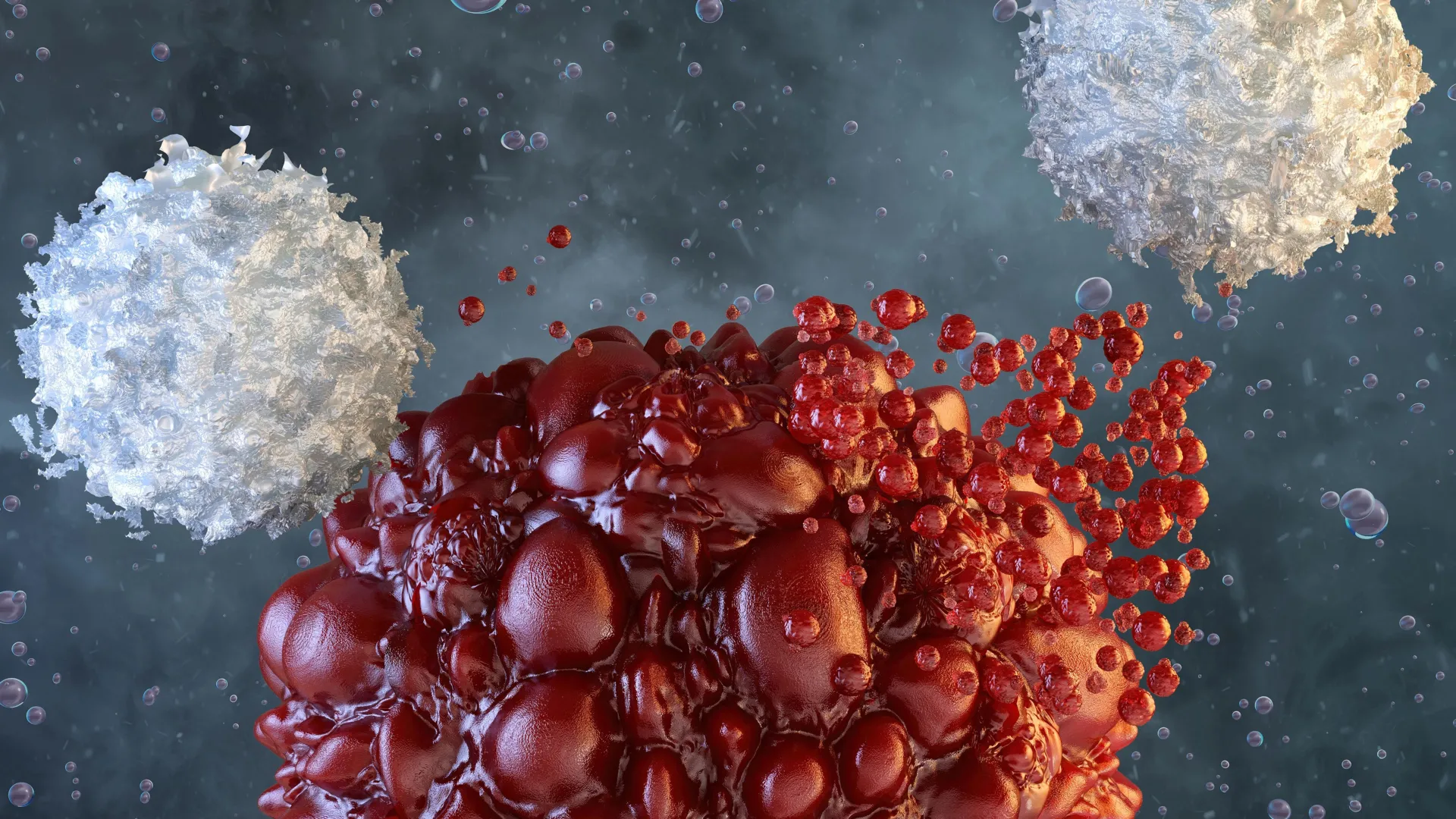
Natural Killer (NK) cells are the frontline soldiers of the innate immune system. Unlike T-cells, which require a specific "priming" or recognition phase, NK cells are hardwired to identify and destroy stressed, infected, or malignant cells. However, many tumors evolve to create a hostile microenvironment that suppresses NK cell function, essentially rendering these internal defenders blind or inactive.
The McGill study, led by Distinguished James McGill Professor Michel L. Tremblay, identified that by blocking two specific proteins—PTPN1 and PTPN2—the "brakes" on NK cells can be removed. This inhibition allows the cells to remain hyper-active even within the immunosuppressive environment of a tumor.
Key Highlights:
- Targeting Mechanism: The study demonstrates that PTPN1/PTPN2 inhibition enhances the NK cell’s sensitivity to IL-2 (a growth factor) while simultaneously blunting the inhibitory effects of TGF-β1, a molecule often secreted by tumors to suppress immune responses.
- Broad Applicability: Preclinical models showed effectiveness against aggressive cancers, including triple-negative breast cancer, glioblastoma, kidney cancer, and leukemia.
- Reversibility: Unlike CAR-T cell therapies that permanently alter a patient’s DNA, this approach uses reversible chemical inhibitors, minimizing the risk of long-term autoimmune side effects.
Chronology of Discovery and Development
The journey toward this breakthrough began in the laboratories of the Rosalind & Morris Goodman Cancer Institute and the Research Institute of the McGill University Health Centre (RI-MUHC).
Initial Hypothesis (2022–2023): The team hypothesized that phosphatases (enzymes that remove phosphate groups from proteins) were acting as the molecular "off-switch" for NK cells. By examining the proteomic landscape of NK cells in the presence of tumor markers, they narrowed their focus to PTPN1 and PTPN2.
Preclinical Validation (2024–2025): The researchers moved to mouse models and human cancer cell lines. The results were striking: the treated NK cells not only recognized the cancer cells more efficiently but also maintained their cytotoxic (cell-killing) activity over extended periods.
Optimization (2025): Collaborating with the Cellular Therapy Laboratory at the RI-MUHC, the team refined the method of sourcing NK cells. By utilizing umbilical cord blood—a rich, readily available source of immune cells—they moved away from the need to harvest cells directly from patients, a time-consuming and expensive bottleneck.
Publication (April 2026): The findings were formally peer-reviewed and published in EMBO Reports, marking the culmination of years of collaborative effort between immunologists, biochemists, and clinical researchers.
Supporting Data: Why This Matters
The efficacy of this treatment was demonstrated through robust preclinical testing. In models of aggressive leukemia and glioblastoma, the administration of PTPN1/PTPN2-inhibited NK cells resulted in a statistically significant reduction in tumor volume compared to control groups receiving standard, un-enhanced NK cells.
Furthermore, the "off-the-shelf" nature of this therapy addresses the massive logistics gap in current cancer care. Many existing cell therapies, such as CAR-T, require:
- Leukapheresis: Removing a patient’s own blood cells.
- Custom Engineering: Sending cells to a lab for genetic modification, which can take weeks.
- Risk of Exhaustion: The patient’s own immune cells may already be "exhausted" by the disease.
The McGill approach bypasses these steps. Because the NK cells are derived from donor cord blood, they are "allogeneic," meaning they can be stored in advance and administered to a patient almost immediately upon diagnosis.
Official Responses and Expert Perspectives
The research has garnered significant attention from the oncology community for its potential to democratize access to advanced immunotherapy.
"This approach is particularly promising for patients who currently have very few options, when standard treatments have failed," stated Dr. Michel L. Tremblay. "By focusing on temporary, chemical modulation rather than permanent genetic editing, we are looking at a future where immunotherapy is not only more effective but also safer for the patient."
Chu-Han Feng, a research scientist at the Rosalind & Morris Goodman Cancer Institute, emphasized the operational advantages. "This approach will make immunotherapy at the McGill University Health Centre faster, safer, and more affordable. It avoids the complex process of customizing cells and uses readily available drugs to reversibly enhance NK cells’ anti-tumor activities."
The researchers were also quick to acknowledge the human contribution to their success, specifically the mothers who donated umbilical cord blood to the Cellular Therapy Laboratory. The leadership of Pierre Laneuville and Linda Peltier was credited as instrumental in the successful isolation and culturing of these donor cells.
Implications: The Road to the Clinic
As the research moves toward human clinical trials, the implications for oncology are profound. Acute myeloid leukemia (AML) has been identified as a primary target for initial trials. AML is notoriously difficult to treat, with few curative options for patients who do not respond to chemotherapy or bone marrow transplants.
The Path Forward:
- Regulatory Hurdles: The team is currently navigating the regulatory pathway to initiate Phase I clinical trials. This involves proving to health authorities that the chemical inhibitors are safe for systemic use in humans.
- Funding Requirements: While the research has been supported by prestigious bodies like the Canadian Institutes of Health Research (CIHR) and the McGill University Health Centre Foundation, the transition to large-scale clinical trials requires substantial new investment.
- Refining the "Off-Switch": Ongoing studies are focused on ensuring that the temporary nature of the drug inhibition provides a sufficient window of activity to clear the tumor without causing systemic inflammation.
If successful, this technology could fundamentally change the economic model of cancer treatment. By reducing the time-to-treatment from weeks to days, and eliminating the need for personalized manufacturing facilities, this approach could lower the cost of immunotherapy by a significant margin, potentially making it accessible to health systems in regions currently excluded from the "CAR-T revolution."
Conclusion: A New Chapter in Cancer Care
The McGill study represents a shift in philosophy for the field of immuno-oncology. By moving away from "hacking" the human genome and toward "tuning" the existing machinery of the immune system, the researchers have opened a door to a more nuanced form of medicine.
The successful demonstration that NK cells can be "unlocked" using small-molecule drugs provides a blueprint for future therapies that are as versatile as they are potent. As the team prepares for the next phase of development, the medical community remains hopeful that this discovery will soon provide a much-needed lifeline for patients facing the most aggressive forms of cancer.
The work serves as a testament to the power of interdisciplinary research—bridging the gap between molecular biochemistry and clinical practice—and underscores the importance of continued investment in fundamental science to solve the most pressing medical challenges of our time.
Funding Acknowledgments
- Canadian Institutes of Health Research Foundation
- McGill University Health Centre Foundation
- Jeanne and Jean-Louis Levesque Foundation
- Richard and Edith Strauss Foundation
- Cedars Cancer Foundation
- Genome Canada/Genome Quebec (GAPP Grant)
Study Reference: Feng, C.-H., et al. (2026). "PTPN1/PTPN2 inhibition improves NK cancer therapy by enhancing IL-2 and mitigating TGF-β1 response." EMBO Reports.