










For decades, the domestic cat has been one of humanity’s most constant companions, yet our understanding of the biological mechanisms driving the most lethal diseases affecting them has remained surprisingly opaque. Cancer, the leading cause of morbidity and mortality in domestic felines, has long been treated with generalized protocols, often lacking the precision medicine that has revolutionized human oncology.
That paradigm has officially shifted. A monumental, international collaborative study, recently published in the journal Science, has unveiled the first large-scale genetic landscape of feline cancer. By sequencing the tumors of nearly 500 cats across five countries, researchers have not only demystified the genetic drivers of feline malignancy but have also uncovered striking, actionable parallels between cat and human cancers. This breakthrough, rooted in the “One Medicine” philosophy, promises to accelerate the development of precision therapies that could save lives across species.
The Landscape of the Study: Methodology and Scope
The project, a gargantuan feat of international cooperation, involved a multidisciplinary team from the Wellcome Sanger Institute, the Ontario Veterinary College at the University of Guelph, the University of Bern, and various global partners. The study represents the largest genetic investigation into feline cancer ever conducted.
Data Collection and Sequencing
The researchers utilized a vast repository of tissue samples that had been collected by veterinarians over several years for routine diagnostic purposes. By leveraging this existing biological material, the team was able to bypass the ethical and logistical hurdles of traditional clinical trials while ensuring a diverse, representative dataset.
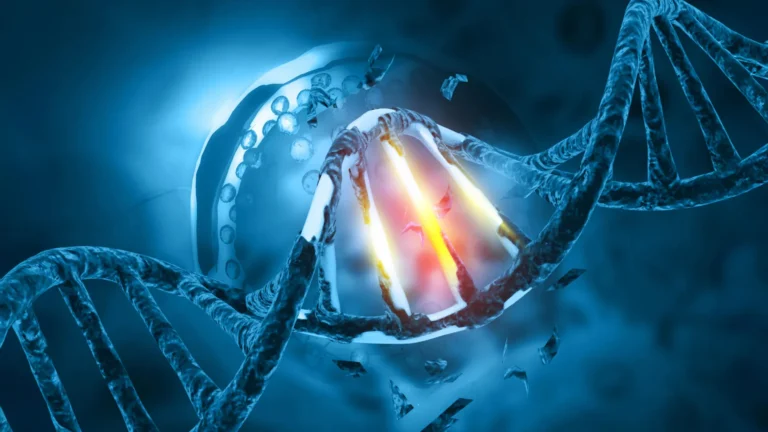
The team performed high-throughput DNA sequencing on tumors representing a wide spectrum of malignancies—including cancers of the blood, bones, lungs, skin, gastrointestinal tract, and the central nervous system. This exhaustive profiling allowed the researchers to identify specific somatic mutations—genetic “typos” that occur in tumor cells—that drive the uncontrolled growth of cancer.
Chronology of Discovery: From Clinical Observation to Genomic Breakthrough
The journey toward this landmark publication was years in the making, marked by several critical phases of development:
- The Diagnostic Gap (Prior to 2020): For years, veterinary oncologists operated in a data-poor environment. While human cancer research had moved toward personalized, mutation-targeted therapies, feline cancer care remained largely reliant on broad-spectrum chemotherapy and surgery.
- Formation of the Consortium: Recognizing that the scale of the problem required international cooperation, the Wellcome Sanger Institute and the University of Guelph spearheaded an alliance. The goal was to aggregate enough data to achieve statistical significance—something individual veterinary practices could never accomplish alone.
- The Sequencing Phase (2021–2023): Over two years, the team analyzed nearly 500 feline tumors. The sheer volume of data required advanced bioinformatics to filter out “passenger” mutations (those that are incidental) from “driver” mutations (those that cause the cancer).
- The Identification of FBXW7 (2023): The breakthrough moment occurred when researchers pinpointed the FBXW7 gene as a primary driver in feline mammary tumors.
- Validation and Peer Review (2024): The findings were subjected to rigorous scrutiny, ensuring that the cross-species comparisons between feline and human tumor biology were statistically robust.
- Publication (2024): The study’s release in Science marked the official transition of feline oncology into the era of precision medicine.
Supporting Data: The Feline-Human Genetic Nexus
One of the most profound revelations of the study is the high degree of genetic overlap between cats and humans. While cats and humans diverged evolutionarily millions of years ago, the fundamental pathways that regulate cell division and DNA repair remain highly conserved.
The FBXW7 Connection
The most significant finding centered on feline mammary carcinomas. Researchers discovered that more than 50% of these tumors contained mutations in the FBXW7 gene. In human breast cancer research, FBXW7 mutations are well-documented and are consistently associated with aggressive disease progression and poorer clinical outcomes.
This observation is not merely a scientific curiosity; it is a clinical bridge. Because the mutation profiles are so similar, researchers can now use existing human cancer data to predict how feline patients might respond to specific drugs, and vice versa.
Environmental Shared Risks
The study also touched upon the "One Medicine" concept, noting that cats and humans share the same living environments. Because domestic cats breathe the same air, walk on the same floors, and consume water from the same sources as their owners, they are exposed to the same environmental carcinogens. The researchers posit that by monitoring feline cancer rates and genetic signatures, they may uncover environmental triggers that were previously overlooked in human epidemiological studies.
Official Responses and Expert Perspectives
The research has been met with widespread acclaim from the scientific community, viewed as a transformative milestone for veterinary medicine.
Dr. Geoffrey Wood, co-senior author of the study and professor of pathobiology at the University of Guelph, expressed relief and optimism: “Despite domestic cats being common pets, there was very little known about the genetics of cancer in these animals until now. This study can help us understand more about why cancer develops in both cats and humans, how the world around us influences cancer risk, and possibly find new ways to prevent and treat it.”
Dr. Sven Rottenberg of the University of Bern emphasized the power of the project’s scale: “Having access to such a large set of donated tissues allowed us to assess drug responses across tumor types in a way that hasn’t been possible at this scale before. We are no longer guessing; we are looking at specific molecular targets.”
Dr. Louise Van Der Weyden, senior author at the Wellcome Sanger Institute, highlighted the long-term clinical potential: “We can now begin to take the next steps forward towards precision feline oncology, to catch up with the diagnostic and therapeutic options that are available for dogs with cancer, and ultimately one day, humans.”
Implications: The Future of Precision Feline Oncology
The implications of this study reach far beyond the laboratory. By creating an open-source, genetic resource for feline tumors, the study authors have provided a roadmap for future veterinary oncologists.
Toward Personalized Treatment
In the immediate future, this research enables the development of "companion diagnostics"—tests that can tell a veterinarian exactly which mutations are driving a cat’s tumor. If a cat’s tumor tests positive for an FBXW7 mutation, the veterinarian can now potentially select a chemotherapy regimen known to be more effective for that specific genetic profile, rather than relying on a “one-size-fits-all” approach.
Cross-Species Benefits
The study creates a bidirectional flow of information.
- Veterinary Benefit: Cats will receive more effective, less toxic treatments, reducing the suffering associated with ineffective chemotherapy cycles.
- Human Benefit: Because cats are naturally occurring models of cancer (unlike mice, which are often genetically engineered to develop disease), they provide a more accurate representation of how cancer evolves in a complex, real-world environment. Clinical trials in cats could provide early data that helps human researchers fast-track the development of new anti-cancer drugs.
A New Era of Collaboration
The project highlights the vital importance of the "One Medicine" approach. By breaking down the silos between human medical research and veterinary science, humanity can tackle cancer as a shared threat. The involvement of organizations like the EveryCat Health Foundation and the Swiss National Science Foundation underscores the global commitment to this integrated vision of health.
As this research moves from the pages of Science into clinical practice, it promises to redefine the bond between humans and their feline companions. For the millions of cat owners whose lives are touched by the heartbreak of a cancer diagnosis, this study offers something that was previously in short supply: a tangible, evidence-based hope for a cure.