









The landscape of physical culture is undergoing a seismic shift. For decades, the fitness industry was dominated by the "no pain, no gain" ethos—a mantra that prioritized high-intensity interval training (HIIT), heavy powerlifting, and explosive plyometrics. However, as we move through 2026, a new paradigm has emerged. Data from the Fitness Journal (2026, Issue 7) and recent studies from the American College of Sports Medicine (ACSM) indicate that low-impact training is no longer merely a "rehabilitative" niche; it has become the gold standard for sustainable health, longevity, and long-term athletic adherence.
Main Facts: The Shift Toward Sustainable Movement
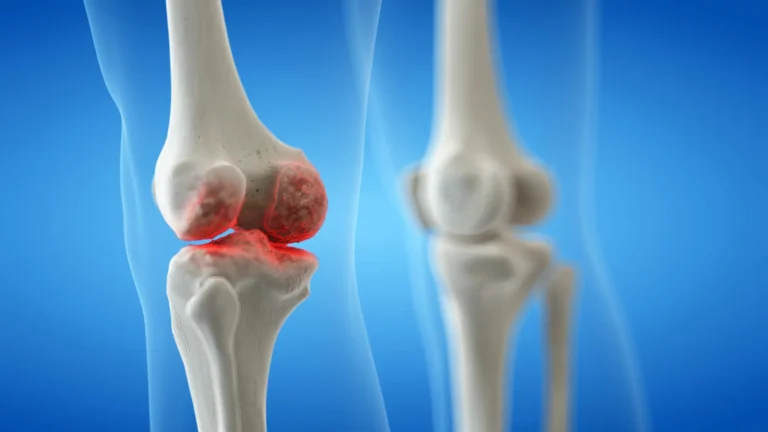
Low-impact training is characterized by exercises that minimize the mechanical stress placed on joints, ligaments, and tendons. Unlike high-impact activities such as running on asphalt or jumping-heavy box drills, low-impact modalities—including swimming, cycling, rowing, walking, and specialized low-impact interval formats—allow the body to achieve significant metabolic benefits without the repetitive wear-and-tear associated with high-impact forces.
The primary driver of this movement is a shift in the definition of "effective" exercise. Increasingly, fitness professionals and their clients are decoupling the concepts of "intensity" and "impact." It is now widely accepted that one can achieve profound cardiovascular conditioning and muscular endurance while maintaining a low-impact profile. This approach is gaining traction not just among aging populations, but among younger athletes who are increasingly wary of the early-onset joint degradation often associated with over-training in high-impact environments.
Chronology: The Evolution of the "Low-Impact" Narrative
The transition toward sustainable fitness did not happen overnight. To understand the current landscape, one must look at the progression of the fitness industry over the last decade:
- 2016–2019: The High-Intensity Peak: During this period, the industry was dominated by the rapid expansion of boutique studios offering high-intensity interval training. The market was driven by the promise of rapid fat loss and high-calorie expenditure in short timeframes.
- 2020–2022: The Pandemic Reset: The global lockdowns forced a rethink of exercise. As home gyms became the norm and public gym access was restricted, many individuals discovered the utility of low-impact home equipment like rowing machines and stationary bikes. Concurrently, the rise of "walking for mental health" became a cultural phenomenon.
- 2023–2024: The Recovery Focus: As the world returned to normal, the cumulative effects of high-intensity, high-impact routines began to manifest as widespread burnout and chronic injury rates. Professionals began emphasizing recovery, mobility, and functional movement patterns.
- 2025–2026: The Sustainability Mandate: The publication of key studies, including Piercy et al. (2025) in Current Sports Medicine Reports, provided the scientific framework for a shift in programming. Fitness programs are now being designed with a "lifespan" perspective, prioritizing consistency and injury prevention over short-term physiological "shocks."
Supporting Data: The Science of Longevity
The empirical backing for low-impact training has never been stronger. According to the 2025 ACSM report, Exercise Programming Trends: Low-Impact Training and Long-Term Adherence, the dropout rate for individuals engaged in low-impact programming is significantly lower than that of high-intensity, high-impact cohorts.
The data suggests three critical advantages to low-impact programming:
- Reduced Systemic Inflammation: High-impact exercises often trigger a higher inflammatory response, which, while beneficial in short, controlled doses, can lead to systemic fatigue and chronic injury when performed in excess. Low-impact training allows for more frequent training sessions with shorter recovery windows.
- Increased "Exercise Density": By reducing the need for long recovery periods between high-impact sessions, clients can actually increase their overall weekly training volume. This "consistency of load" is a superior predictor of metabolic health and cardiovascular fitness than the "intensity of load."
- Cross-Generational Efficacy: The 2025 study by Piercy, Troiano, and Ballard confirms that low-impact activity is the most effective vehicle for maintaining physical activity across the lifespan. By removing the barrier of joint pain, participants remain active well into their 70s and 80s, effectively delaying the onset of sarcopenia and age-related mobility decline.
Official Perspectives and Professional Responses
The shift in training philosophy has been welcomed by leaders in the medical and fitness communities. Dr. Elena Vance, a consultant for the ACSM, notes: "For years, we encouraged clients to push through the soreness. We now understand that soreness is not a performance metric—it is a signal. By utilizing low-impact modalities, we can push the heart and lungs to their absolute limits without compromising the structural integrity of the skeleton."
Furthermore, personal trainers and coaches are undergoing a certification shift. The focus is moving away from "How many calories can we burn in 30 minutes?" toward "How can we design a program that this client can follow for the next thirty years?" This shift has led to the integration of heart-rate zone training with low-impact equipment, allowing for precise metabolic conditioning without the need for high-impact jumping or heavy pounding on the pavement.
Implications: The Future of the Fitness Industry
The widespread adoption of low-impact training carries significant implications for both the individual and the industry at large.
1. The Death of the "Weekend Warrior"
The high-impact, high-intensity model often fostered "weekend warrior" syndrome, where sedentary individuals would attempt extreme physical feats on the weekend, leading to acute injuries. The new focus on low-impact, sustainable training encourages daily, moderate movement, which is physiologically superior for insulin sensitivity and long-term weight management.
2. Infrastructure and Equipment Design
Manufacturers are taking note. We are seeing a boom in high-end, silent, low-impact home equipment. From magnetic-resistance rowers to ergonomic stationary bikes that mimic road cycling, the gear is becoming more accessible and more sophisticated. Gyms are also reallocating floor space, reducing the footprint of heavy, high-impact jump platforms in favor of expanded areas for low-impact conditioning tools.
3. A New Definition of Athleticism
Perhaps the most significant implication is cultural. We are moving away from the aesthetic-focused, high-impact fitness culture that dominated the early 21st century. Athleticism is being redefined to include mobility, joint health, and the ability to train pain-free. This is not a "soft" approach to fitness; rather, it is a "smart" approach. It acknowledges that the body is an asset that must be maintained, not a tool to be exhausted.
Conclusion: Designing for the Long Game
The trend toward low-impact training is not a temporary fad; it is a fundamental correction in the fitness industry. By prioritizing movement patterns that support the joints rather than challenge them, the fitness community is fostering a culture of longevity. As individuals look to maximize their quality of life, the data is clear: consistency, supported by low-impact activity, is the ultimate secret to physical peak performance.
Whether it is a brisk walk through the park, a structured session on a rower, or a low-impact interval class at a local gym, the message is consistent: training hard is important, but training long is essential. In 2026, the strongest person in the room is no longer the one who can jump the highest or lift the heaviest—it is the one who can move with grace, consistency, and, most importantly, without pain.
As we look toward the remainder of the decade, the focus remains on the synthesis of science and practice. With the backing of the American College of Sports Medicine and the evolving standards of the Fitness Journal, the path forward is clear: build a foundation of low-impact movement today to ensure a lifetime of health tomorrow.