










In a significant contribution to the growing body of nutritional science, a comprehensive meta-analysis published in the journal BMJ Nutrition Prevention & Health has identified a clear, actionable link between the regular consumption of legumes and soy-based foods and a reduced risk of developing hypertension. As global rates of high blood pressure continue to climb, this study provides a compelling, evidence-based argument for shifting dietary patterns toward plant-derived protein sources to combat a condition that remains a leading cause of cardiovascular morbidity worldwide.
The Core Findings: A Dietary Shield Against Hypertension
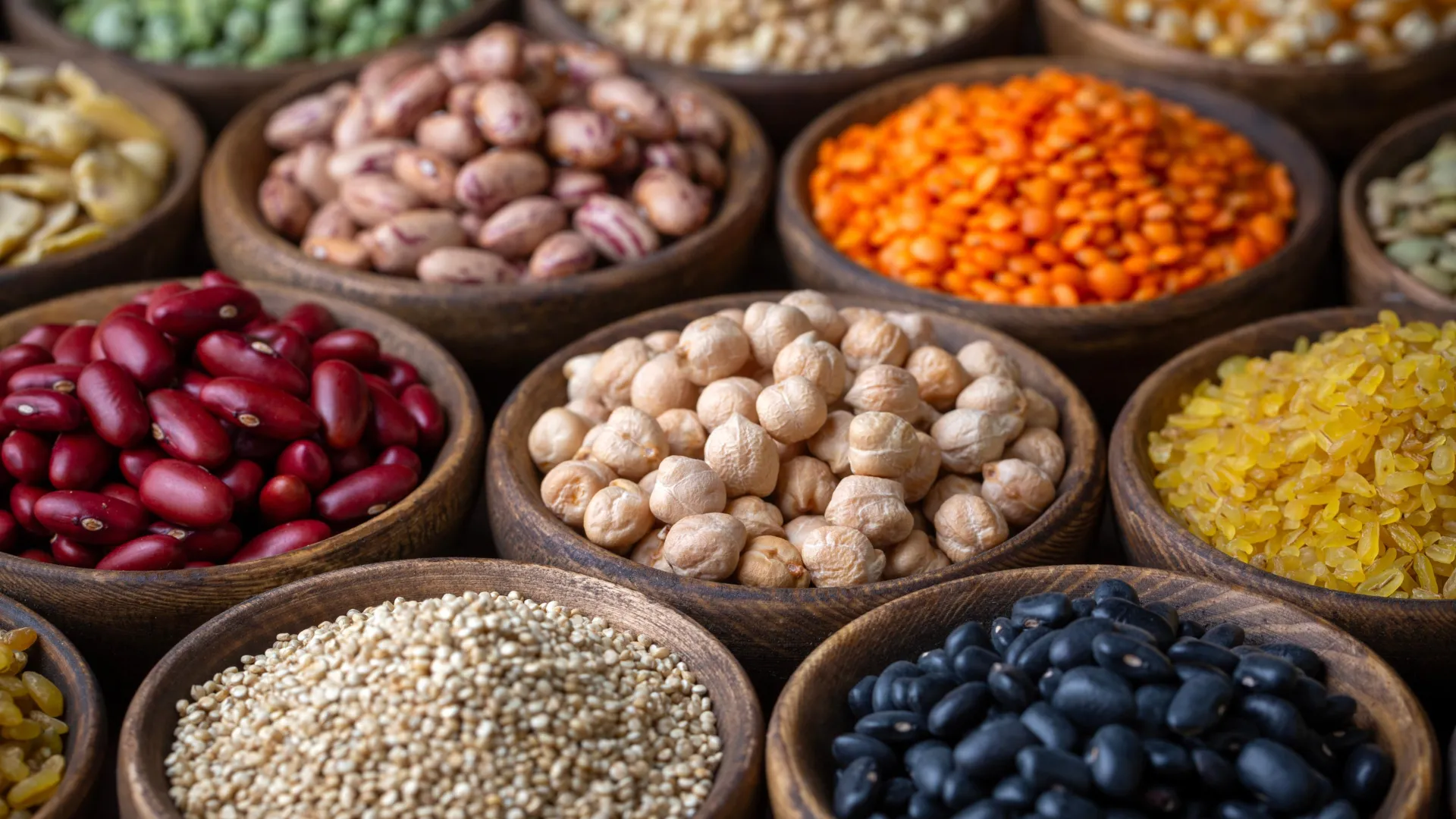
The researchers, who conducted an exhaustive review of long-term observational data, have provided what they describe as a "probable causal relationship" between the consumption of specific plant-based proteins and the maintenance of healthy blood pressure levels. The study highlights that individuals who regularly incorporate foods such as beans, lentils, chickpeas, tofu, edamame, and soy milk into their diets are significantly less likely to develop the chronic condition of high blood pressure.
The data suggests a distinct "dose-response" relationship. For legumes—which include peas, lentils, chickpeas, and various beans—the protective effect against hypertension intensifies as intake increases, peaking at approximately 170 grams per day. At this level, the risk reduction reaches as high as 30%. For soy-based products—including tofu, tempeh, miso, and soy milk—the therapeutic window is more concentrated, with the most significant benefits appearing at a daily intake of 60 to 80 grams, yielding a risk reduction of roughly 28% to 29%. Notably, the study found that increasing soy consumption beyond this 80-gram threshold did not yield additional protective benefits, suggesting a saturation point for the physiological mechanism involved.
A Chronological Journey: Synthesizing Global Data
To arrive at these conclusions, the research team undertook a rigorous meta-analysis of data spanning several decades. While previous studies have long suggested that plant-based proteins are conducive to heart health, the specific evidence linking them to blood pressure control had historically been fragmented and inconsistent.
To bridge this gap, the researchers set out to synthesize evidence from studies published up to June 2025. The final selection included 10 high-quality papers representing data from 12 long-term observational studies. The scope of the research was truly global, drawing from populations across three continents:
- The Americas: Five studies conducted in the United States provided a Western perspective on dietary habits.
- Asia: Five studies from China, Japan, South Korea, and Iran offered insight into regions where soy consumption is historically higher and more culturally integrated.
- Europe: Two studies from France and the United Kingdom provided critical data from regions where current dietary trends often fall well short of recommended legume intake.
The diversity of the data set was substantial, encompassing participants ranging from small cohorts of 1,152 individuals to massive population-wide studies involving up to 88,475 participants. By pooling data that covered both single-gender and mixed-gender cohorts, the researchers were able to mitigate individual demographic biases, resulting in a robust statistical model that highlights the universal potential of these foods.
Supporting Data: The Biological Mechanics of Protection
The research does not merely establish a correlation; it also outlines the biological mechanisms that make legumes and soy so effective in protecting cardiovascular health. According to the study, the benefits are rooted in the dense nutritional profile of these plant foods.
1. Micronutrient Density
Legumes and soy are potent sources of potassium and magnesium. Potassium plays a critical role in balancing sodium levels in the body, which is a primary driver of high blood pressure. Magnesium, meanwhile, is essential for the relaxation of blood vessel walls, ensuring smooth blood flow and preventing the constriction that leads to hypertension.
2. Fiber and Gut Health
The study emphasizes the role of dietary fiber, specifically soluble fiber. When consumed, this fiber is fermented by gut bacteria to produce short-chain fatty acids (SCFAs). These compounds are increasingly recognized for their systemic effects, including the ability to help blood vessels relax and widen, thereby reducing peripheral resistance and overall blood pressure.
3. Isoflavones and Phytochemicals
Soy products contain unique plant compounds known as isoflavones. These compounds have been the subject of extensive cardiovascular research, with findings suggesting they help maintain endothelial function—the ability of blood vessels to expand and contract properly. This combination of fiber, minerals, and specific plant compounds appears to create a synergistic effect that promotes long-term vascular health.
Official Responses: Expert Perspectives on Public Health
The publication of these findings has drawn praise from the scientific community, particularly regarding the study’s implications for public health policy. Professor Sumantra Ray, chief scientist and executive director of the NNEdPro Global Institute for Food, Nutrition and Health, emphasized the importance of the study’s dose-response analysis.
"This research strengthens the evidence base for the cardioprotective benefits of plant-based diets," Professor Ray remarked. "The authors have significantly added to the case for using legumes and soy as primary dietary strategies to mitigate the global burden of hypertension."
Professor Ray noted that the study provides a practical roadmap for clinicians. By identifying that 100 grams of legumes (roughly one cup or a small handful) constitutes a meaningful serving size, the study offers clear, actionable advice that can be incorporated into patient counseling and national dietary guidelines. However, he also urged caution, noting that while the results are promising, there are always "unmeasured factors"—such as overall lifestyle, exercise habits, and genetics—that play a role in cardiovascular health. He specifically pointed to the "plateau" effect observed in soy consumption, noting that future research must clarify whether this limit is a biological reality or a limitation of the data currently available.
Implications for Global Dietary Policy
Perhaps the most startling aspect of the report is the stark contrast between current consumption patterns and the levels required for optimal health. In many Western nations, particularly within the UK and Europe, average daily intake of legumes languishes at a mere 8 to 15 grams per day. This is a dramatic departure from the 65 to 100 grams required for basic cardiovascular health, let alone the higher levels associated with the 30% risk reduction identified in the study.
The authors of the study stress that the findings have "major public health implications." As hypertension continues to be a silent killer—often asymptomatic until it results in a stroke, heart attack, or kidney failure—the shift toward a diet rich in beans, lentils, and soy represents a low-cost, highly accessible intervention.
Bridging the Gap
The researchers suggest that the primary challenge is not the science, but the implementation. Bridging the gap between the current 15g average intake and the 100g+ goal requires a multi-pronged approach:
- Educational Reform: Public health campaigns must move beyond general advice and provide specific, practical guidance on how to prepare and incorporate legumes into daily meals.
- Culinary Integration: Encouraging the use of soy-based proteins as staples rather than "alternative" products can help normalize these foods in Western diets.
- Policy Intervention: The researchers call for governments to prioritize legumes as healthy protein sources in national dietary guidelines, potentially incentivizing the production and consumption of these crops.
Study Limitations and Future Directions
While the study is a milestone in nutritional epidemiology, the authors remain transparent about its limitations. The included studies varied significantly in how they defined "legumes" and "soy foods," as well as how they measured hypertension. Furthermore, the preparation methods—such as the difference between boiled lentils and canned beans in salty brine—could influence health outcomes in ways that the current data did not fully capture.
"Although further large-scale cohorts are needed for confirmation," the researchers concluded, "these findings provide further evidence in support of dietary recommendations to the public to prioritize and integrate legumes and soy foods as healthy protein sources in the diet."
As the global medical community continues to look for non-pharmacological strategies to address the epidemic of chronic disease, this analysis serves as a powerful reminder that the most potent medicine is often found on our dinner plates. By simply swapping a portion of processed protein for a serving of chickpeas, edamame, or lentils, individuals may be able to significantly shift their cardiovascular trajectory, proving once again that simple, plant-based choices are the bedrock of long-term health.