









In the quest for healthy aging, science has often looked to the gut microbiome to unlock the secrets of longevity. However, a groundbreaking series of studies from the University of Exeter is shifting the spotlight upward—directly to the oral cavity. Researchers have discovered that the secret to regulating blood pressure in older adults may lie in a delicate, symbiotic relationship between the bacteria living in our mouths and the nitrate-rich vegetables we consume.
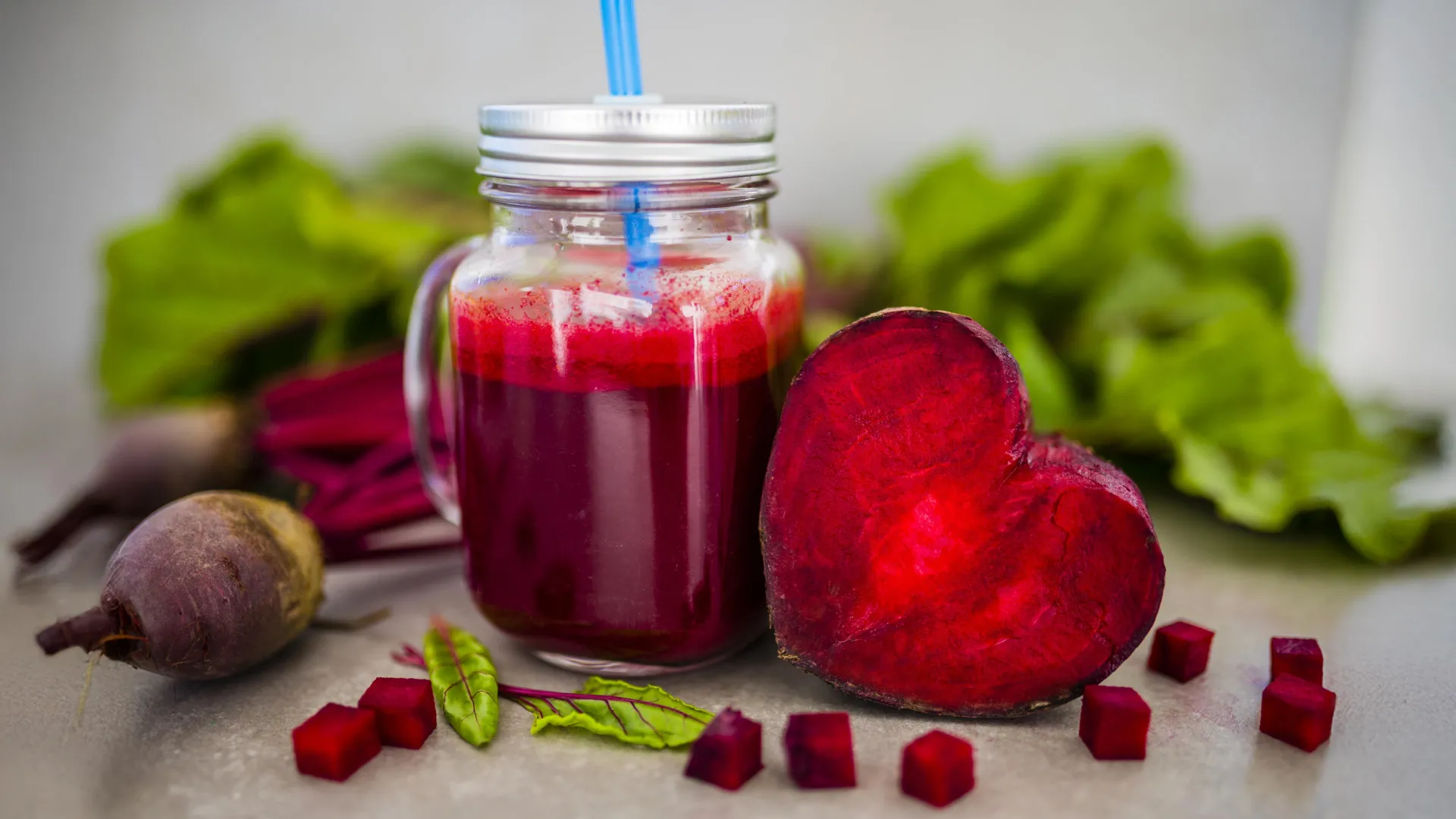
This research, published in Free Radical Biology and Medicine, suggests that a simple, daily routine involving nitrate-rich beetroot juice can act as a biological "key," unlocking a pathway that produces nitric oxide—a vital molecule that keeps blood vessels relaxed and functional. As we age, our natural ability to produce nitric oxide declines, contributing to the rise in blood pressure often seen in older populations. By strategically managing the oral microbiome, scientists believe we may have discovered a potent, non-pharmacological tool to support cardiovascular health.
The Science of the Nitrate-Nitric Oxide Pathway
To understand why beetroot juice is suddenly a focal point of cardiovascular research, one must first understand the "nitrate-nitrite-nitric oxide" pathway. Dietary nitrate, abundant in vegetables like beetroot, spinach, arugula, fennel, celery, and kale, is ingested and then absorbed into the bloodstream. However, the body cannot process this nitrate into the health-promoting molecule nitric oxide on its own.
The process begins in the mouth. When we chew nitrate-rich vegetables, specific species of oral bacteria act as "biochemical factories." They reduce nitrate into nitrite, which is then swallowed and converted into nitric oxide in the acidic environment of the stomach or the blood. Nitric oxide is a potent vasodilator, meaning it causes the smooth muscles in the walls of blood vessels to relax, thereby lowering blood pressure.
As people age, their blood vessels often become stiffer and their endogenous production of nitric oxide diminishes. This creates a "double-hit" effect: the vessels become less efficient at regulating pressure, and the natural chemical signals that would normally prompt them to relax are in short supply. The Exeter research suggests that by "feeding" the right oral bacteria with dietary nitrate, we can artificially boost this pathway, effectively compensating for age-related declines.
A Two-Week Clinical Trial: Methodology and Findings
The study, led by the University of Exeter, was designed to test whether dietary nitrate could fundamentally reshape the oral microbiome in a way that benefits cardiovascular health. The trial recruited 75 participants: 39 adults under the age of 30 and 36 adults in their 60s and 70s.
The Experimental Protocol
The participants engaged in a rigorous, two-phase crossover study. In one phase, they consumed a nitrate-rich beetroot juice twice daily for two weeks. In the other phase, they consumed a placebo juice from which the nitrate had been removed. A two-week "wash-out" period separated these phases to ensure that the effects of one treatment did not bleed into the other. Throughout the process, the research team utilized bacterial gene sequencing to monitor the shifts in the oral microbiome.
Divergent Results
The results were striking in their age-dependent disparity. While both younger and older adults experienced shifts in their oral microbial profiles, the functional outcomes were vastly different.
In the older cohort, the beetroot juice consumption led to a significant decrease in Prevotella—a genus of bacteria often associated with oral inflammation—while concurrently increasing the abundance of Neisseria, a genus associated with heart-healthy outcomes. Most importantly, the older participants—who began the study with higher average blood pressure than their younger counterparts—saw a meaningful reduction in their blood pressure readings after the nitrate-rich phase. This effect was entirely absent in the younger group, suggesting that the body’s physiological "need" for this pathway may be a critical factor in how the body responds to dietary intervention.
Implications for Cardiovascular Medicine
The Exeter findings do not suggest that a morning glass of beetroot juice is a panacea or a replacement for essential antihypertensive medication. Instead, they frame nutrition as a sophisticated, personalized intervention.
Professor Anni Vanhatalo, the study’s lead author, emphasizes that the strategy is about supporting a systemic biological process that naturally wanes over time. "We know that a nitrate-rich diet has health benefits, and older people produce less of their own nitric oxide as they age," Vanhatalo explains. "Encouraging older adults to consume more nitrate-rich vegetables could have significant long-term health benefits, potentially mitigating risks associated with heart attack and stroke."
This research also highlights a fascinating potential for "precision nutrition." Because the effectiveness of nitrate supplementation depends on the specific composition of a person’s oral microbiome, future dietary advice may eventually be tailored based on a patient’s unique bacterial profile. If someone lacks the specific bacteria needed to convert nitrate into nitrite, even the healthiest diet may not provide the desired cardiovascular protection.
The Role of Oral Hygiene and External Disruptors
The importance of the oral microbiome is further underscored by secondary research regarding oral hygiene products. A 2026 pilot study noted that the use of antiseptic mouthwashes, such as those containing chlorhexidine, can significantly disrupt this delicate nitrate-processing ecosystem. By killing the "good" bacteria responsible for nitrate reduction, common mouthwashes may inadvertently sabotage the body’s natural cardiovascular support system.
Follow-up research has reinforced this: a 2025 study in Scientific Reports using animal models found that while standard antiseptic rinses hampered nitrate processing, a specialized nitrate-and-antioxidant-fortified rinse helped preserve it. This suggests that in the future, we may need to reconsider the ingredients in our daily oral care routines to ensure we aren’t sterilizing the very microbes we need for heart health.
Official Responses and Expert Outlook
The broader scientific community has viewed these findings as a significant step forward in integrative biology. Dr. Lee Beniston of the BBSRC, which funded the project, praised the research for its "real-world benefits."
"This research is a great example of how bioscience can help us better understand the complex links between diet, the microbiome, and healthy aging," Dr. Beniston noted. "By uncovering how dietary nitrate affects oral bacteria and blood pressure in older adults, the study opens up new opportunities for improving vascular health through nutrition."
Professor Andy Jones, a co-author of the study, views this as a starting point for a new field of study. "This study shows that nitrate-rich foods alter the oral microbiome in a way that could result in less inflammation, as well as a lowering of blood pressure in older people," Jones stated. He points to future research directions that must now account for variables like biological sex, lifestyle habits, and baseline oral health, all of which likely modulate how an individual responds to dietary nitrate.
Toward a Future of Personalized Nutrition
The implications of this research are twofold. First, it validates the "food as medicine" approach, providing a clear biological mechanism for why vegetables like kale, spinach, and beetroot are essential for heart health. Second, it shifts our understanding of the mouth from a mere gateway for digestion to a critical control center for systemic vascular regulation.
As the research matures, we may see a transition from generic nutritional guidelines to individualized protocols. For an older adult with slightly elevated blood pressure, a clinician might eventually recommend not only a diet change but also a shift in oral hygiene habits and the tracking of specific oral bacterial markers.
Ultimately, the work from the University of Exeter serves as a reminder that the human body is an interconnected ecosystem. The bacteria in our mouths, the foods we choose to eat, and the health of our cardiovascular system are not independent variables. They are part of a complex, evolving dialogue that, if understood correctly, can be harnessed to ensure that our later years are marked by vitality rather than disease.
For now, the advice remains simple and evidence-backed: incorporate more nitrate-rich vegetables into your diet, be mindful of how your oral hygiene practices might affect your microbiome, and recognize that the path to a healthier heart may, quite literally, start at the lips.