









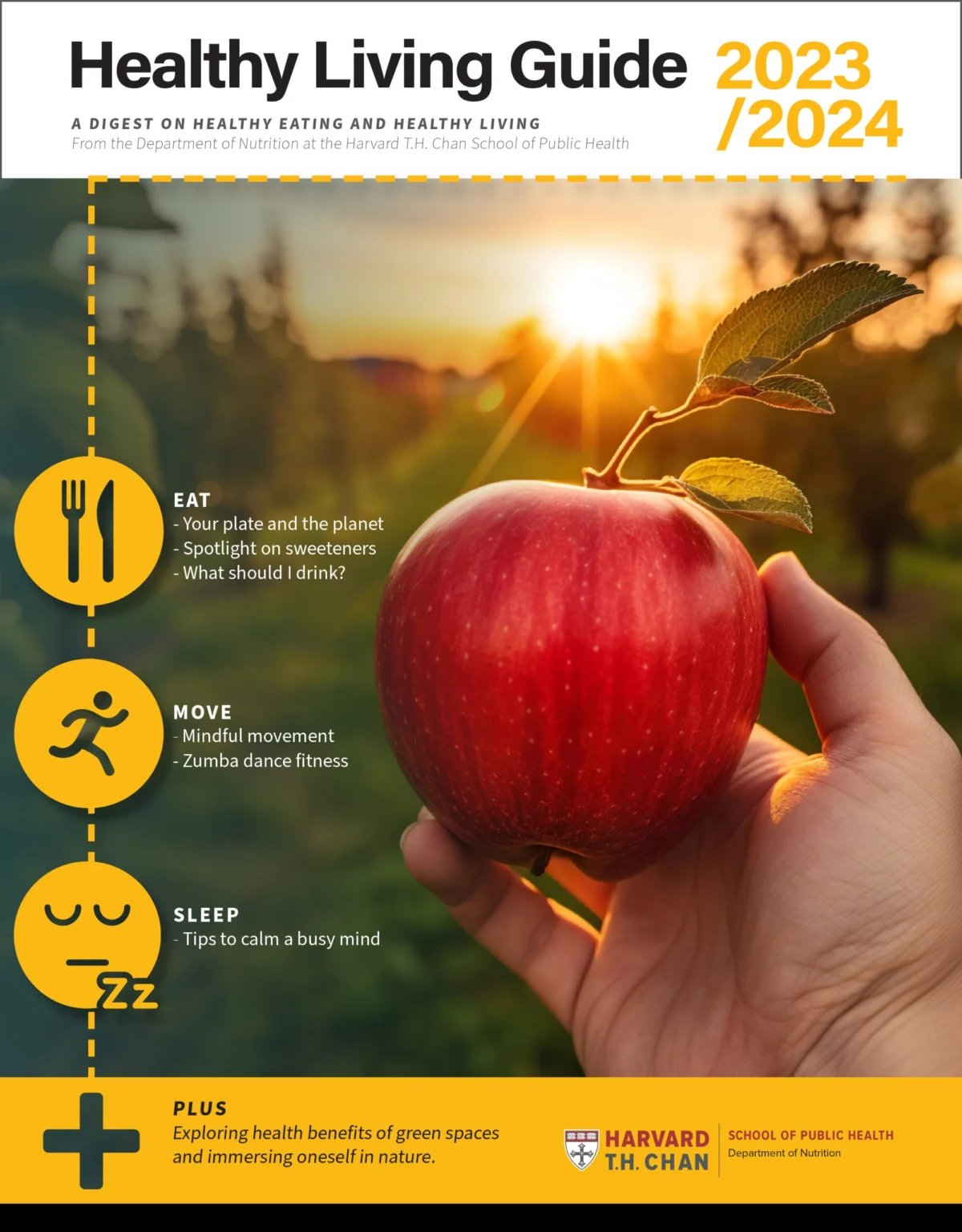
As the calendar turns to a new year, the quest for optimal health remains a primary objective for millions worldwide. To navigate the often-conflicting landscape of wellness trends and nutritional science, the Department of Nutrition at Harvard T.H. Chan School of Public Health has released its fourth annual Healthy Living Guide. This year’s edition is more than just a collection of dietary advice; it serves as a sophisticated blueprint for integrating mindful practices into the daily habits of individuals and populations alike.
Main Facts: A Holistic Approach to Wellness
The 2023-2024 Healthy Living Guide marks a pivotal evolution in how we conceptualize public health. At its core, the guide emphasizes that physical health is inextricably linked to mental clarity and environmental awareness.
The most significant development this year is the integration of research from the newly established Thich Nhat Hanh Center for Mindfulness in Public Health. By bridging the gap between ancient mindfulness traditions and modern epidemiological research, the guide argues that our relationship with food—how we source, prepare, and consume it—is as vital as the nutrients themselves.
Key pillars addressed in this edition include:
- Mindful Eating: Moving beyond calorie counting to understand the "cosmos" within our food, fostering a deeper connection between the individual, their diet, and planetary health.
- Nutritional Science: Cutting-edge evidence regarding the consumption of ultra-processed foods and their measurable impact on mental health.
- Physical Activity: Novel approaches to movement, including the physiological and psychological benefits of rhythmic exercise like Zumba.
- Sleep Hygiene: An exploration of "chronotypes"—the internal biological clocks that dictate our sleep-wake patterns—and how aligning lifestyle choices with these natural rhythms can prevent chronic disease.
Chronology: The Evolution of the Guide
The trajectory of the Healthy Living Guide mirrors the growing public demand for evidence-based wellness resources.
- 2020: The Department of Nutrition recognized the need for a simplified, authoritative digest to combat the misinformation rising during the early stages of the global health crisis. The inaugural guide focused on foundational nutrition and immunity.
- 2021-2022: The scope expanded to include comprehensive physical activity guidelines and the psychological impacts of sedentary lifestyles during periods of social isolation.
- 2023: A landmark year for the department, which saw the formal launch of the Thich Nhat Hanh Center for Mindfulness in Public Health. This institutional shift signaled a move toward a more holistic, systems-based approach to wellness.
- 2024: The release of the current edition, which synthesizes the past four years of research into a cohesive, actionable strategy for long-term health, emphasizing that wellness is not a static state but a dynamic, mindful practice.
Supporting Data: The Science Behind the Suggestions
The effectiveness of the Healthy Living Guide lies in its reliance on rigorous scientific data. Unlike lifestyle blogs that prioritize trends, this publication focuses on longitudinal studies and meta-analyses.
The Impact of Ultra-Processed Foods
Recent studies cited within the guide highlight a concerning correlation between the high intake of ultra-processed foods (UPFs) and a decline in cognitive health. Data suggests that these foods, often characterized by high sugar content, unhealthy fats, and synthetic additives, can exacerbate systemic inflammation. This inflammation is not only linked to physical ailments like cardiovascular disease but is increasingly recognized as a precursor to depressive symptoms and anxiety disorders.
Chronotypes and Circadian Health
The guide dives into the growing body of research surrounding circadian biology. Evidence indicates that humans operate on distinct "chronotypes"—early birds (larks), night owls, and intermediate types. The guide provides actionable advice on how to tailor meal timing and exercise schedules to match one’s specific chronotype. When an individual’s lifestyle conflicts with their biological clock, it often leads to "social jetlag," a condition associated with poor metabolic health and impaired sleep quality.
Movement as Medicine
Beyond the standard recommendations for 150 minutes of moderate aerobic activity per week, the guide investigates the efficacy of "mindful movement." Studies on participants engaging in rhythmic activities, such as Zumba, show that the combination of social interaction, music, and physical exertion leads to higher adherence rates compared to solitary gym routines. This supports the argument that enjoyment is a critical, yet often overlooked, variable in public health compliance.
Official Responses: The Philosophy of the Thich Nhat Hanh Center
The establishment of the Thich Nhat Hanh Center for Mindfulness in Public Health represents a major shift in institutional philosophy. Experts from the center have publicly articulated that the "apple in your hand is the body of the cosmos." This poetic assertion is rooted in the reality of the global food system.
"We are moving toward a model where public health is not merely the absence of disease, but the presence of vitality," says a spokesperson for the Department of Nutrition. "By applying mindfulness to our dietary choices, we are not only choosing better fuel for our bodies, but we are also making choices that support sustainable agricultural practices, which in turn benefits the planetary health of our entire species."
The center’s research agenda is currently focused on how to scale these individual mindful practices to influence policy, suggesting that if large populations adopt a more conscious approach to consumption, the economic and environmental pressure on the food industry will shift toward healthier, more sustainable outputs.
Implications for the Future of Public Health
The 2023-2024 Healthy Living Guide serves as a clarion call for a more integrated, thoughtful approach to living. The implications of its findings are far-reaching:
- Policy Shifts: The guide advocates for a shift in focus from calorie-based labeling to nutrient-density and environmental impact labeling. This could redefine how governments approach food subsidies and public health initiatives.
- Clinical Practice: Medical professionals are encouraged to look beyond diagnostic codes and consider the patient’s lifestyle, including their sleep chronotype and their relationship with the food environment, as primary components of the diagnostic process.
- Individual Empowerment: Perhaps most importantly, the guide empowers the individual. By providing printable tip sheets and actionable summaries, it removes the "gatekeeping" of high-level nutritional science, allowing everyday people to take charge of their health.
As we look toward the remainder of 2024, the Healthy Living Guide serves as a reminder that health is not a destination. It is a daily, deliberate act of mindfulness. Whether it is by adjusting one’s sleep schedule, choosing whole foods over ultra-processed snacks, or finding joy in movement, the guide provides the necessary tools for anyone—regardless of their starting point—to lead a more fulfilling and healthier life.
For those interested in applying these principles, the Department of Nutrition has made the full guide available as a downloadable PDF. The inclusion of interactive elements, such as knowledge tests based on previous years’ findings, ensures that the learning process remains engaging and cumulative. In an era of overwhelming information, the Healthy Living Guide stands as a beacon of clarity, reminding us that when we nurture ourselves, we contribute to the health of the world around us.