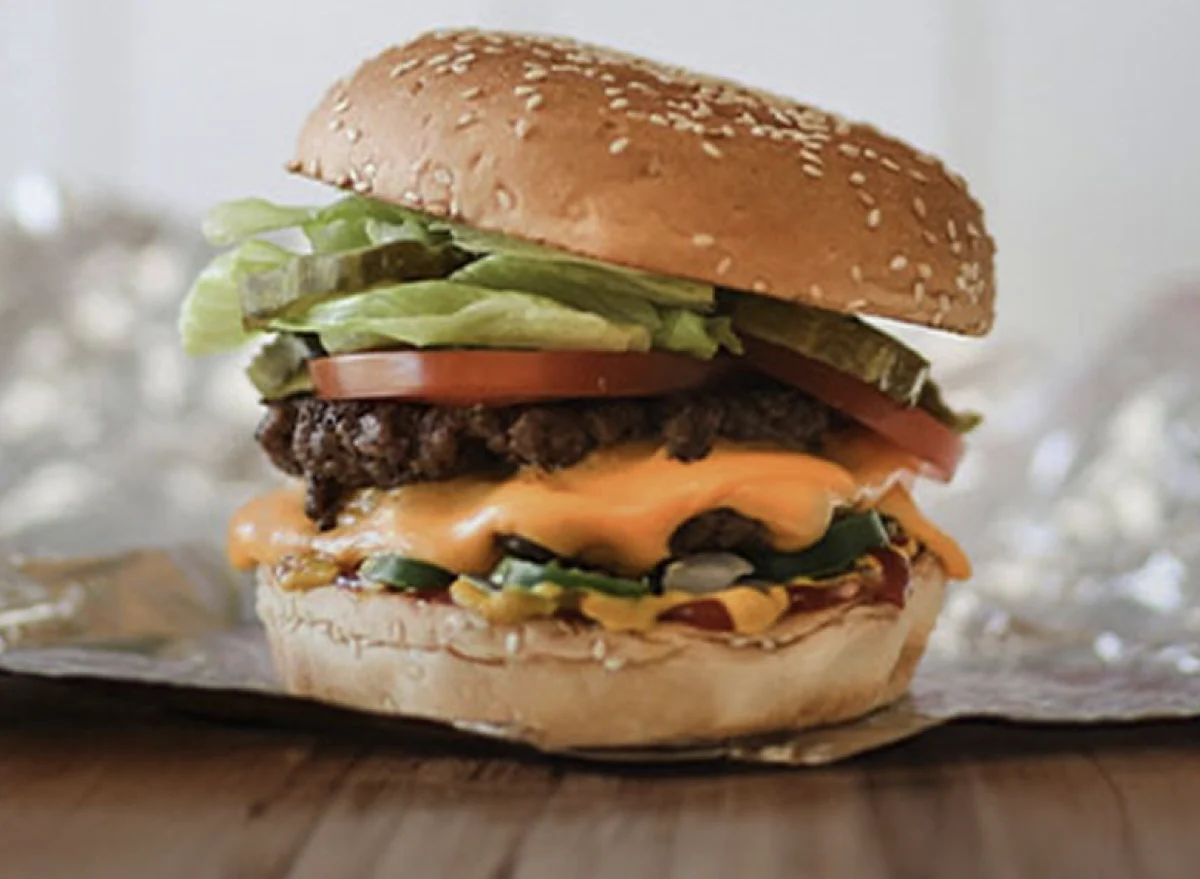
In an era defined by the rapid pace of convenience, the culinary landscape of fast food is undergoing a significant shift. For decades, the industry standard for many global giants relied on heat lamps, pre-cooked patties, and centralized distribution models that prioritized speed over texture and flavor. However, a growing cohort of restaurant chains is challenging this status quo by championing a "fresh-to-order" philosophy. For these brands, the sizzle on the grill must begin only after the customer has placed their order.
This report explores seven prominent burger chains that have built their reputations on the commitment to never serving a pre-cooked patty. By examining their sourcing, preparation techniques, and operational philosophies, we can understand why these establishments have earned the loyalty of millions of discerning diners.
1. Smashburger: The Art of the Sear
Smashburger has carved out a unique niche in the "better burger" category by leaning into a specific culinary technique. As their name implies, the brand utilizes a proprietary "smasher" tool that requires precision and timing.
The Methodology
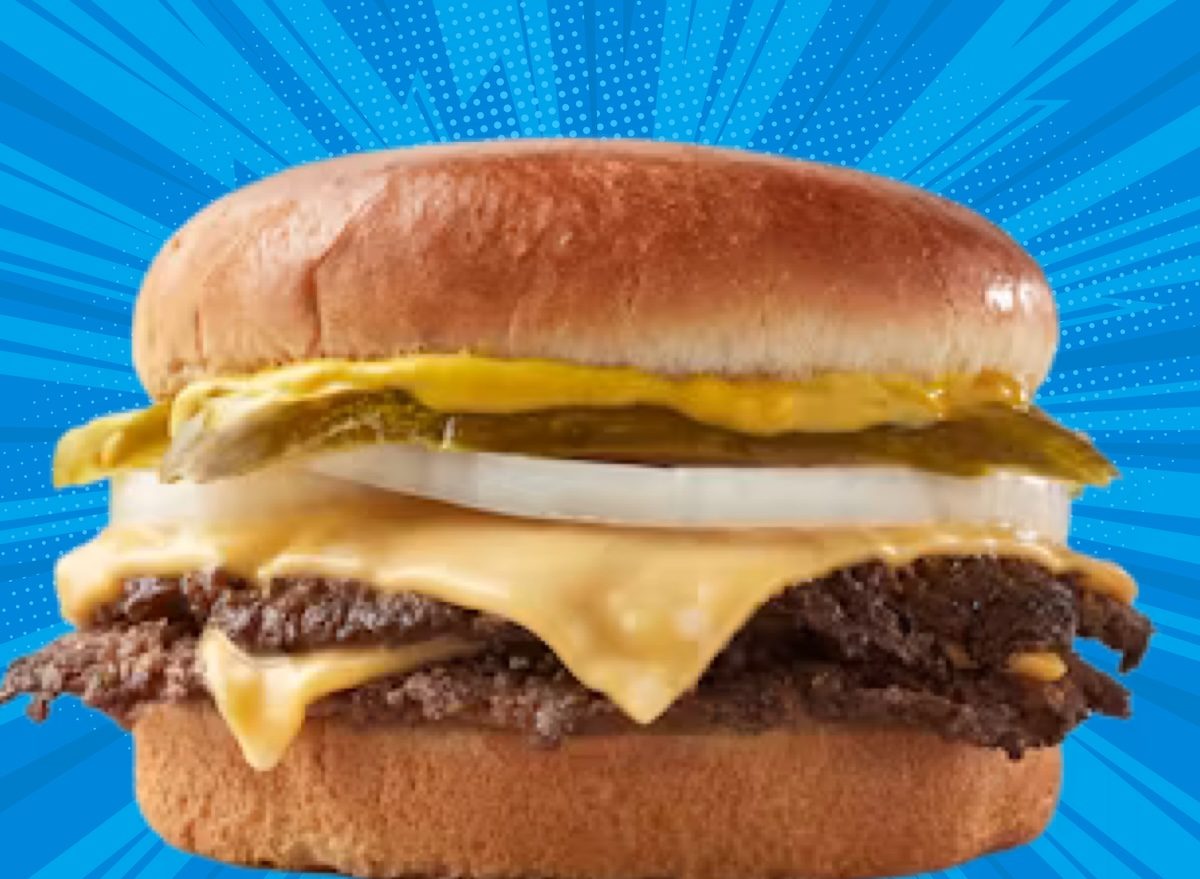
At the heart of the Smashburger operation is 100% Certified Angus Beef. Unlike traditional chains that cook patties to a uniform shape on a flat-top, Smashburger’s culinary teams place a ball of fresh beef onto a scorching hot grill and apply immediate, high-pressure force. This technique creates a Maillard reaction—a chemical process that results in a crispy, caramelized crust that seals the natural juices inside the patty.
Operational Transparency
Smashburger leans into transparency as a marketing pillar. By utilizing open-kitchen layouts, they allow customers to witness the "smashing" process firsthand. This visual confirmation serves as a guarantee that the meal is being prepared in real-time, reinforcing the brand’s promise that every order is crafted from scratch.
2. Freddy’s Frozen Custard & Steakburgers: A Commitment to Quality
Since its inception, Freddy’s has maintained a steadfast dedication to the "steakburger" aesthetic, which demands a thin, crispy-edged patty paired with premium toppings.
The "God Level" Burger
The brand has become a cult favorite across the United States, with fans frequently taking to digital forums to praise the consistency of their meals. The chain relies exclusively on 100% premium beef, and the operational protocol strictly mandates that no burger touches the grill until the order is received. This, according to loyalists, results in a flavor profile that stands in stark contrast to the mass-produced alternatives found in typical drive-thrus.
The Role of Frozen Custard
While the focus is on the savory, the pairing of a fresh-to-order steakburger with churned-to-order frozen custard creates a complete dining experience. By controlling both the temperature of the grill and the temperature of the dessert, Freddy’s manages to maintain a "freshness loop" that appeals to families and food enthusiasts alike.
3. The Habit Burger Grill: The Power of the Flame
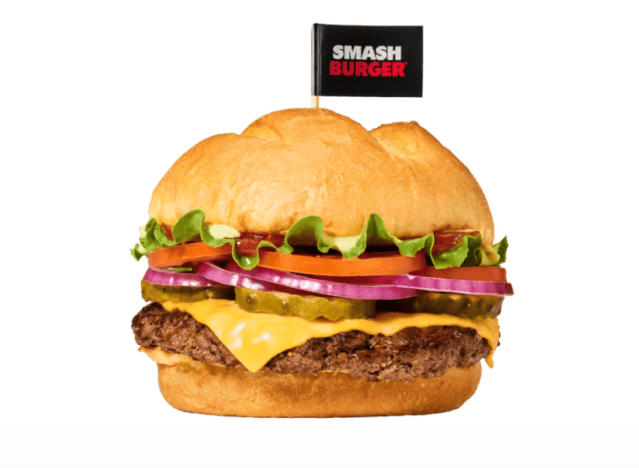
The Habit Burger Grill distinguishes itself through its unique cooking method: the open flame charbroiler.
Char-Grilling vs. Flat-Top
While many competitors rely on the contact heat of a griddle, The Habit utilizes an open-flame process that imparts a signature smoky flavor to the beef. According to industry analysts and consumer rankings, such as those published by Yelp, The Habit consistently ranks among the top tier of burger chains, largely due to this distinct flavor profile and their commitment to hand-forming patties.
Sourcing and Standards
The chain’s philosophy centers on the idea that high-quality beef does not require masking agents. By using 100% beef and grilling it to order over an open flame, the chain ensures that the smoke, the sear, and the internal moisture of the meat are perfectly balanced. This commitment has fostered a deep sense of brand loyalty, particularly in regions where the "char" flavor is highly prized.
4. Culver’s: The Wisconsin "ButterBurger" Promise
Culver’s, a Midwestern institution that has expanded its footprint across the nation, operates under a strict "fresh, never frozen" mandate.
The "Never Frozen" Policy
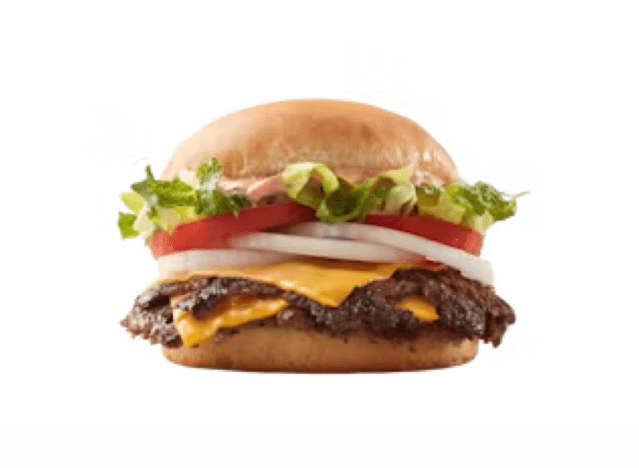
Culver’s sourcing strategy is a cornerstone of its business model. By sourcing beef from family-owned farms and delivering it to restaurants in a fresh state, they ensure that the integrity of the protein remains intact. The "ButterBurger" is named for the lightly buttered and toasted bun, but the true star is the beef, which is seared to order on a flat-top grill.
Implications of Regional Sourcing
The chain’s ability to maintain high quality while scaling significantly is a testament to their supply chain management. By focusing on fresh regional beef, they avoid the degradation of texture that occurs during the freezing and thawing cycles common in lower-tier fast-food chains.
5. Five Guys: The "No Freezer" Philosophy
Perhaps no chain is more famous for its rejection of modern convenience technology than Five Guys. Their operational handbook famously dictates that no freezers are permitted in their restaurants.
Operational Rigor
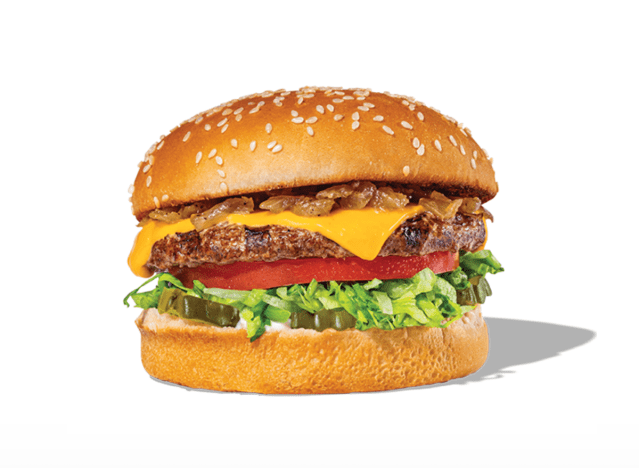
Five Guys enforces a strictly fresh-ingredient policy. Their ground beef is delivered fresh and must be cooked within a specific window to ensure optimal flavor. This extends to their potatoes, which are hand-cut daily on-site, and even their buns, which are baked according to a proprietary recipe and delivered to locations five days a week.
The Consumer Impact
The result of this logistical complexity is a product that feels distinctly "handmade." Because every ingredient—from the beef to the vegetables—is processed in-house, the customer receives a product that is entirely devoid of long-term preservation additives, resulting in a cleaner, more robust taste.
6. In-N-Out Burger: The Gold Standard of Freshness
In-N-Out Burger is widely regarded as the pioneer of the "no-freezer" movement in the American West.
The Technological Abstinence
In-N-Out’s refusal to use microwaves or freezers is not just a marketing ploy; it is a fundamental operational constraint that dictates their expansion strategy. Because their beef must be delivered fresh from company-owned distribution centers, their restaurants can only exist within a specific distance from those centers.
Quality Control
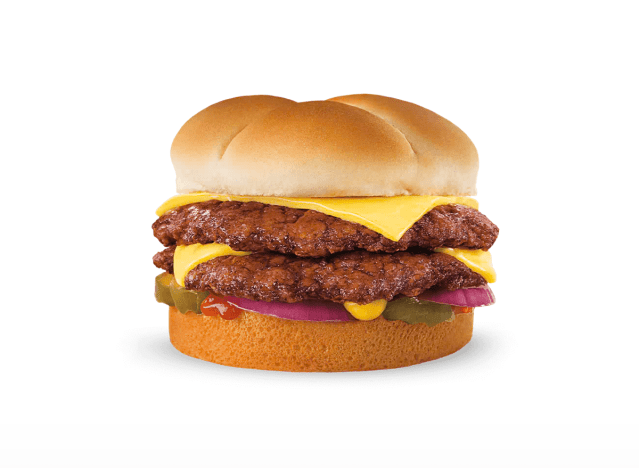
By maintaining vertical integration—owning the facilities that process their beef and produce their buns—In-N-Out ensures that every burger meets a rigid set of quality benchmarks. When a customer orders a "Double-Double," they are receiving a product that has been handled only by the restaurant staff, never by a mass-processing plant’s cold-storage chain.
7. Whataburger: A 24/7 Commitment
Texas-based Whataburger rounds out this list with a corporate manifesto that emphasizes 24/7 readiness without sacrificing quality.
The "Every Order" Rule
Whataburger is vocal about its process: no burger hits the grill until the order is placed. This is a significant logistical feat for a chain that operates 24 hours a day. By utilizing 100% fresh, never-frozen American beef and chopping vegetables in-house daily, they ensure that a burger ordered at 3:00 AM tastes as fresh as one ordered at noon.
Supporting Data: The Value of Freshness
The implication of these seven chains is clear: the modern consumer is increasingly willing to trade a few minutes of waiting time for a significantly higher-quality product. While the "fast" in "fast food" was once the primary selling point, the industry is pivoting toward "fresh food" as the ultimate competitive advantage.
Chronology of the Shift
The transition toward fresh-to-order models began in earnest in the late 20th century, led by pioneers like In-N-Out. As the "fast-casual" boom of the 2000s took hold, consumers began to demand higher quality ingredients. This shift forced legacy brands to either adapt their logistics to accommodate fresh beef or risk losing market share to the chains listed above. Today, the "fresh-to-order" model is no longer a luxury—it is the standard against which all other burger chains are measured.
Implications for the Future
The sustainability of the fresh-to-order model poses challenges for the industry. It requires more skilled labor, more complex supply chains, and higher overhead costs. However, the data suggests that these costs are offset by higher customer retention and brand equity. As consumers continue to prioritize health, transparency, and flavor, it is likely that the "fresh-to-order" philosophy will become the baseline expectation, eventually rendering the "heat lamp" era of fast food a relic of the past.
In conclusion, whether it is the "smashing" technique of Smashburger, the open-flame char of The Habit, or the strict no-freezer policies of Five Guys and In-N-Out, these seven chains have proven that the secret to a great burger is simple: start with fresh ingredients, and don’t turn on the grill until you know exactly who you are cooking for.