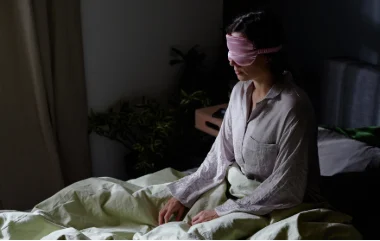











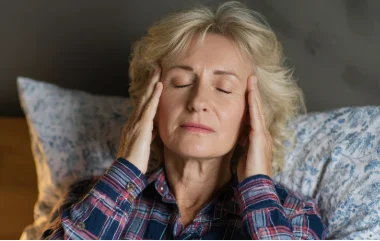
For millions of women worldwide, the transition through menopause is marked not only by hormonal shifts but by a pervasive, often debilitating disruption of their sleep architecture. While sleep is the cornerstone of physiological repair and cognitive function, the onset of the menopausal transition frequently transforms the night into a battleground of insomnia, thermal dysregulation, and persistent fatigue. New data underscores a sobering reality: for the vast majority of women, the "quiet hours" are becoming an increasingly restless experience that poses significant risks to long-term health.
The State of the Crisis: Main Facts
Recent survey data from the American Academy of Sleep Medicine (AASM) has brought the prevalence of menopausal sleep disruption into sharp focus. The statistics are unequivocal: more than one-third of women between the ages of 45 and 64 struggle with frequent nocturnal awakenings. Nearly as many—approximately 35%—contend with the physiological onslaught of night sweats and hot flashes, symptoms that act as immediate inhibitors of restorative sleep.
The clinical profile of the menopausal sleeper is characterized by a "triad of disruption": difficulty falling asleep (27% of women), the inability to maintain sleep (37%), and a crushing sense of daytime exhaustion (29%). Perhaps most telling is that only 6% of women report that their sleep patterns remain unaffected during this biological transition. This is not a niche issue; it is a systemic health challenge affecting between 40% and 60% of the demographic.
A Chronological Perspective: From Premenopause to Postmenopause
To understand why sleep disintegrates during this phase, one must look at the longitudinal nature of the female sleep cycle. The menopausal transition—spanning perimenopause, menopause, and postmenopause—represents a fundamental shift in the endocrine system.
- The Proactive Phase (Pre-transition): Clinical research indicates that sleep quality is not merely a product of current hormonal status but is deeply influenced by a woman’s sleep history. Women who experienced poor sleep hygiene, chronic stress, or undiagnosed sleep disorders in their 30s and early 40s are significantly more likely to experience exacerbated symptoms during the transition.
- The Perimenopausal Shift: As estrogen and progesterone levels begin to fluctuate, the body’s thermoregulatory center becomes hypersensitive. This is the stage where the initial "fragmentation" of sleep occurs. Women often report "light" sleep, where they are easily startled awake by minor environmental stimuli.
- The Menopausal and Postmenopausal Plateau: Once ovarian function ceases, the lack of progesterone—a hormone known for its calming, neuro-protective properties—can lead to increased anxiety and difficulty in maintaining deep, slow-wave sleep. If untreated, these patterns can calcify, leading to chronic insomnia that persists long after the initial hormonal fluctuations have stabilized.
Supporting Data: The Science of Disruption
The biological mechanisms driving these disturbances are rooted in the interplay between reproductive hormones and the brain’s sleep-wake centers. Estrogen, in particular, has been linked to the modulation of body temperature and the regulation of serotonin, a neurotransmitter essential for mood and sleep cycles. When estrogen levels decline, the body’s ability to manage its core temperature decreases, leading to the vasomotor symptoms—the dreaded "hot flashes"—that force the brain into a state of hyper-arousal.
Furthermore, sleep medicine experts point to the "Sleep-Health Gap." While the National Institutes of Health and various public health organizations maintain that adults require a minimum of seven hours of high-quality sleep to sustain cardiovascular, metabolic, and cognitive health, approximately 30% of women fail to meet this threshold. The data suggests a direct correlation: as sleep duration decreases, the risk of developing metabolic syndrome, weight gain, and insulin resistance—conditions already exacerbated by menopause—increases exponentially.
Official Responses and Clinical Perspectives
The medical community has, for too long, viewed sleep disturbances as a "normal" side effect of aging. However, the paradigm is shifting. Major health organizations, including the American Heart Association (AHA), have recently issued warnings linking sleep fragmentation during menopause to elevated risks of cardiovascular disease and stroke.
The consensus among specialists is that sleep should be treated as a "vital sign" during a woman’s midlife health checkup. Experts argue that dismissive attitudes toward menopausal insomnia—often categorized under "stress" or "life changes"—are a failure of clinical due diligence. The official stance of the sleep medicine community is that no woman should be forced to endure chronic sleep deprivation as a "rite of passage." Treatment modalities, ranging from Cognitive Behavioral Therapy for Insomnia (CBT-I) to Hormone Replacement Therapy (HRT) and targeted lifestyle interventions, are available and highly effective.
The Implications: A Matter of Long-Term Health
The implications of chronic sleep loss extend far beyond the morning cup of coffee. The "restorative deficit" caused by menopause has profound, long-term consequences:
- Cognitive Impact: Sleep is the time when the brain clears out metabolic waste. Consistent disruption is associated with a decline in executive function, including memory, focus, and decision-making capabilities—skills that are often critical for women in the peak of their professional and personal lives.
- Emotional Well-being: The link between sleep and mood is bidirectional. Poor sleep triggers irritability and depression, which in turn exacerbate sleep issues. For menopausal women, this cycle can lead to a significant decline in overall quality of life.
- Cardiovascular Risk: The most alarming implication is the impact on heart health. The loss of the protective effects of estrogen, combined with the stress of sleep deprivation, creates a "perfect storm" for hypertension and arterial inflammation.
- Economic and Social Costs: Beyond the individual, the societal cost of sleep-deprived women—manifesting as reduced workplace productivity and increased healthcare utilization—is a silent drain on the economy that has yet to be fully calculated.
Navigating the Future: Strategies for Restoration
While the challenges are systemic, the solutions are often granular and personal. Sleep medicine specialists advocate for a multi-pronged approach to reclaiming the night:
- Environmental Optimization: Lowering bedroom temperatures, utilizing moisture-wicking bedding, and employing "cooling" technology can mitigate the physical impact of night sweats.
- CBT-I (Cognitive Behavioral Therapy for Insomnia): This is widely considered the "gold standard" for treating sleep issues. It addresses the psychological patterns of worry and anticipation that often accompany middle-of-the-night awakenings.
- Hormonal Consultation: For many, the symptoms of menopause are severe enough to warrant medical intervention. Engaging with a specialist to discuss the risks and benefits of hormone therapy can be transformative, as it directly addresses the hormonal instability at the root of the problem.
- The "Sleep-First" Lifestyle: This involves rigorous adherence to sleep hygiene—limiting blue light exposure before bed, avoiding stimulants in the afternoon, and maintaining a strict circadian rhythm even on weekends.
Conclusion: Prioritizing the Night
The narrative surrounding menopause must change. It is no longer acceptable to treat insomnia as an unavoidable nuisance of the aging process. As research continues to solidify the link between sleep quality and long-term systemic health, it becomes clear that prioritizing rest is an act of proactive healthcare.
By acknowledging the physiological realities of this transition, seeking evidence-based treatment, and refusing to accept chronic fatigue as the status quo, women can navigate the menopausal transition with vitality. The path forward requires a shift in both clinical practice and personal habit: recognizing that the hours spent in bed are not "downtime," but rather the most important work a woman can do to protect her health for the decades to come. Sleep is not a luxury; it is the foundation upon which the next chapter of a woman’s life is built.