









For anyone who has dedicated themselves to the pursuit of peak performance—be it the grueling miles of an Ironman triathlon, the aesthetic discipline of bodybuilding, or the high-stakes mental endurance required to excel in modern professional life—the "cost of winning" is often measured in more than just sweat. It is measured in fragmented schedules, overlapping appointments, and a dizzying array of health data that rarely communicates with itself.
For Justin Hibbert, a six-year veteran of the Ironman circuit, this pursuit of optimization became a logistical and financial burden. At the height of his training, his regimen included a swim coach, a bike coach, a run coach, a strength coach, a concierge physician, and a hormone specialist. He was spending between $3,500 and $4,000 monthly, yet he found himself drowning in administrative labor. His experts worked in silos, unaware of each other’s protocols, leaving Hibbert to synthesize conflicting advice into actionable plans. It wasn’t just expensive; it was draining the very energy he was trying to harness.
This frustration—a common malaise in the modern wellness landscape—sparked an idea. In 2020, Hibbert envisioned a health club that would replace this chaotic, decentralized approach with a unified, precision-medicine ecosystem. Today, that vision is standing on a 22,000-square-foot site in Las Vegas, preparing to open its doors this winter as Everhaus.
The Philosophy: Synthesizing the Wellness Chaos
The wellness industry has reached a point of extreme saturation. Consumers are suffering from "optimization fatigue," caught between conflicting advice on supplement dosages, the efficacy of various bio-hacks, and the sheer number of health-tracking applications required to monitor progress.
"I think the world is going through fatigue when it comes to health, wellness, and technology right now," Hibbert explains. "Should I be taking creatine? Should it be five milligrams? Should it be ten? And then with technology, we’re having app fatigue. How many applications do you have to have on your phone just to accomplish the same thing?"
Everhaus aims to act as a singular clearinghouse for health management. Upon joining, members undergo a rigorous, comprehensive diagnostic intake via Aerwell, the club’s dedicated medical arm. This intake is not a superficial assessment; it includes exhaustive blood panels, genetic mapping, VO2 max testing, and DEXA scans to measure precise bone density, muscle mass, and body fat percentages.
Unlike traditional fitness centers, these diagnostics are not archived; they are the foundation of a living, breathing, and frequently updated protocol. Physicians and medical experts review these metrics quarterly, pivoting strategies based on data rather than trends.
A New Model: The Eight Pillars of Everhaus
Everhaus is built upon eight fundamental pillars designed to create an integrated, self-reinforcing health system: Assessment, Movement, Light, Oxygen, Infusion, Contrast, Touch, and Society.
The facility will house a range of advanced clinical and therapeutic modalities, including peptide therapy, hormone optimization, hyperbaric oxygen therapy (HBOT), red light therapy, sound wave therapy, and contrast baths. To streamline the experience, the club employs a proprietary AI system that syncs with a member’s existing wearables. This system manages scheduling and automates supplement reorders, effectively eliminating the "managerial load" that plagues high-performing individuals.
The leadership behind this operation is equally ambitious. Hibbert is currently finalizing the appointment of a Chief Medical Officer—a high-profile figure in the longevity space—who will chair a soon-to-be-announced medical advisory board. Notably, the board is being intentionally curated to prioritize female expertise, addressing the industry-wide deficit in longevity research tailored to women’s physiology.
Chronology: From the Las Vegas Nightlife to Human Longevity
To understand the operational brilliance behind Everhaus, one must look at Hibbert’s previous life. For 15 years, Hibbert was a fixture of the Las Vegas nightlife scene, rising to the position of Executive Director of VIP Marketing at Hakkasan. Managing one of the world’s most successful nightclubs, he oversaw teams responsible for the experiences of 4,000 to 6,000 guests every single night.
The nightlife environment, defined by excess and erratic schedules, served as the crucible for his eventual transition into health. "I started training for an Ironman because I wanted to quit drinking while working in nightlife, and I needed an excuse to tell my customers why I wasn’t going to party with them," he recalls.
His tenure at Hakkasan taught him the art of mass-scale personalization. In a nightclub, no two VIP tables have the same needs—a bachelorette party requires a different "vibe" and service touch than a high-stakes corporate dinner. Hibbert’s job was to make every guest feel seen, valued, and served with precision. This is the exact ethos he has translated into the health space: while every member may share the goal of longevity, the path to achieving it is biologically unique.
The Social Component: Solving the Isolation of Optimization
Perhaps the most poignant part of Hibbert’s journey occurred around his fifth year of Ironman training. He had successfully optimized his body to the 0.01%—he was physically perfect, yet emotionally hollow.
"I just never felt more alone in my entire life," Hibbert admits. "Physically, I was in incredible shape, but mentally and the way I felt inside was horrible. That side of being a human being was just completely zero. And I realized how important human connection was."
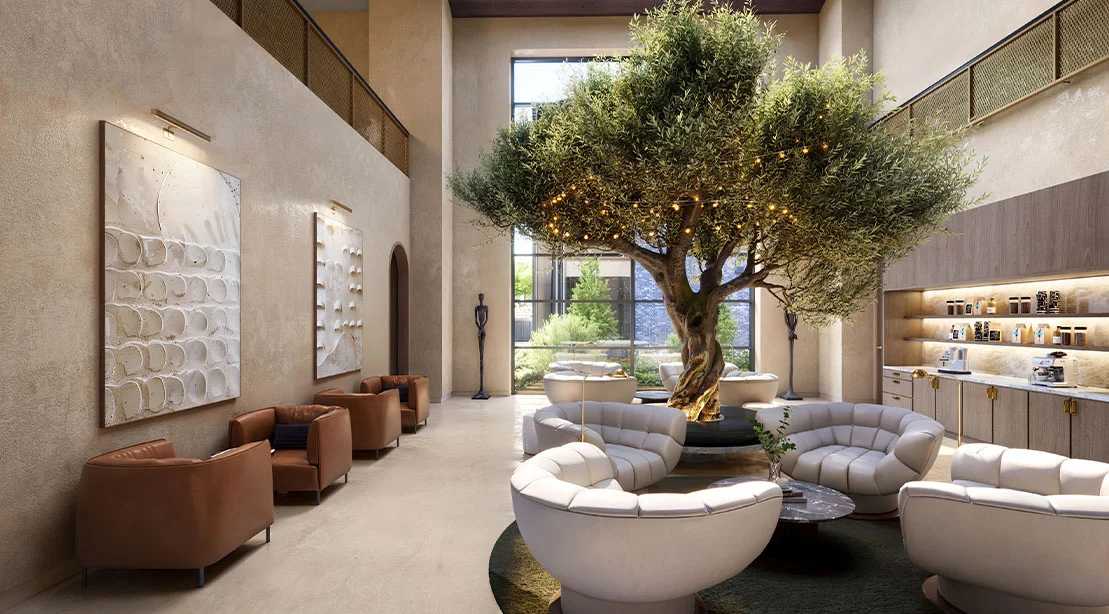
This realization birthed the eighth pillar: Society. While the other seven pillars focus on the biological machine, the eighth focuses on the human spirit. Everhaus is designed not just as a clinic, but as a community. The club will feature communal spaces, library lounges, and curated events that aim to foster genuine, long-term connections among members. Furthermore, these experiences will extend beyond the Las Vegas flagship, with plans for member gatherings and wellness retreats that move with the membership globally.
Implications: Why Las Vegas? Why Now?
Critics might view Las Vegas as a paradoxical location for a center dedicated to sobriety, health, and long-term vitality. However, Hibbert views it as the perfect strategic hub. The city’s evolution into a sports mecca—home to NFL, NHL, NBA, and MLB franchises—has created a dense ecosystem of athletes, sports medicine professionals, and high-performance staff.
"Everybody else experiences Vegas in a transient way; however, when you live here, you’ll notice how much it’s grown," Hibbert says. The city now demands a level of medical and performance infrastructure that didn’t exist even a decade ago. According to Hibbert, "Lifetime Fitness has been the ceiling," and Everhaus is designed to shatter that ceiling, providing a standard of care previously reserved for professional athletes or the ultra-wealthy.
The Future of the Membership Model
Everhaus is currently accepting membership applications. While the club has not yet disclosed its specific pricing structure, Hibbert is clear that the intent is to move away from the "gatekeeper" model of boutique wellness.
"You don’t have to be a CEO or a high-level executive to be a member," Hibbert notes. His long-term roadmap is expansive, targeting a reach of one million members across multiple national and international locations. By commoditizing the complex and democratizing access to high-level diagnostics, Hibbert believes he has created the "last membership you’ll ever need."
As we move into an era where "health span" is becoming just as critical as "life span," Everhaus represents a significant shift. It moves the conversation away from reactive medicine—treating sickness—to proactive, data-driven optimization. By consolidating the fragmented, expensive, and stressful aspects of modern health into a single, cohesive, and social environment, Justin Hibbert is betting that the most valuable commodity of the 21st century won’t be data or medicine alone—it will be the time, energy, and peace of mind saved by having them all in one place.
As winter approaches and the Las Vegas doors prepare to open, the industry will be watching closely. If Hibbert’s vision holds, Everhaus may well be the blueprint for the next generation of human performance centers, proving that the most efficient way to win at life is to stop doing it all by yourself.