








For decades, the standard medical advice for survivors of thoracic aortic dissection (TAD) has been characterized by caution, often bordering on medical immobilization. Patients who have survived the life-threatening tearing of the aorta—the body’s largest artery—have historically been counseled to avoid moderate or vigorous physical activity, driven by the fear that elevated heart rates and blood pressure spikes could trigger a secondary, fatal dissection.
However, a groundbreaking pilot study published in Circulation: Population Health and Outcomes is beginning to shift this paradigm. The research suggests that not only is structured, supervised exercise feasible for this vulnerable population, but it can be implemented without increasing the risk of cardiovascular collapse or aortic events.
Main Facts: A Shift in Cardiovascular Care
The pilot study, led by Siddharth Prakash, MD, PhD, of the University of Texas Health Science Center at Houston, examined 93 adults who had previously suffered from Type A or Type B thoracic aortic dissections. These patients were randomized into two groups: those receiving a structured, guided exercise regimen and those assigned to "usual care," which typically involves standardized counseling and routine check-ups.
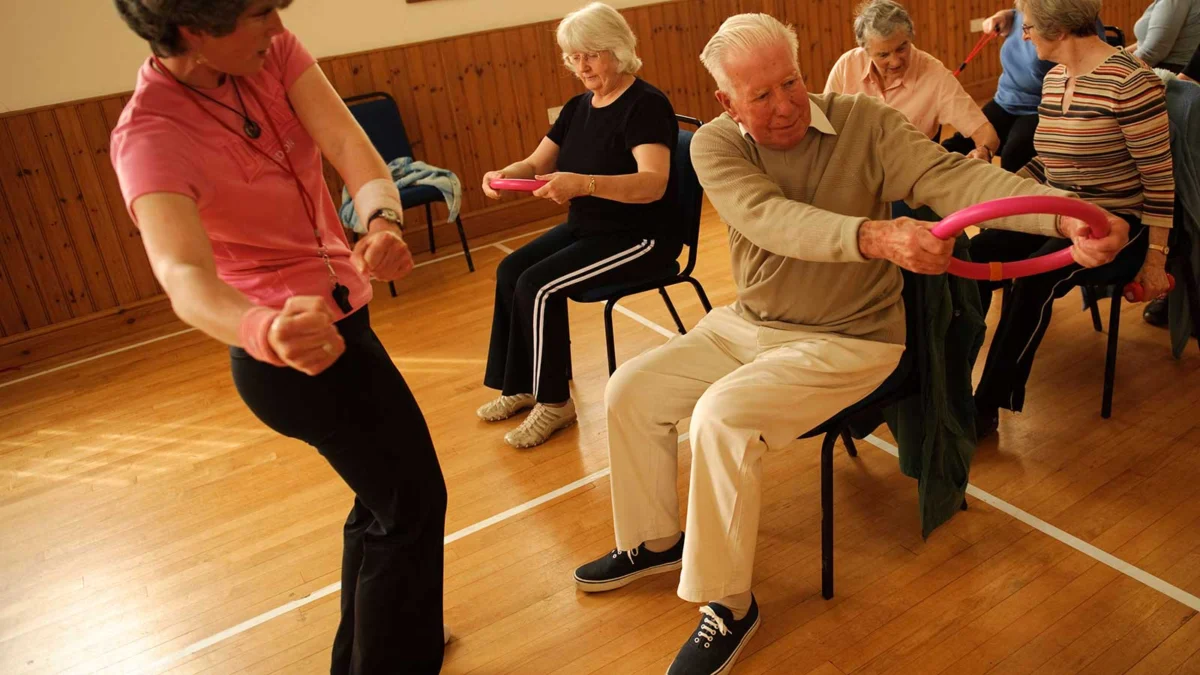
The guided exercise protocol was intentionally methodical. It began with an in-person introductory training session covering a six-exercise circuit: wall sits, hand grips, leg raises, treadmill walking, stationary cycling, and bicep curls. Participants then transitioned to a 12-month home-based regimen, with 3-minute rest periods between each set to monitor hemodynamics.
The results were strikingly positive. Among the 93 participants, there were zero deaths, zero aortic operations, and zero instances of recurrent dissection throughout the duration of the study. While 39% of the exercise group experienced exertional hypertension—defined as systolic blood pressure exceeding 180 mm Hg or diastolic pressure above 100 mm Hg—researchers noted that these instances were effectively managed and mitigated through simple modifications to the exercise intensity.
Chronology of the Study
The research initiative spanned nearly two years, conducted across three major U.S. academic medical centers between December 2022 and October 2024.
- Initial Screening Phase: Researchers screened 477 potential candidates to find patients who were at least three months post-dissection.
- Enrollment and Randomization: A total of 93 participants were successfully enrolled. The cohort had a median time of three years post-index dissection, with 76% having experienced Type A dissection and 24% Type B. A significant majority (74%) had undergone open surgical repair.
- The Intervention Window: Throughout the 12-month study period, participants in the exercise arm followed the structured circuit, while clinicians tracked blood pressure readings both during active exercise and throughout rest intervals.
- Data Collection and Follow-up: By the conclusion of the study, 65 participants had completed all assessments. Despite the challenges of maintaining long-term adherence in a rare disease population, the data provided a robust preliminary look at how physical activity influences the post-TAD physiology.
Supporting Data: The Physiology of Exercise Post-TAD
The study’s data collection focused heavily on safety metrics, given the high-stakes nature of the condition. In addition to monitoring for adverse events, the researchers evaluated ambulatory blood pressure and quality-of-life scores.
One notable outlier occurred outside the formal exercise protocol: a participant experienced a right iliac artery dissection after engaging in unauthorized activities—specifically beach volleyball and cycling. This event served as a stark reminder of the risks associated with unmonitored, high-intensity exertion, yet the dissection remained stable on follow-up imaging and did not require immediate surgical intervention.
Despite the fear that exercise might exacerbate blood pressure, the study did not show significant negative changes in paired ambulatory blood pressure measurements or in quality-of-life scores over the 12-month window. The authors were careful to note that the study was underpowered—having missed its initial recruitment target of 126 patients—meaning that while the data suggests safety, it cannot definitively rule out minor complications without further, larger-scale validation.
Official Responses and Expert Perspective
Dr. Siddharth Prakash and his colleagues have been vocal about the necessity of this research. In their report, they highlighted that "fear of precipitating recurrent dissection, particularly during physical exertion, frequently leads patients to restrict activity, limiting cardiometabolic and psychosocial recovery."
The researchers argue that the medical community has relied on "long-standing assumptions" that may be doing more harm than good. By enforcing sedentary lifestyles, physicians may inadvertently contribute to secondary health issues, including weight gain, hypertension, and depression, which in themselves are risk factors for cardiovascular decline.
"Our findings challenge long-standing assumptions that TAD survivors should avoid moderate physical activity," the team wrote. "Instead, our data demonstrate that with proper instruction and monitoring, TAD survivors can safely engage in structured exercise without precipitating hypertensive crises or aortic complications."
However, they remain pragmatic. The authors acknowledged the logistical barriers inherent in studying a rare condition like TAD. The recruitment difficulty—attributed to the complexity of the disease, the requirement for in-person visits, and strict exclusion criteria—underscores the difficulty of conducting multicenter behavioral trials in this space. They suggest that future studies should integrate "scalable digital health tools" to monitor patients remotely, which could lower the barrier to entry and increase the number of participants.
Implications for Future Clinical Practice
The implications of this study are significant for cardiologists, vascular surgeons, and the patients they treat. For a long time, the advice given to post-TAD survivors has been restrictive and conservative. This study provides a "green light" for the medical community to begin shifting toward a more nuanced, individualized approach to exercise.
1. Toward Precision Exercise Prescriptions
The study suggests that a "one-size-fits-all" approach to exercise restriction is outdated. Instead, the authors advocate for "precision exercise prescriptions" tailored to a patient’s specific ambulatory hemodynamic profile. By monitoring blood pressure during exercise in a controlled setting, clinicians can determine a patient’s "safe zone," allowing them to improve their cardiovascular health without venturing into the dangerous territory of hypertensive crisis.
2. Addressing Psychosocial Health
Aortic dissection is not just a physical trauma; it is a psychological one. Many survivors live in a constant state of hyper-vigilance, afraid that even climbing a flight of stairs could be their last action. By providing a safe, structured framework for exercise, doctors can help patients reclaim a sense of agency over their bodies. This is a critical component of psychosocial recovery that has been largely overlooked in standard follow-up care.
3. The Need for Larger Trials
While the results are promising, Dr. Prakash and his team are the first to caution against premature generalizations. Because the study was underpowered, it remains susceptible to Type II error—meaning that while no complications were seen, it does not mean they are impossible. The primary takeaway, according to the researchers, is that the strategy is feasible. The next step is a large-scale, multi-center prospective trial that can definitively quantify the long-term benefits of exercise and establish standardized safety guidelines for the entire TAD community.
4. Overcoming Logistical Barriers
The study also provides a blueprint for how to manage clinical research in rare disease populations. By highlighting the barriers to recruitment—such as geographical limitations and the need for home exercise equipment—the study provides valuable lessons for future researchers. The potential integration of wearable technology and remote monitoring will likely be the key to expanding the scope of such research, ensuring that patients from all backgrounds can safely participate in heart-healthy behaviors.
In summary, while the medical community must proceed with caution, the pilot study led by the University of Texas Health Science Center at Houston represents a vital pivot point. It moves the conversation away from blanket prohibition and toward the promise of guided, evidence-based physical activity, offering hope for a more active and empowered future for aortic dissection survivors.