











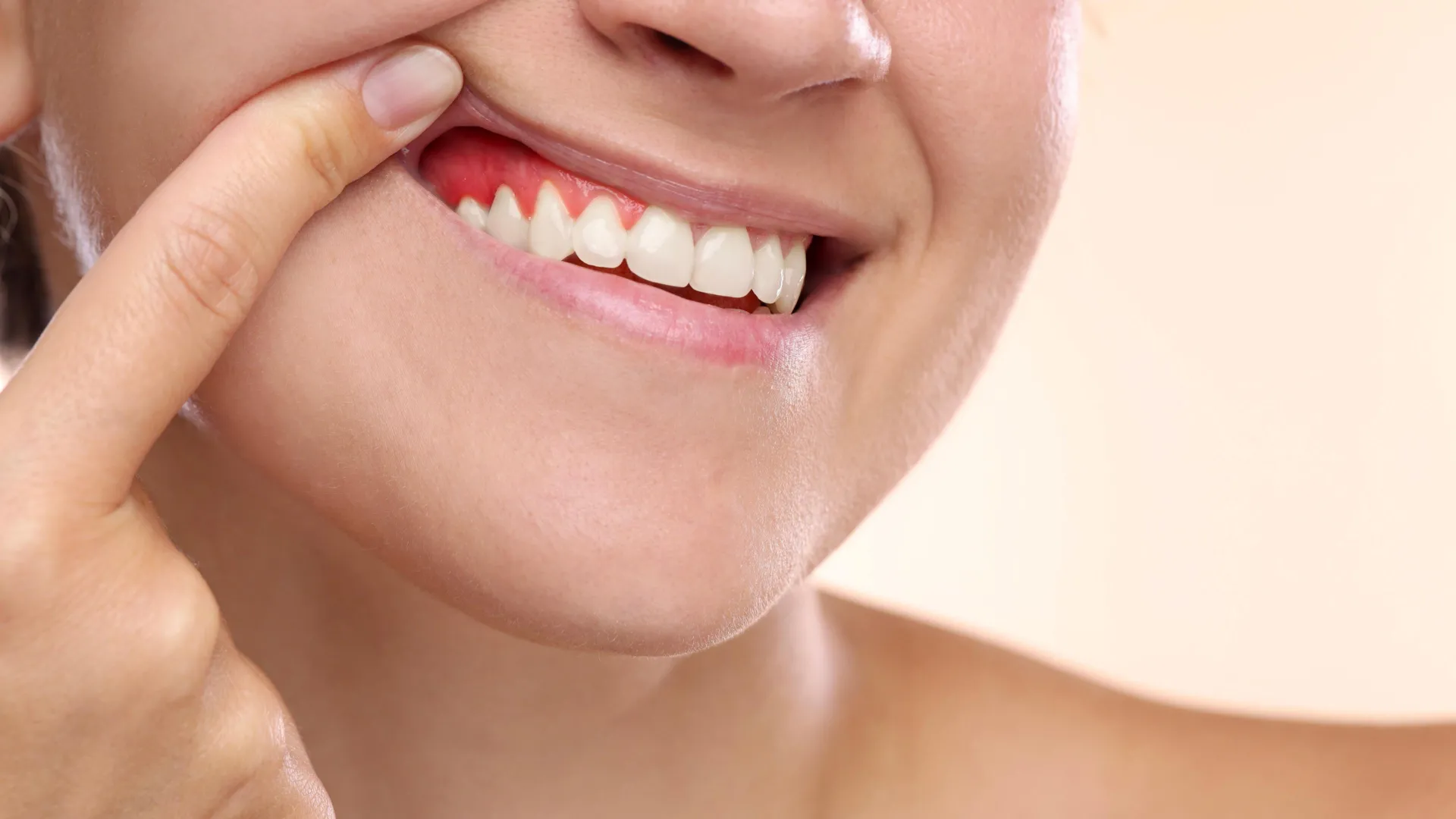
A New Frontier in Oral Health
For decades, the standard protocol for managing periodontal disease has remained largely unchanged: rigorous professional plaque removal, meticulous daily flossing, and the use of specialized antiseptic mouthwashes. While these mechanical interventions are undeniably effective at controlling the bacterial biofilms that cause gum inflammation, they often fail to address the systemic nature of the disease.
However, a groundbreaking study from King’s College London, recently published in the Journal of Clinical Periodontology (JCP), suggests that the future of oral healthcare may lie not just in what we brush, but in what we eat—or, more specifically, when we choose not to eat. Researchers have discovered that short-term, calorie-restricted diets may significantly lower inflammation associated with gum disease, offering a potential lifestyle-based adjunct to traditional dental treatments.
The Chronology of the King’s College Study
To test the hypothesis that systemic metabolic changes could influence local oral inflammation, researchers initiated a clinical trial involving 28 patients recruited from hospitals across Spain. The study was structured to evaluate the impact of a structured, intermittent fasting regimen over a six-month duration.
Phase 1: The Fasting Protocol
The participants were divided into two distinct cohorts: a control group that maintained their standard dietary habits, and an experimental group that adhered to a rigorous five-day calorie-restricted diet. The fasting group followed a precise schedule:
- Days 1–2: Caloric intake was capped at 1,100 calories per day.
- Days 3–5: Caloric intake was further reduced to 750 calories per day.
- Day 6: A "re-feeding" period began, with a gradual increase in caloric intake using soft, easily digestible foods.
- Day 7: Participants returned to their regular, unrestricted diets.
This cycle was repeated three times over the six-month study period. According to the research team, participants reported that the protocol was surprisingly manageable, suggesting high levels of patient compliance—a critical factor for any long-term dietary intervention.
Phase 2: Data Collection and Analysis
Upon the conclusion of the six-month trial, the research team conducted a comprehensive analysis of biological samples. They examined blood samples to measure systemic markers of inflammation and collected gingival crevicular fluid—the serum-like liquid found in the gingival sulcus (the small gap between the tooth and the gum line). This fluid serves as a vital diagnostic tool, as it is uniquely positioned to reflect the immune response occurring within the gum tissue itself.
Supporting Data: Evidence of Reduced Inflammation
The results of the study were striking. When compared to the control group, the participants who underwent the fasting-mimicking protocol displayed a measurable reduction in inflammation across multiple metrics.
Systemic and Local Improvements
The most significant finding was the reduction in C-reactive protein (CRP), a widely recognized systemic marker of inflammation. Elevated CRP levels are often linked to chronic inflammatory conditions, including cardiovascular disease and diabetes, both of which have well-documented bidirectional relationships with periodontitis.
Beyond systemic markers, the researchers observed a localized reduction in pro-inflammatory molecules within the gingival crevicular fluid. This suggests that the physiological stress reduction caused by the fasting cycles was not merely a general health benefit, but one that actively modulated the immune response within the periodontal pocket, effectively "cooling down" the inflammation that drives the destruction of gum tissue and bone.
Official Responses and Expert Insights
The study, led by researchers at King’s College London, has generated significant interest within the dental community. Dr. Giuseppe Mainas, the study’s first author, emphasized that the findings do not suggest that diet should replace dental hygiene, but rather act as a powerful partner to it.
"Our study suggests lifestyle modifications could be important alongside proper tooth brushing for patients," Dr. Mainas stated. "It is a holistic approach to a systemic problem."
The Mechanism of Action
Senior author Professor Luigi Nibali offered a deeper dive into the biological mechanisms that might explain why calorie restriction benefits gum health. He points to three primary pathways:
- Oxidative Stress Reduction: "Fasting reduces oxidative stress in the body, a common cause of inflammation, which can damage cells and DNA," Professor Nibali explained.
- Dietary Quality: By restricting caloric intake, participants naturally limited their consumption of refined carbohydrates and processed sugars—known culprits in triggering systemic inflammation.
- Microbiome Modulation: Perhaps most intriguingly, the researchers hypothesize that fasting may positively influence the oral microbiome. By altering the availability of nutrients, fasting may shift the balance of the oral bacterial community away from pathogenic species toward a more commensal, health-promoting state.
Implications for Future Dentistry
The implications of these findings are profound, potentially shifting the paradigm of how periodontitis is managed globally.
Bridging the Oral-Systemic Gap
Periodontitis is not merely an isolated dental issue; it is a chronic inflammatory disease that can have severe systemic consequences. The link between severe gum disease and heart disease or diabetes is well-established. By demonstrating that a dietary intervention can mitigate inflammation in the gums, this study reinforces the necessity of viewing the mouth as an integral part of the body’s overall physiological system.
Targeted Patient Care
However, the research team is cautious about broad, immediate recommendations. "There may be patients where restricting foods can be dangerous, such as those with diabetes," Dr. Mainas noted. "The advice will need to be targeted to specific patient groups."
This underscores the need for "precision dentistry," where dietary interventions are tailored to the individual’s metabolic profile and medical history. For high-risk groups—such as those with advanced diabetes or frailty who cannot safely undergo fasting—the researchers are currently investigating alternative methods to achieve the same inflammatory-reduction benefits.
The Roadmap Ahead
This study is the latest in a series of investigations at King’s College London regarding the intersection of diet and oral health. Last year, the department published evidence indicating that the Mediterranean diet could play a protective role against gum disease, while successful dental treatment has been shown to lower the risk of systemic comorbidities.
The next steps for the research team include:
- Larger Clinical Trials: A larger sample size is required to confirm these findings and establish standardized guidelines for clinical use.
- Mechanistic Validation: Further exploration of the microbiome’s role in mediating the benefits of fasting.
- Protocol Integration: Developing a framework for how dentists can safely incorporate nutritional guidance into the standard periodontal treatment plan.
Conclusion: A New Era of Integrative Care
The research from King’s College London provides a compelling argument for a more integrative approach to periodontal care. While the toothbrush and floss remain the frontline defense against plaque-induced inflammation, this study highlights the potential for metabolic management to act as a potent ally.
As the medical community continues to uncover the complex, bidirectional links between oral health and the rest of the body, the prospect of using short-term dietary interventions to fight gum disease offers a promising, cost-effective, and holistic path forward. For millions of people worldwide suffering from the silent, destructive progression of periodontitis, the answer to a healthier mouth may indeed be found on their plate—or, more accurately, in the strategic absence of food.
The findings published in the Journal of Clinical Periodontology serve as a clarifier: oral health is systemic health, and every lifestyle modification that reduces inflammation holds the potential to save not just teeth, but lives.