








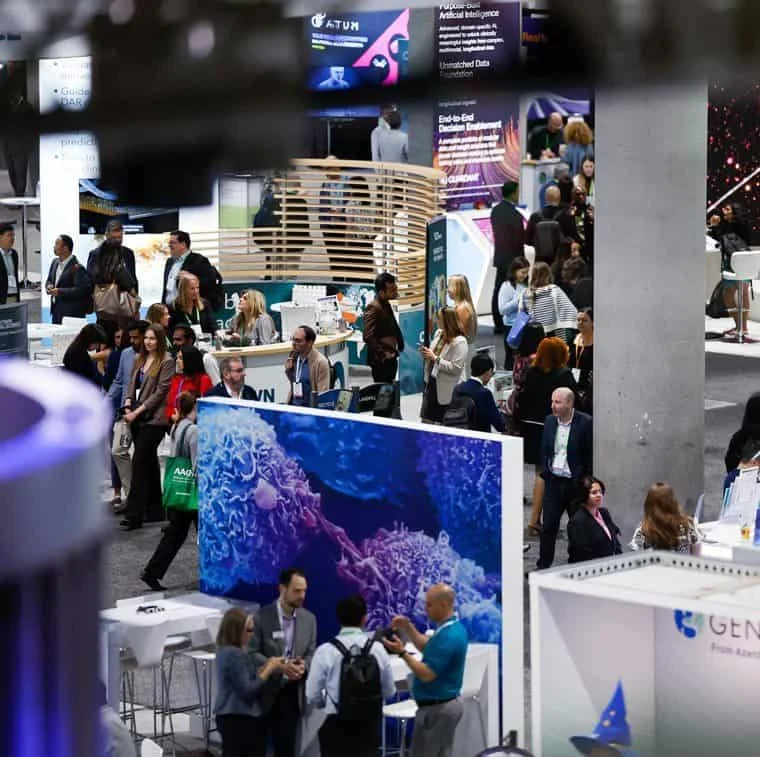
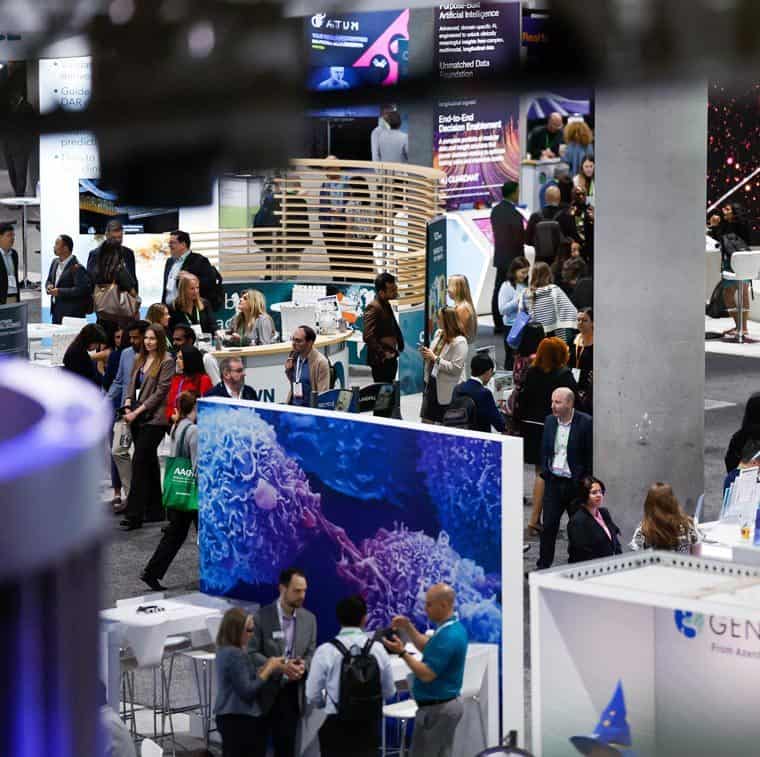
At the 2026 American Association for Cancer Research (AACR) Annual Meeting, the atmosphere was defined by a dual sense of triumph and urgency. As global leaders in oncology gathered to discuss the latest frontiers in treatment, National Cancer Institute (NCI) Director Dr. Anthony Letai delivered a keynote that served as both a victory lap for modern science and a sobering reality check. While the past thirty years have seen a transformative decline in cancer mortality, the medical community stands at a precarious crossroads where scientific brilliance must be matched by systemic reform.
The State of the Union: A Landscape of Progress and Peril
The latest Cancer Statistics report from the American Cancer Society provides the foundational data for the current era: cancer mortality in the United States has plummeted by approximately one-third since the mid-1990s. This represents millions of lives extended—time that families have reclaimed to celebrate milestones, witness growth, and experience life beyond a diagnosis.
This historic decline is no accident; it is the direct byproduct of the immuno-oncology revolution. Therapies that harness the body’s own immune system to identify and neutralize malignant cells have shifted the paradigm from palliative care to durable remission for a growing subset of patients.
However, Dr. Letai’s address cautioned against complacency. Even as death rates drop, the clinical landscape is shifting under the weight of new, complex challenges. Most alarmingly, the demographic profile of cancer is changing. Colorectal cancer, once considered a disease of the elderly, has surged among adults under 50, now standing as the leading cause of cancer-related mortality for that age bracket, with incidence rates climbing by nearly 3% annually in younger populations. This, combined with the stubborn persistence of treatment resistance and the high rate of recurrence, suggests that our current arsenal, while powerful, is not yet sufficient to conquer the disease in its entirety.
Chronology of an Evolving Field: From Bench to Bedside
To understand the urgency of the current moment, one must look at the evolution of cancer research over the last three decades:
- The 1990s and Early 2000s: The era of targeted chemotherapy and the dawn of molecular diagnostics. The focus was on broad, systemic destruction of fast-dividing cells.
- The 2010s: The "Immunotherapy Decade." Researchers began to unlock the secrets of immune checkpoints, leading to the first wave of FDA-approved CAR-T cell therapies and checkpoint inhibitors.
- The 2020s: The current frontier. We are moving beyond "one-size-fits-all" treatments toward deep, data-driven precision medicine. This era is defined by the integration of artificial intelligence (AI), multi-omics (genomic, spatial, and cellular data), and a focus on global trial efficiency.
The transition from the 2010s to the current era has been marked by a shift in bottlenecking. A decade ago, the barrier was a lack of effective therapeutic agents. Today, the barrier is the inability to process the vast amounts of data being generated, alongside a need for faster, more agile clinical trial frameworks.
Data at Scale: The Engine of Modern Discovery
The cornerstone of modern precision medicine is the ability to tailor treatment to the individual patient’s tumor profile. However, this level of personalization is data-intensive. Dr. Letai highlighted that the future of the field depends on our ability to create "AI-ready" ecosystems.
Initiatives such as the Cancer Research Institute’s (CRI) Discovery Engine are bridging this divide. By standardizing high-quality genomic, spatial, and cellular data, these platforms allow researchers to compare results across disparate systems. The goal is to move beyond siloed research. When data is harmonized, AI can identify patterns in treatment response that human researchers might miss, such as why a patient with a specific genetic marker responds to one immunotherapy but fails to respond to another.
As we look toward the latter half of the 2020s, the integration of advanced analytics into clinical workflows will be the difference between "trial and error" medicine and true precision oncology.
The Global Race and Regulatory Agility
One of the more provocative segments of Dr. Letai’s address focused on the global competitiveness of U.S. biomedical innovation. While the United States remains a leader in basic research, the Director pointed to systemic inefficiencies in the clinical trial process that threaten to slow the pace of discovery.
"We are seeing other nations—most notably China—streamlining their early-stage clinical trial pathways with remarkable speed," Dr. Letai noted. The implications are clear: if an innovative drug candidate takes years to navigate regulatory hurdles and trial design complexities in the U.S., patients may be denied life-saving access while international counterparts move forward.
The solution, according to the NCI, lies in three areas:
- Parallel Processing: Moving away from sequential trial phases where possible.
- Adaptive Trial Design: Utilizing designs that allow for real-time adjustments based on patient response data.
- Regulatory Harmonization: Working more closely with agencies to ensure that safety and efficacy are maintained without sacrificing speed.
Investing in the Next Generation: The Talent Pipeline
Perhaps the most human-centric portion of the AACR 2026 discussion concerned the future of the workforce. Cancer research is an arduous field, and the current academic and funding models often place early-career scientists in a state of perpetual precarity.
Dr. Letai emphasized that we risk losing a generation of brilliant minds to other industries if we do not solve the funding gaps between the postdoctoral phase and the attainment of independent faculty positions. The CRI is responding directly to this with initiatives like the IGNITE Award, which provides five years of continuous support to scientists at the critical bridge between their training and their first major independent studies.
The rationale is simple: breakthroughs are not produced by institutions; they are produced by researchers. Ensuring that these individuals have the stability to take risks on high-reward, transformative projects is essential for the long-term health of the entire ecosystem.
Addressing Disparities: The Equity Imperative
Scientific innovation is rendered meaningless if it cannot reach those who need it most. The NCI has made it a core priority to tackle the "last mile" of cancer care: access and equity.
Dr. Letai highlighted the persistent disparities in cancer outcomes among economically marginalized communities. These populations often face a trifecta of barriers: lack of access to early screening, systemic biases in clinical trial recruitment, and geographic hurdles to specialized oncology care.
Moving forward, the NCI and its partners are focused on:
- Community-Based Screening: Bringing detection services directly into underserved neighborhoods.
- Diverse Representation: Ensuring that clinical trials reflect the diversity of the patient population to ensure that therapies are effective across different genetic backgrounds.
- Public Literacy: Improving communication with the public to build trust in the research process and encourage participation in clinical studies.
Conclusion: A Future Built on Three Pillars
As the 2026 AACR Annual Meeting drew to a close, the consensus was clear. The future of oncology will be built on the triad of Precision, Partnership, and Purpose.
- Precision: Utilizing data-driven diagnostics and AI to create bespoke treatment plans.
- Partnership: Breaking down the walls between the lab, the clinic, and the community to foster a truly collaborative research ecosystem.
- Purpose: Maintaining an unwavering focus on the patient, ensuring that the primary goal remains the translation of laboratory success into human survival.
For the patients and families waiting for the next breakthrough, these principles offer more than just a strategic roadmap; they offer hope. For the scientific community, they represent a mandate for action. The progress made over the last three decades is immense, but as Dr. Letai concluded, the most important work—the work that will ultimately close the gap on cancer—is the work we do today.