The sun set hours ago, leaving the world outside in darkness. But inside the laboratory, the rhythm of discovery remains unyielding. The only illumination comes from the cool, clinical glow of benchtop instruments and the flickering blue light of a computer monitor. A timer dings—a sharp, staccato sound that cuts through the quiet hum of the ventilation system.
A scientist rises, pulls on a fresh pair of nitrile gloves, and meticulously transfers a sample. The timer is reset. The scientist returns to the terminal, eyes scanning rows of data, waiting for the next time point. This is not the scene of a cinematic breakthrough. There are no cameras, no standing ovations, and no immediate headlines. Yet, this is exactly what cancer research looks like: the grueling, repetitive, and profoundly quiet dedication that serves as the bedrock of modern medicine.
The Myth of the "Eureka" Moment
Public perception of cancer research is often shaped by the finish line: the press release announcing a new drug, the FDA approval, or the headline-grabbing clinical trial results. However, these monumental successes are merely the final, visible chapters of a story that spans years—and sometimes decades—of obscure, incremental work.
Before a therapy reaches a patient, it must survive the "slow churn" of the laboratory. This phase is defined by experiments repeated dozens of times to ensure that a result is not a statistical fluke, but a biological truth. It is a world of inconclusive data, unexpected failures, and questions that remain stubbornly unanswered for months at a time.
The Complexity of Reproducibility
To understand the labor involved, one must look at the scientific process through the lens of a culinary recipe. If you bake a cake, you follow the instructions to the letter. But if you bake it again in a different oven, or with a slightly different brand of flour, the result may vary. In a laboratory, identifying the "variable" that caused a change in outcome is the primary task of a researcher.
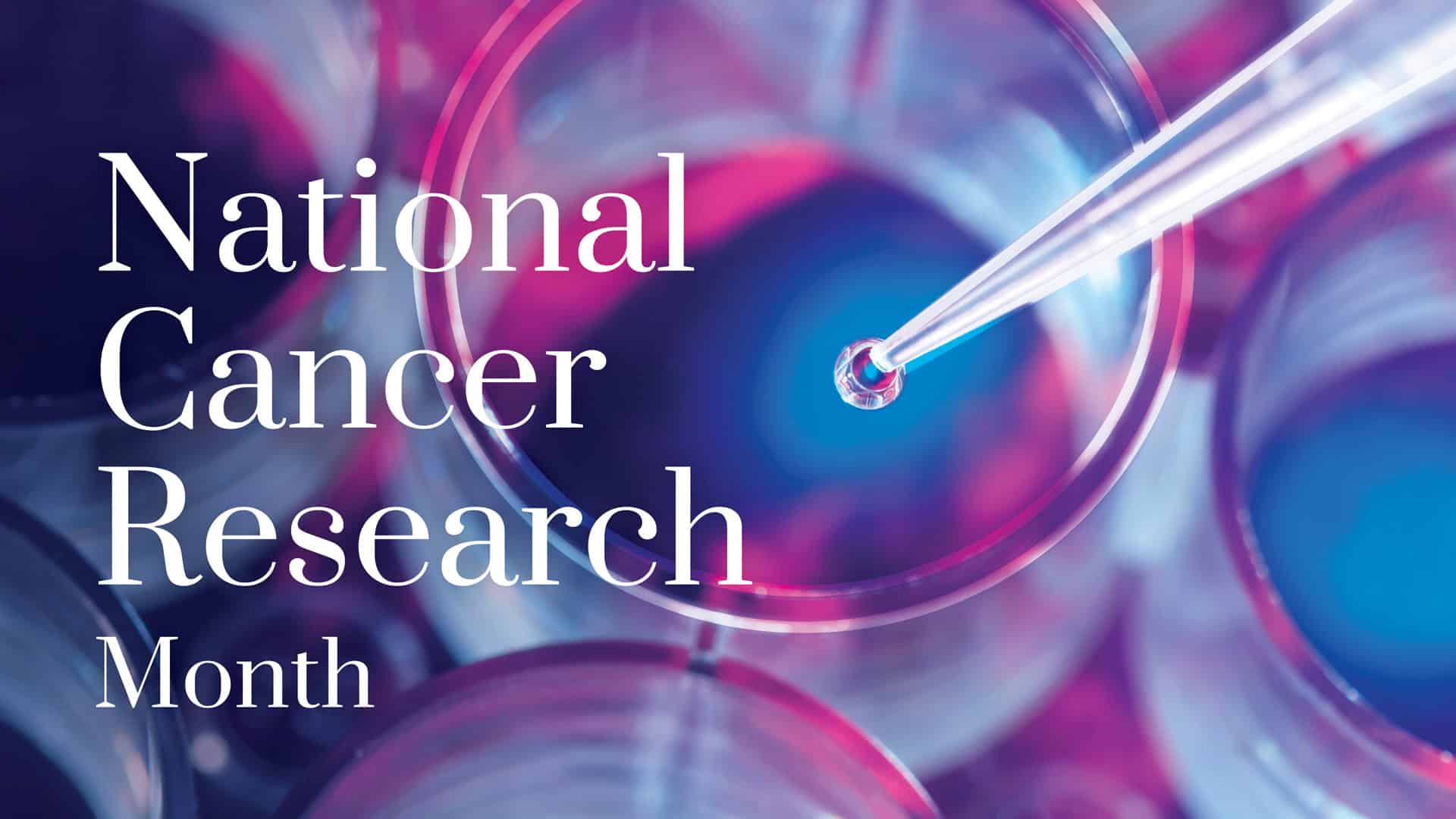
Is the room temperature slightly higher? Is the reagent from a different batch? Did the pipette calibration shift by a fraction of a milliliter? The scientist must isolate these variables, one by one, until the results are consistent, reproducible, and—most importantly—trustworthy. Without this painstaking validation, no discovery can progress to the next stage. It is a process that is as frustrating as it is essential.
National Cancer Research Month: Honoring the Architects of Progress
During National Cancer Research Month, the Cancer Research Institute (CRI) takes a moment to pull back the curtain on this vital, behind-the-scenes work. By recognizing the tireless efforts of scientists who labor in relative obscurity, the CRI emphasizes that progress is not an accident; it is the calculated result of persistence.
However, this architecture of hope is increasingly fragile. The infrastructure that sustains these labs—scientific funding—is facing unprecedented pressure. As the cost of advanced research equipment, specialized reagents, and personnel rises, the margin for error shrinks.
A Crisis for the Next Generation
"Funding cuts are disproportionately impacting young investigators and researchers," notes Alicia Zhou, PhD, CEO of the Cancer Research Institute. "These are individuals who are just beginning in their careers, full of ingenuity and passion, hoping to dedicate their lives to scientific discovery. If we lose them, we lose the engine of future innovation."
The concern is echoed across the scientific community. When funding is diverted or restricted, it is the high-risk, high-reward research—the kind that leads to paradigm shifts—that is often the first to be sacrificed for safer, more incremental studies.

The Lifecycle of Discovery: From Bench to Bedside
The journey of a cancer therapy is a long, arduous trek from the lab bench to the clinic. It is a path characterized by stages, each requiring a different level of scrutiny and validation.
Phase 1: The Foundation of Data
The initial phase involves basic research, often focused on understanding the molecular mechanics of how cancer cells evade the immune system or thrive under stress. This is where scientists like 2026 AACR-CRI Lloyd J. Old Award recipient, Dr. Kenneth Murphy, operate.
Dr. Murphy’s work on dendritic cells highlights the non-linear nature of progress. "The truth of it is, we stumbled across that gene for the wrong reasons, and it was a disaster, and we finally figured out what was missing," Murphy recalls. What appeared to be a failure at the time eventually unlocked a deeper understanding of immune responses. This is the hallmark of the scientist: the ability to treat every "failure" not as an endpoint, but as a crucial piece of information.
Phase 2: Translational Research
Once a hypothesis is validated in the lab, it must move toward translational research—the bridge between theoretical discovery and human application. This is where the work becomes increasingly expensive and complex.
"There is a huge need for support of translational research," says Dr. Valsamo (Elsa) Anagnostou, a CRI CLIP Investigator. "We need to take scientific discoveries and actively translate those into interventions that make a measurable difference in clinical outcomes."

Phase 3: Clinical Validation
Only after a discovery has been shared, scrutinized by peers, and validated across different labs and conditions can it enter clinical trials. Even then, the success rate is daunting. The vast majority of compounds that show promise in a lab setting do not make it to the patient. This underscores the necessity of a robust pipeline; to find the one treatment that saves lives, researchers must explore dozens of avenues simultaneously.
The Human Cost of Funding Uncertainty
The implications of underfunding research are not merely abstract, fiscal concerns. They are human issues. E. John Wherry, PhD, Associate Director of the CRI’s Scientific Advisory Council, warns that the current climate creates a "brain drain" effect. "If we don’t protect this next generation of researchers, we risk losing the very people who will drive the discoveries of tomorrow," he says.
When young researchers leave the field due to lack of support, the impact is felt decades later in the form of missed breakthroughs. Cancer does not wait for funding cycles, and it does not respect the administrative hurdles that scientists must clear just to keep their lab lights on.
Proof in the Patient Experience
Ultimately, the goal of this slow, tedious, and often exhausting work is singular: the patient.
Sharon Belvin, a stage 4 melanoma survivor, represents the physical manifestation of years of laboratory work. For patients like Belvin, the "slow churn" of science is not an abstract concept; it is the literal reason they are alive. "My life, and the lives of so many others, are living proof that this work actually matters," she says.
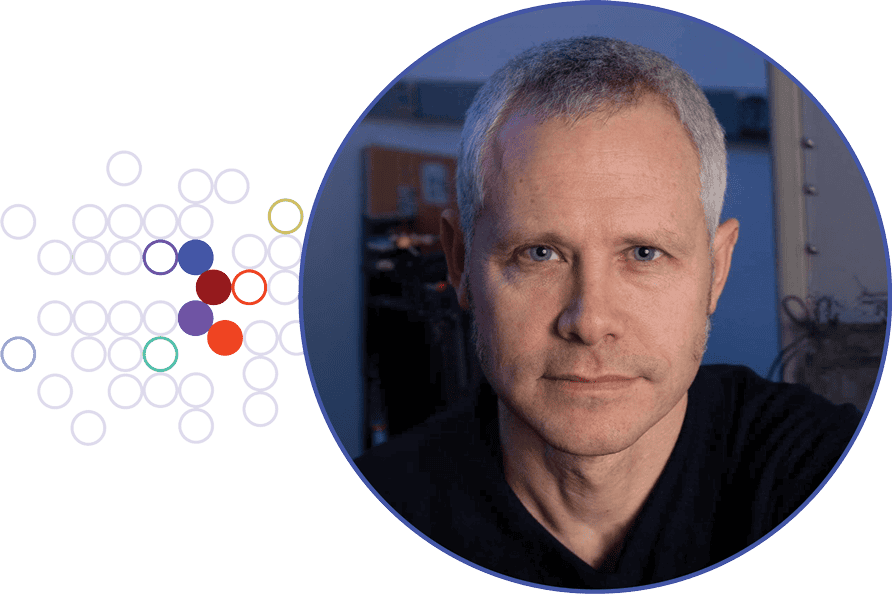
Her story serves as a reminder that every life extended or saved can be traced back to a quiet, dimly lit room where a scientist decided to run one more experiment.
The Future: A Call to Persistence
As we observe National Cancer Research Month, the narrative should not just be about the glory of the breakthrough, but about the nobility of the process. It is about the scientist who, after a month of inconclusive results, chooses to come in the next day to adjust their parameters, rethink their approach, and try again.
The work is rarely glamorous. It is often frustrating. But it is, without question, the foundation of every major medical advancement in the history of oncology.
Tonight, while the world sleeps, a light will remain on in a lab somewhere. A scientist will be waiting for a timer to ding. They will be observing, analyzing, and persisting. They are the architects of our future health, and their work is the most important story that isn’t being told.
To learn more about how you can support the critical work of scientists on the front lines of discovery, visit the Cancer Research Institute (CRI).