





On 20 May, the European Lung Foundation (ELF) demonstrated the vital intersection of lived experience and high-level policy advocacy. In a coordinated effort spanning Brussels and the United Kingdom, two key representatives—Helen Parks, Chair of the ELF United Patient Advisory Group (UPAG), and Phil Taverner, incoming ELF Chair—spearheaded urgent discussions on two of the most pressing public health crises of our time: the surge in youth nicotine addiction and the pervasive threat of air pollution.
These engagements highlight the ELF’s ongoing mission to ensure that the patient perspective is not merely a token addition, but a cornerstone of European healthcare policy. By bridging the gap between clinical data and the lived reality of those with chronic lung conditions, the ELF is working to drive meaningful, structural change.
Main Facts: A Dual-Front Engagement
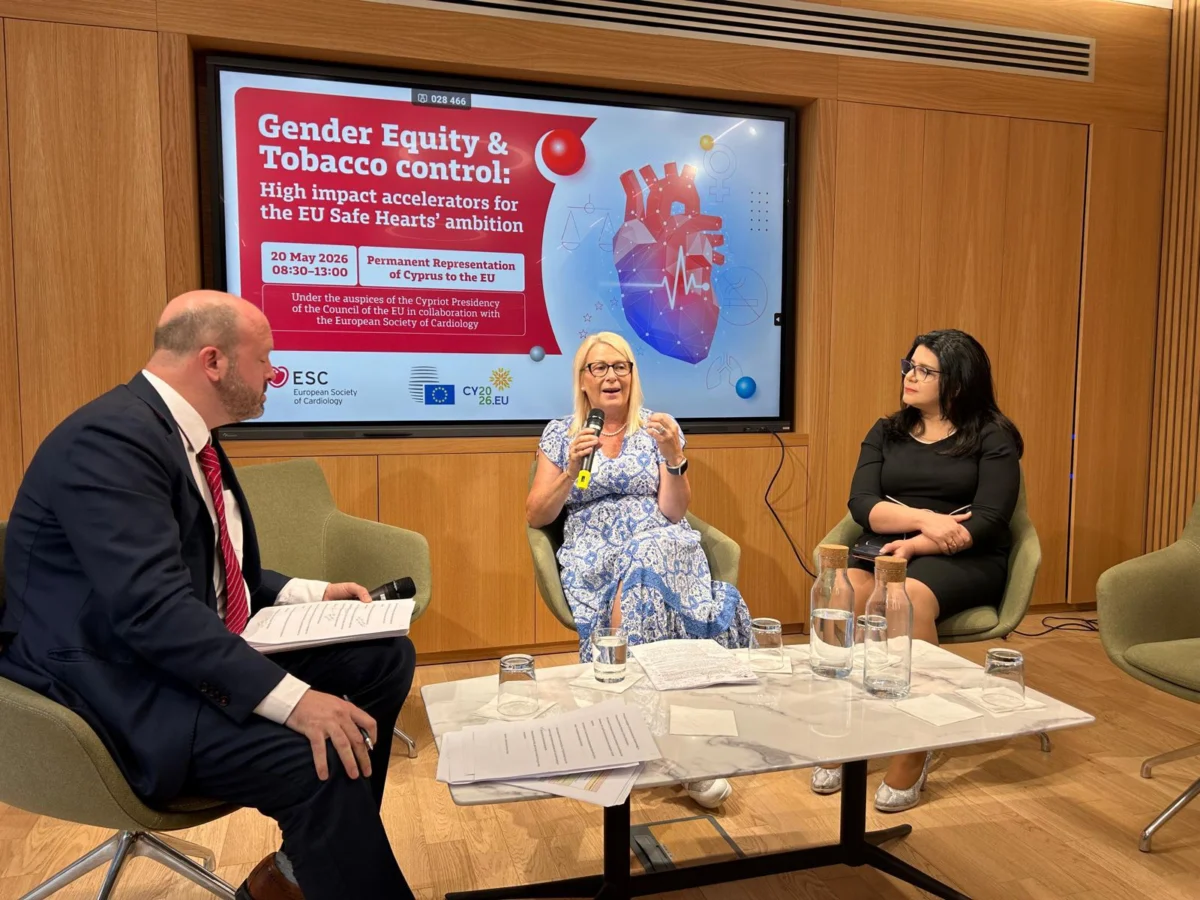
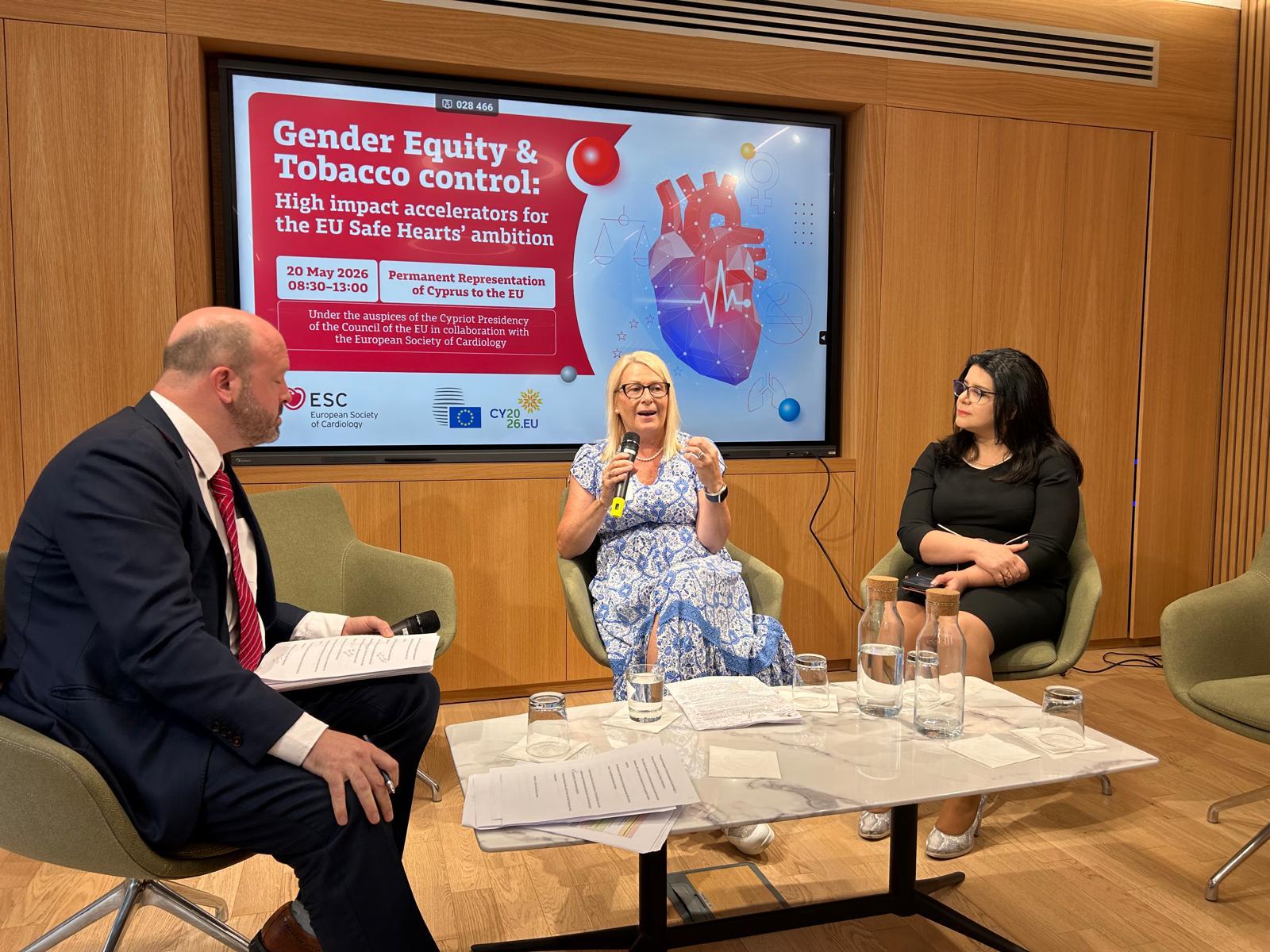
The events of 20 May underscored the multifaceted approach required to tackle modern respiratory health issues. Helen Parks represented the ELF at a high-level European Society of Cardiology (ESC) event in Brussels, centered on the "EU Safe Hearts Plan." The discussion focused on the critical nexus between cardiovascular health, gender equity, and the systemic challenges posed by tobacco and nicotine consumption.
Simultaneously, in the United Kingdom, incoming ELF Chair Phil Taverner participated in a "Clean Air Champions" network meeting. This gathering of clinicians and advocates focused on the role of healthcare professionals in navigating the health impacts of air pollution. By addressing both the chemical intake of nicotine and the environmental intake of pollutants, the ELF is targeting the two primary drivers of avoidable respiratory decline.
Chronology of the Day: Bridging Brussels and the UK
The day’s activities were structured to maximize impact across different regulatory landscapes.
Morning: The Brussels Perspective
The Brussels event served as a forum for policymakers and health experts to address the "Safe Hearts" initiative. Helen Parks, speaking from her dual background as an asthma patient and an educator, provided a sobering look at the current landscape of nicotine use. Her testimony highlighted the normalization of vaping among teenagers—a demographic she witnesses daily in the classroom.
Afternoon: The Clinician-Patient Alliance in the UK
In the UK, the focus shifted to the frontline of healthcare. Phil Taverner’s engagement with the Clean Air Champions network focused on the "how-to" of patient interaction. The meeting explored how doctors, nurses, and specialists can effectively communicate the invisible dangers of particulate matter (PM2.5) to patients, moving beyond abstract warnings to actionable, daily advice.
Supporting Data and the Crisis of Regulation
The urgency of these discussions is supported by growing data on respiratory and cardiovascular health.
The Vaping Epidemic
The rapid proliferation of vaping products has created a regulatory vacuum. Helen Parks noted that the rise in nicotine use, particularly among young women, is an emerging public health emergency. Current legislation often lags behind the marketing strategies of tobacco and vaping companies, which frequently target younger demographics through colorful packaging and flavors.
The clinical concern, as Parks articulated, is not just the immediate impact on lung function, but the long-term addiction profile being built into the next generation. For those already living with asthma, exposure to aerosolized chemicals—whether through direct vaping or passive inhalation—can act as a severe exacerbator of airway inflammation.
The Invisible Threat: Air Quality
Data from the Clean Air Champions network emphasizes that air quality is no longer just an environmental issue; it is a clinical one. For patients with pre-existing conditions like asthma or Chronic Obstructive Pulmonary Disease (COPD), high levels of nitrogen dioxide and particulate matter are immediate triggers for hospitalizations.
Phil Taverner’s contribution was essential here: he argued that the "burden of responsibility" currently sits too heavily on the individual. Patients are often told to "avoid polluted areas," a directive that ignores the socioeconomic realities of those who live in dense, industrial, or traffic-heavy urban centers. When clean air becomes a luxury, the healthcare system must pivot to advocate for environmental justice.
Official Responses and Perspectives
The involvement of the European Society of Cardiology and the Clean Air Champions network indicates a shift toward a "whole-system" approach.
During the ESC event, experts acknowledged that tobacco control is intrinsically linked to cardiovascular success. The "Safe Hearts" plan requires a significant reduction in smoking and vaping prevalence to achieve its goals of reducing heart disease. The consensus among the panel was that voluntary measures by the industry have failed, and that stricter, harmonized EU-wide legislation is required to curtail the marketing and accessibility of nicotine products.
In the UK, the Clean Air Champions network response was one of advocacy. Clinicians are increasingly recognizing that prescribing medication is insufficient if the patient is returning to an environment that actively damages their lungs. There is a growing movement to encourage healthcare professionals to act as "health advocates" who lobby for cleaner public transport, low-emission zones, and better urban planning.
Implications for Public Health Policy
The implications of the 20 May events are threefold:
- The Shift from Individual to Systemic Accountability: Both Parks and Taverner emphasized that patients cannot be expected to "lifestyle-manage" their way out of systemic environmental and commercial hazards. Policy must evolve to restrict the sale of harmful products and mandate cleaner air standards.
- The Integration of Lived Experience in Clinical Practice: The ELF model proves that clinical guidelines are more effective when they are co-designed with patients. When a doctor understands the daily compromises a patient makes—such as choosing between a healthy walk and a less-polluted bus route—the quality of care improves.
- Cross-Border Collaboration: Tobacco and air quality issues do not respect national boundaries. By engaging with both the EU and UK networks, the ELF is ensuring that best practices in respiratory health are shared, creating a unified front against industrial lobbies and inaction.
Conclusion: The Path Forward
The dual efforts of Helen Parks and Phil Taverner represent the strength of the European Lung Foundation’s advocacy strategy. By placing the patient at the center of the dialogue, they have highlighted that health policy is not merely an exercise in statistics; it is an exercise in protecting human lives.
As the ELF looks toward the future, the organization remains committed to holding policymakers accountable. The goal is clear: a Europe where the air is safe to breathe and where the next generation is protected from the predatory marketing of addictive, lung-damaging products.
Through the persistent sharing of real-life stories—from the classroom to the clinic—the ELF continues to ensure that the patient voice is the loudest one in the room. This advocacy is not just about managing lung disease; it is about preventing it at the source, ensuring that health outcomes are improved for every citizen, regardless of their background or environment. The work continues, and the message from 20 May remains clear: it is time for decisive, evidence-based, and patient-centered action.