By Diane Westwater
In the ancient tradition of Ayurveda, the ultimate objective of health is not merely the absence of disease, but the cultivation of a harmonious equilibrium between the mind, body, and consciousness. When this delicate balance is disrupted, the resulting psychosomatic distress signals an urgent need for intervention. As we navigate the seasonal shift into winter—a period governed by the heavy, cold, and dense attributes of the Kapha dosha—the practice of Nasya emerges as a profound, time-tested modality for purification and mental clarity.
The Ayurvedic Philosophy of Healing: Pacification vs. Purification
Ayurveda approaches disease through a dual-lens framework: Shamanam (pacification) and Shodanam (purification). Determining which path to pursue is the foundational step for any practitioner.
Shamanam is the strategy of choice when a patient presents with systemic weakness or depletion. In these instances, the goal is to gently remove the root cause of the distress while simultaneously nourishing the body to build resilience. It is a process of stabilization. Only when the individual has regained sufficient strength, or when the constitution suggests that nourishment is no longer the primary requirement, does the practitioner consider Shodanam.
Shodanam, or purification, is the process of systemic detoxification. The most comprehensive manifestation of this is Panchakarma—a term derived from the Sanskrit words pancha (five) and karma (action). These five therapeutic actions are designed to purge the body of accumulated toxins (ama) that have lodged themselves deep within the tissues. Among these, Nasya—the nasal administration of medicinal substances—stands out for its unique, direct connection to the central nervous system.
The Physiology of the Nasal Pathway
In Ayurvedic anatomy, the nose is poetically described as the "doorway to the brain" (Nasa hi shiraso dwaram). This is not merely a metaphorical concept; it reflects an understanding of the profound physiological impact that intranasal therapy exerts on the consciousness and the Majja Dhatu (nervous tissue).
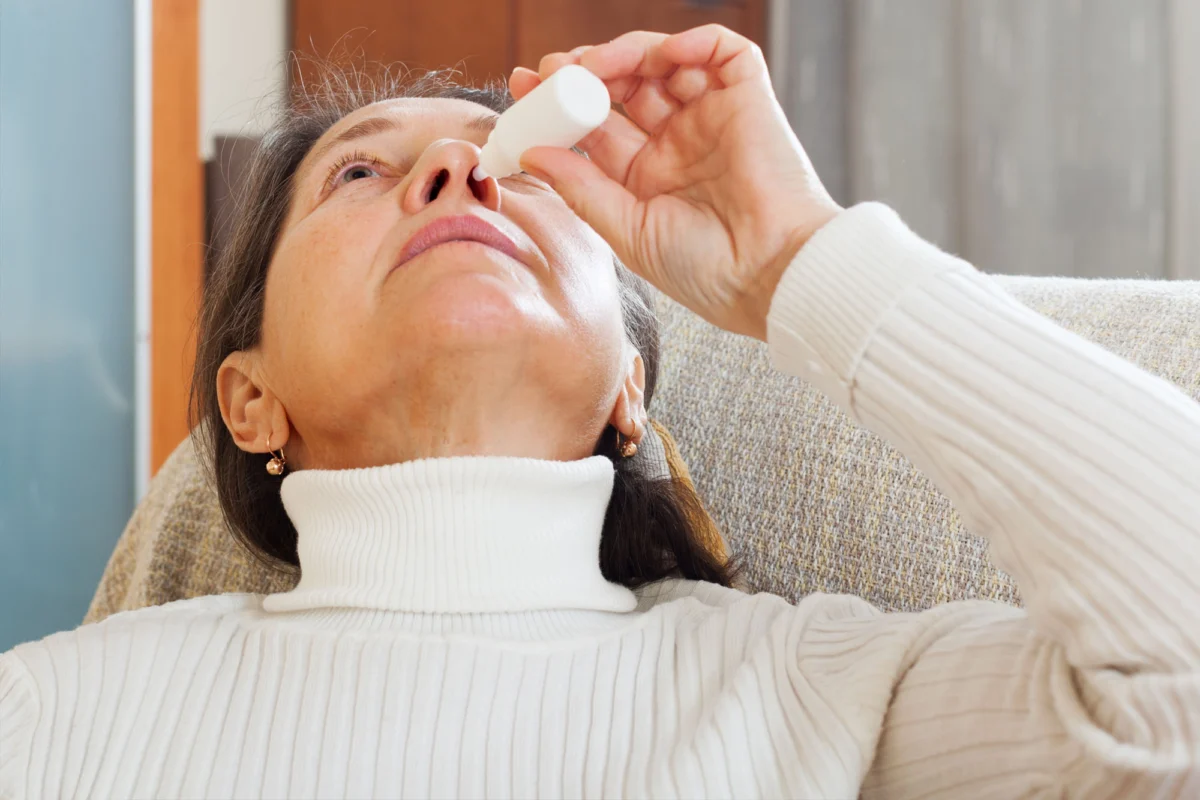
When a substance is introduced via the nasal cavity, it bypasses the standard digestive metabolic process, entering directly into the physiological channels that influence the brain. This administration aids in the purification of the Nadis, the subtle energetic "rivers of life" that govern our vitality.
The mechanism is sophisticated. Upon inhalation, the air—carrying the therapeutic properties of the herb—travels toward the brain through the cribriform plate. This process exerts a physical pressure on the meninges, the protective membranes investing the brain and spinal cord. Simultaneously, the rhythmic movement of the diaphragm, triggered by the inhalation, creates a pumping action. This mechanical cycle stimulates the circulation of cerebrospinal fluid and enhances both venous and arterial blood flow, effectively "waking up" the brain centers and clearing the cognitive fog often associated with Kapha-heavy winter months.
Winter and the Kapha Influence
As the seasons shift into winter, the environment adopts the characteristics of the Kapha dosha: cold, heavy, dense, slow, and cloudy. When these environmental factors mirror our internal state, they can lead to stagnation, sinus congestion, and mental lethargy. To counteract this, Ayurvedic wisdom dictates that we must introduce the opposite qualities into our regimen: heating, drying, and expansive herbal applications.
The winter is, therefore, the ideal time for targeted Nasya therapy. By utilizing specific botanical preparations, one can cut through the "cloudiness" of the winter season, ensuring that the prana (life force) continues to flow freely through the body’s srotas (channels).
Navigating the Recipes: Traditional Applications
The application of Nasya requires both precision and respect for the potency of the substances used. The following traditional remedies are specifically indicated for balancing Kapha and enhancing cognitive sharpness during the colder months.
Vacha (Calamus Root): The Cleansing Catalyst
Vacha is a foundational herb in the Ayurvedic pharmacopeia for respiratory and cognitive health. It is characterized by a pungent, heating, and bitter energy. These energetics are precisely what is required to break down the dense accumulations of mucus that often plague the sinus cavities during winter.
- Action: Vacha clears the srotas, revitalizes prana, and is considered saatvic (pure/harmonizing) in nature, providing essential nourishment to the mind.
- Administration: A small pinch of Vacha root powder is inhaled directly into each nostril. It is common for this to induce sneezing. Far from being a negative side effect, this sneezing response is a vital part of the process, as it helps rebalance the udana vayu (the upward-moving energy) and clears the neurological pathways.
The Ginger-Jaggery Infusion
For those seeking a more liquid-based nasal therapy, the ginger-jaggery preparation offers an invigorating experience. While it may initially induce a sharp, burning sensation followed by a temporary flushing of the eyes and nose, the subsequent feeling is one of profound exhilaration and clarity.
- Preparation:
- Grate 1 teaspoon of fresh ginger and 1 teaspoon of high-quality jaggery.
- Combine with 1/3 cup of water.
- Strain the mixture through a fine cheesecloth, squeezing firmly to extract the potent juices.
- Application: Place 2–3 drops of the freshly prepared liquid into each nostril. It is critical that this mixture be made fresh for every application to ensure maximum potency and safety.
Implications for Modern Holistic Health
The resurgence of interest in Nasya is part of a broader trend in integrative medicine, where patients are seeking alternatives to synthetic decongestants and chemical-based sinus treatments. However, the move toward ancient purification methods requires a disciplined approach.
Clinical Considerations
While these practices are steeped in tradition, they are not without risks. Nasal membranes are highly sensitive; therefore, the quality of herbs, the sterility of the preparation, and the dosage must be handled with the utmost care.
- Professional Guidance: Before initiating a Nasya program, it is strongly advised to consult with an Ayurvedic practitioner or a qualified healthcare professional. An individual’s current doshic state (Vikriti) must be assessed to ensure that Nasya is the appropriate intervention.
- Contraindications: Nasya may not be suitable for individuals with acute inflammation, high blood pressure, or specific structural nasal anomalies.
- Consistency vs. Intensity: The efficacy of Nasya lies in the consistency of the practice rather than the intensity of the dose. Over-application can lead to irritation of the nasal mucosa.
The Future of Ayurvedic Integration
As we look toward the future of holistic wellness, the integration of Ayurvedic cleansing methods like Nasya into daily routines represents a shift toward proactive, rather than reactive, health management. By understanding the environment and our own internal constitution, we can utilize the natural properties of plants to maintain our equilibrium.
The "doorway to the brain" remains one of the most potent, yet underutilized, routes for therapeutic administration in modern society. As the scientific community continues to explore the nuances of the brain-gut-nasal axis, the traditional wisdom of Ayurveda offers a roadmap that is as relevant today as it was thousands of years ago. By embracing these seasonal shifts and honoring the delicate balance of our internal systems, we move closer to the ultimate Ayurvedic goal: a life lived in total harmony with the forces of nature.
Note: The information provided in this article is for educational purposes only and does not constitute medical advice. Always consult with a licensed healthcare professional before beginning any new cleansing or therapeutic regimen.