











In the landscape of modern psychiatry, the search for non-pharmacological interventions for Post-Traumatic Stress Disorder (PTSD) has reached a fever pitch. With millions of adults, particularly veterans, seeking relief from the debilitating shadows of trauma, the announcement of a new medical technology often carries the weight of a breakthrough. However, the recent decision by the U.S. Food and Drug Administration (FDA) to grant marketing authorization for Neurovalens’ "Modius Spero" device has sparked a different kind of conversation—one centered on transparency, regulatory standards, and the integrity of medical journalism.
While the device is now legally permitted to be marketed to the American public, a significant hurdle remains for the scientific and medical communities: the primary data supporting its efficacy remains entirely shielded from public view. Neither the FDA nor the manufacturer, Neurovalens, have released the full results of the clinical trials that served as the foundation for this authorization. This lack of transparency raises critical questions about how medical devices are vetted and the standards to which they are held before reaching vulnerable populations.
Main Facts: The Modius Spero Authorization
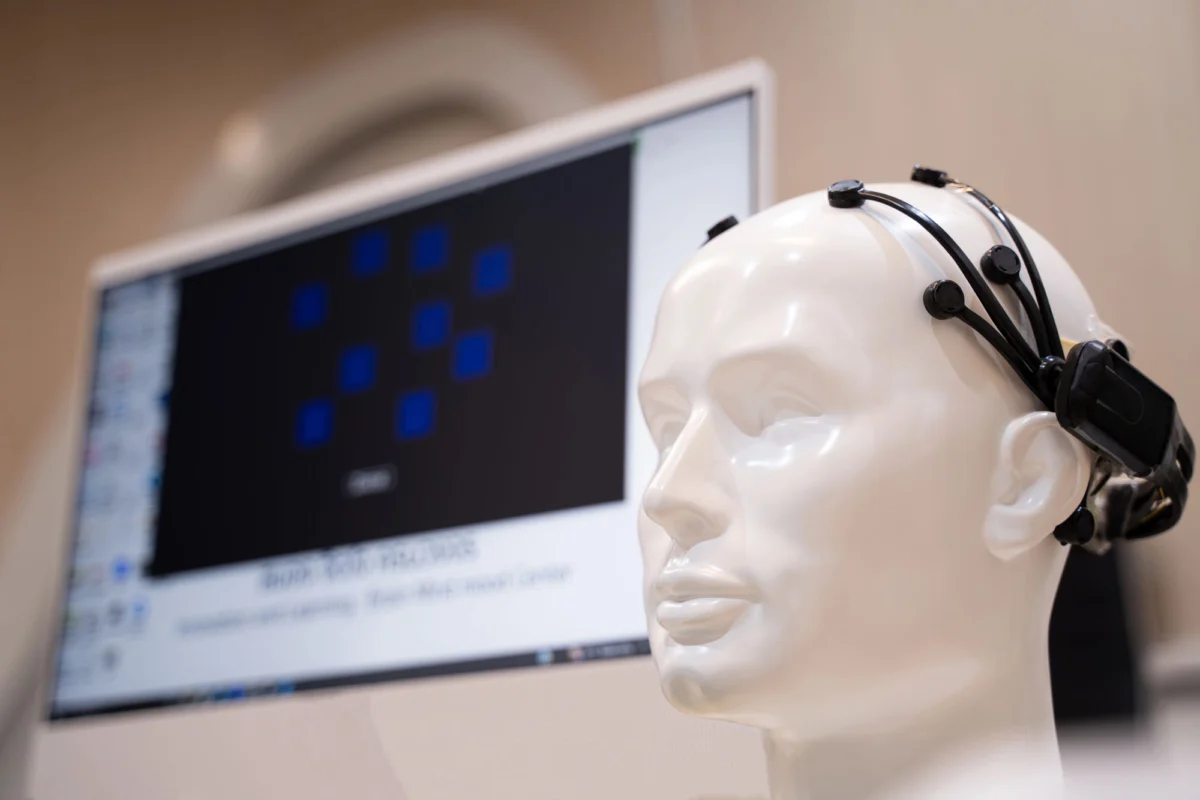
Modius Spero is a neuromodulation device categorized by the FDA as a "transcranial nerve stimulation device." Unlike invasive procedures, this technology is designed for at-home use, requiring the user to wear a headset for 30 minutes per day. The device functions by sending low-level electrical impulses through the scalp, purportedly targeting the brain’s vestibular nerve to influence the areas of the brain responsible for regulating stress and anxiety.
The FDA’s decision to grant marketing authorization followed the "De Novo" classification pathway. This pathway is specifically reserved for novel medical devices that are considered low-to-moderate risk but have no "substantially equivalent" device already on the market. By granting this authorization, the FDA has effectively created a new product classification, allowing Neurovalens to market the device specifically for the treatment of PTSD symptoms in adults.
Despite this regulatory milestone, the "evidence" cited in media reports is drawn almost exclusively from a company-issued press release rather than a peer-reviewed study or a publicly accessible clinical trial report. The headline figure—that "two-thirds of participants reported a clinically meaningful improvement"—has been widely circulated, yet the underlying data remains a "black box" to the clinicians who will be expected to prescribe it and the patients who will be asked to pay for it.
Chronology: From Clinical Trial to Market Entry
The journey of Modius Spero from a conceptual prototype to an FDA-authorized medical device follows a timeline that highlights the current disconnect between regulatory approval and scientific dissemination.
- 2022–2023: Neurovalens initiated clinical trials (identified on ClinicalTrials.gov as NCT05242367) to evaluate the safety and efficacy of the Modius Spero device. The study was designed as a randomized, sham-controlled trial—the gold standard for medical device testing.
- Early 2024: The clinical trial reached its conclusion. According to regulatory requirements, results from such trials are typically expected to be updated on the ClinicalTrials.gov registry to ensure transparency.
- Late 2024: The FDA officially granted marketing authorization via the De Novo pathway. Simultaneously, Neurovalens issued a press release celebrating the "world’s first" neuromodulation device for PTSD.
- The Present: Despite the study having concluded months ago, the results have not appeared on ClinicalTrials.gov, nor have they been published in any peer-reviewed medical journals.
- Future Outlook: Neurovalens has announced a strategic rollout plan. The device is currently priced at over $2,000 per unit, with a specific focus on the veteran market. Sales to the Department of Veterans Affairs (VA) and individual veterans are projected to begin as early as July 2026.
Supporting Data: The Information Gap
The central controversy surrounding Modius Spero is not necessarily that the device doesn’t work, but that there is no public data to prove that it does. In the world of clinical science, a claim of "two-thirds improvement" is statistically meaningless without the context of a control group.
The Placebo (Sham) Problem
In trials involving electrical stimulation, the "placebo effect" is notoriously high. Participants often feel a tingling sensation or the physical presence of a device, which can lead to a psychological expectation of healing. To account for this, researchers use a "sham" device—one that looks and feels like the real thing but delivers no therapeutic current.
Without access to the trial data, we do not know the "delta" between the active group and the sham group. If 66% of the active group improved, but 60% of the sham group also improved, the device’s actual therapeutic value would be negligible. Currently, the public has no way of knowing if the improvement was statistically significant compared to the placebo.
Unanswered Safety and Efficacy Metrics
The absence of a published study leaves several critical questions unanswered:
- Dropout Rates: How many participants withdrew from the study due to discomfort, lack of results, or side effects?
- Blinding Integrity: Were participants able to guess whether they were in the active or sham group? If the blinding failed, the results are compromised.
- Defining "Meaningful": How was "clinically meaningful improvement" measured? Was it based on the Clinician-Administered PTSD Scale (CAPS-5) or a subjective self-report?
- Adverse Events: While the device is deemed "low risk," what were the specific side effects? Did participants experience headaches, skin irritation, or, more seriously, an exacerbation of PTSD symptoms such as increased suicidal ideation or sleep disturbances?
- Demographics: Was the device tested on a representative sample of veterans, who often present with more complex, chronic PTSD than the general civilian population?
Official Responses and Regulatory Context
The FDA’s role in this process has come under scrutiny. As a public institution, the FDA is tasked with ensuring that medical interventions are both safe and effective. However, the "De Novo" and "510(k) Clearance" pathways have long been criticized by medical ethics advocates for having a lower bar for efficacy than the "PMA" (Pre-Market Approval) process used for high-risk life-support devices.
In the case of Modius Spero, the FDA has "granted" authorization, which signifies that the device’s risks are understood and can be mitigated. However, as noted by former FDA reviewers and independent researchers, authorization does not always equate to a guarantee of superior efficacy.
Dr. Katya Rubia, a prominent investigator who previously studied the Monarch eTNS device (another neuromodulation tool cleared for ADHD), has noted that the FDA often prioritizes safety over robust efficacy in these categories. "The main take-home message is that regulatory approval doesn’t mean a device works. It means it’s safe," Rubia stated in a previous report.
The media’s response has further muddied the waters. Major health news outlets, including MedPage Today, reported on the authorization using the term "FDA Approval"—a technically incorrect term in this context—and largely echoed the promotional language of the Neurovalens press release. By failing to highlight the absence of public data, the media has arguably failed in its "watchdog" role, presenting a corporate victory as a settled scientific fact.
Implications: The Cost of Opaque Science
The implications of marketing a $2,000 device based on undisclosed data are profound, particularly when the target demographic is one of the most vulnerable in the healthcare system.
Financial Impact on Veterans
The decision to target veterans by 2026 suggests that Neurovalens will likely seek reimbursement through the VA. If the VA allocates millions of taxpayer dollars to a device with questionable or unproven efficacy, it diverts resources away from established, evidence-based treatments like Prolonged Exposure therapy or EMDR. For individual veterans paying out of pocket, a $2,000 investment in a "black box" technology represents a significant financial risk.
Ethical Concerns in Trauma Care
PTSD survivors often experience a cycle of hope and disappointment as they navigate various treatments. Marketing a device as a "clinically meaningful" solution without providing the data to back it up risks another round of "treatment despair" if the device fails to live up to the hype. Furthermore, without data on whether the device impacts sleep or distress levels, clinicians are prescribing in the dark.
The Precedent for Future Devices
The Modius Spero case sets a troubling precedent for the "neuromodulation gold rush." If companies can obtain FDA authorization and secure positive media coverage without publishing their trial results, there is little incentive for scientific rigor. This "regulation by press release" undermines the peer-review process that has been the cornerstone of medical progress for over a century.
Conclusion
The authorization of Modius Spero represents a milestone in the commercialization of neurotechnology, but it remains a question mark in the field of clinical science. Until Neurovalens and the FDA release the full data from the clinical trials—including the sham-group comparisons and detailed adverse event reports—the medical community should approach the device with "cautious skepticism."
The public, especially those suffering from the heavy burden of PTSD, deserves more than a "two-thirds" approximation. They deserve the full weight of scientific transparency before they are asked to invest their hope, and their money, into a new frontier of treatment. The duty of the FDA is to protect the public, and the duty of the media is to inform them. In the case of Modius Spero, both institutions have, thus far, left the public in the dark.