









For decades, the quick-service restaurant (QSR) industry was synonymous with ultra-processed ingredients, freezer-burned patties, and a laundry list of unpronounceable preservatives. For the modern consumer, however, the "fast" in fast food no longer excuses a compromise on quality. Today’s diners are more informed and more demanding, seeking transparency in their protein sources and clean-label integrity in their meals.
While the majority of the industry continues to rely on industrial processing methods to maximize shelf life, a select group of visionary burger chains has bucked the trend. By prioritizing fresh, never-frozen beef and eschewing artificial fillers and additives, these five industry leaders are proving that convenience does not have to come at the expense of culinary excellence.
1. Shake Shack: Elevating the Standard
Shake Shack began as a humble hot dog cart in Madison Square Park, but its rapid ascent to global prominence was built on a foundation of "fine-casual" ethics. The brand has made a definitive commitment to high-quality sourcing that stands out in a crowded market.
The Philosophy of Quality
Shake Shack’s menu is anchored by its proprietary "Shack blend." This signature beef is sourced from 100% Angus cattle that have never been treated with hormones or antibiotics. This commitment is not merely a marketing talking point; it is a fundamental part of the brand’s identity. By removing the chemicals typically used to accelerate cattle growth, Shake Shack ensures a cleaner, more natural flavor profile.
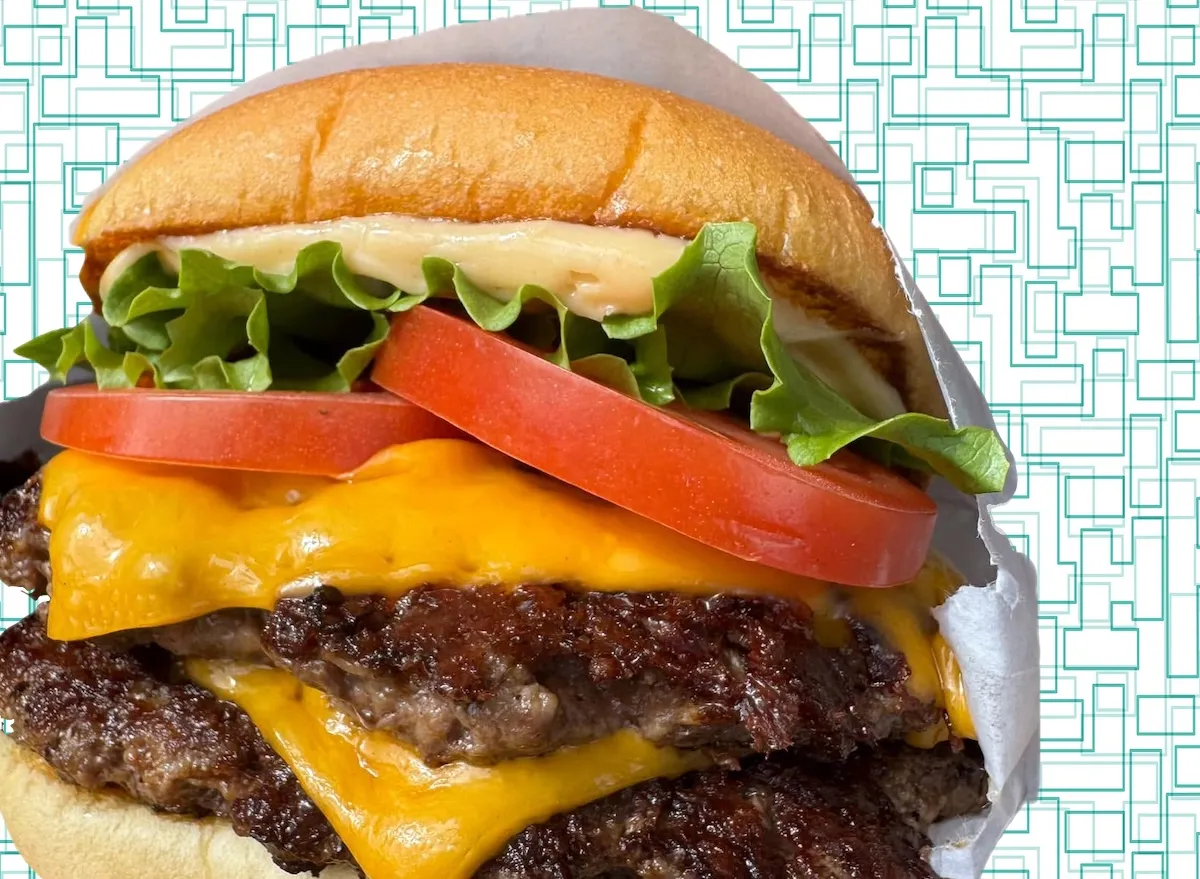
Furthermore, the brand’s commitment extends to its bread. Their famous potato buns are entirely non-GMO, reflecting a holistic approach to the burger-eating experience. In an era where many competitors rely on high-fructose corn syrup and chemical conditioners to keep buns soft, Shake Shack’s commitment to simpler, cleaner ingredients sets a high bar.
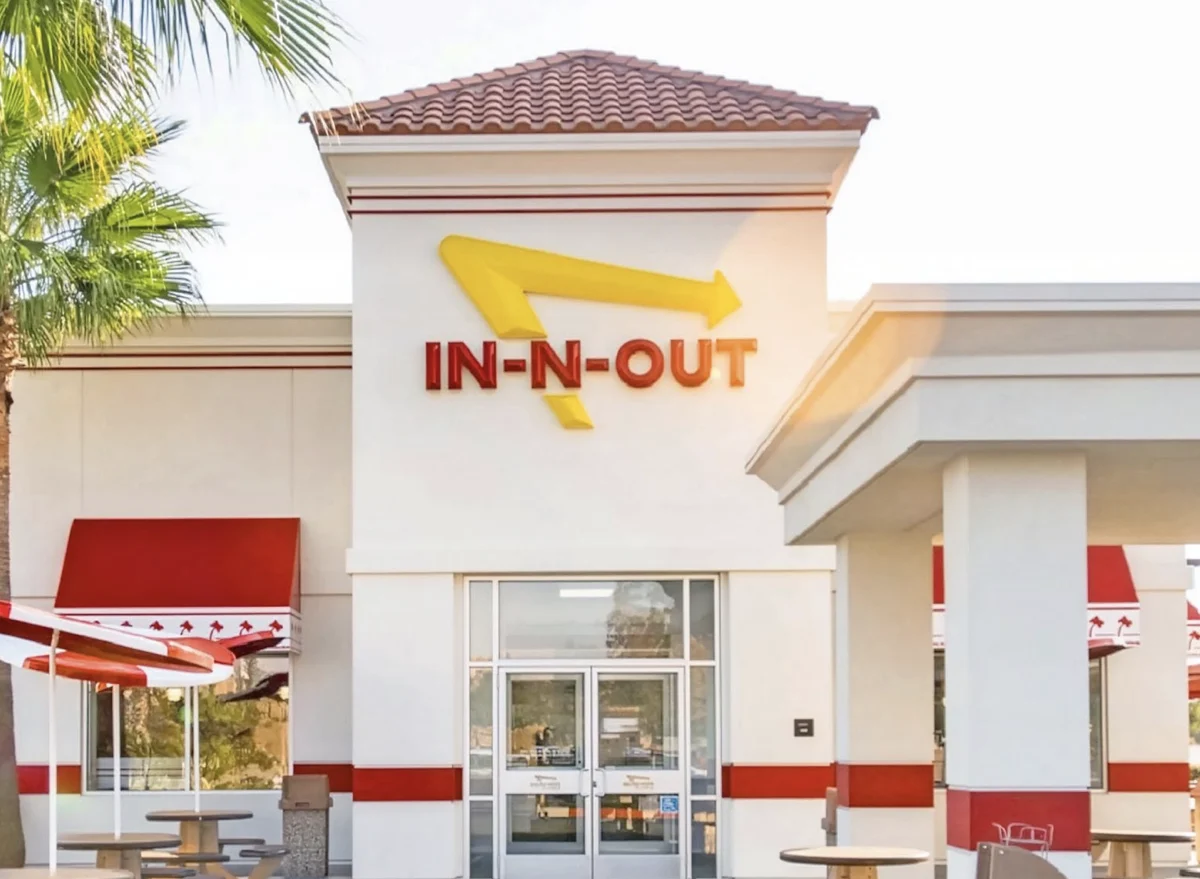
2. In-N-Out Burger: The Gold Standard of Freshness
Few brands command the level of cult-like loyalty enjoyed by In-N-Out Burger. Since its founding in 1948, the chain has maintained a strict "no freezer, no microwave" policy—a rarity in an industry that relies heavily on cold-chain logistics to maintain massive supply chains.
Operational Integrity
The genius of In-N-Out lies in its simplicity. By utilizing 100% USDA-ground chuck, the company avoids the common industry practice of using meat trimmings or additives to pad the weight of a patty. Because the beef is never frozen, it retains its natural juices and texture, resulting in a burger that tastes fundamentally different from those that have spent weeks in a sub-zero warehouse.
In-N-Out’s operational constraints serve as its greatest strength. By refusing to adopt microwaves or freezers, the company is forced to maintain a tight, localized supply chain. This means their distribution centers are always in close proximity to their restaurant locations, ensuring that a patty never has to travel long distances, which is the primary reason many chains resort to freezing in the first place.
3. Five Guys: The Artisan Approach to Volume
Five Guys has successfully scaled the "better burger" concept without sacrificing the artisanal quality that defined its origins. Known for its distinct red-and-white checkered decor and bags of peanuts, the chain’s true value proposition is hidden in its kitchen—or rather, the lack of certain appliances.
The "No-Freezer" Commitment
Like In-N-Out, Five Guys operates with a mandate that no freezers be allowed on-site. Every location receives fresh, never-frozen ground beef, which is hand-pattied and grilled to order. This eliminates the need for preservatives, as the product is meant to be consumed within a very tight window of time.
Beyond the beef, Five Guys has addressed the often-overlooked issue of bread quality. Their buns are baked fresh at local bakeries five days a week and are completely free of high-fructose corn syrup—a sweetener commonly found in mass-market fast-food buns. By focusing on these two pillars—fresh meat and high-quality bread—Five Guys has created a consistent, high-standard product that appeals to the health-conscious consumer.
4. Culver’s: Midwestern Values and Supply Chain Excellence
Culver’s, the Wisconsin-based chain famous for its "ButterBurger," has built its reputation on the idea of regional sourcing and the "fresh-never-frozen" promise. For a chain that has grown significantly across the U.S. Midwest and beyond, maintaining this standard is an impressive feat of logistics.
The Family-Farm Connection
Culver’s sources its beef from a vast network of family-owned cattle farms across the U.S. Midwest. This isn’t just a supply chain strategy; it’s a commitment to the quality of life of the livestock and the integrity of the end product. Because the beef arrives at restaurants fresh, it does not require the artificial fillers or chemical preservatives often used to maintain the structure of frozen patties during the thawing process.
Culver’s philosophy is centered on the "just for you" preparation method. When a customer orders a ButterBurger, the patty is seared on the grill only at that moment. This dedication to made-to-order service ensures that the consumer is not eating a product that has been sitting under a heat lamp, but rather a fresh, hot meal crafted with care.
5. Whataburger: A 24/7 Commitment to Freshness
Whataburger, a Southern institution, has taken its commitment to quality so seriously that it has formalized its standards into a "manifesto." This document serves as a promise to their customers: that their burger will never touch a grill until the moment the order is placed.
The Manifesto of Quality
Whataburger’s focus is on the 100% fresh, never-frozen, USDA-inspected ground beef patties. In an industry that often relies on pre-cooked or flash-frozen meat to keep drive-thru times low, Whataburger’s model requires a highly efficient kitchen and a robust delivery system.
By eliminating additives and preservatives, Whataburger allows the natural, savory flavor of the beef to take center stage. Their commitment to the "fresh, 24/7" model means that regardless of the hour, the customer is guaranteed a product that adheres to the same strict quality standards. It is this unwavering consistency that has allowed the brand to expand across the nation while maintaining the trust of its original, loyal customer base.
Chronology of the "Clean Label" Movement
The transition toward cleaner ingredients in the fast-food sector did not happen overnight. It was a gradual shift fueled by evolving consumer health data and a greater demand for transparency.
- 1948: In-N-Out is founded in California, establishing the original blueprint for "fresh, never frozen" service.
- 1986: Five Guys is established in Virginia, introducing the concept of fresh, hand-pattied burgers to the East Coast.
- 2004: Shake Shack opens in NYC, helping to popularize the "fine-casual" movement, which prioritizes ingredient quality over speed.
- 2010s: The rise of social media and food blogging allows for greater scrutiny of supply chains. Consumers begin to demand "clean labels" and the removal of artificial preservatives.
- 2020–Present: Major chains, including the five mentioned above, double down on their "no-preservative" messaging as a key competitive differentiator in a health-conscious market.
Supporting Data: The Impact of Processing
Why does this matter? Nutritional science has long pointed to the dangers of highly processed foods. The inclusion of preservatives such as sodium nitrate, BHA, and BHT—often found in mass-market fast food—has been linked to various health concerns.
Furthermore, "pink slime" (a controversial ammonia-treated beef product) and other fillers were once common in the industry to increase volume. By sourcing whole cuts of beef, the five chains mentioned in this article avoid these fillers entirely. The result is a lower-sodium, higher-protein, and more nutrient-dense product. According to industry reports, consumers are now willing to pay a premium of 15% to 20% for meals that are labeled "natural" or "preservative-free," signaling a permanent shift in market dynamics.
Official Responses and Transparency
The shift toward transparency has led these companies to publish detailed allergen and sourcing facts on their official websites.
- Shake Shack: Their official allergen and ingredient fact sheets explicitly state, "No hormones and no antibiotics ever." This is a bold claim that is subject to rigorous third-party auditing.
- Whataburger: Their "Commitment to Freshness" page serves as a public declaration, essentially inviting customers to hold them accountable.
- In-N-Out: Through their social media and corporate communications, they consistently emphasize their lack of microwaves and freezers, making it a cornerstone of their brand identity.
Implications for the Future of Fast Food
The success of these five chains carries significant implications for the future of the food industry. As more consumers opt for "clean" fast food, traditional chains that rely on frozen, highly processed ingredients will face increasing pressure to innovate.
We are likely to see a "trickle-down" effect where regional chains are forced to modernize their supply chains to stay relevant. The era of the "mystery meat" burger is fading. In its place, a new standard is emerging: one where freshness, local sourcing, and the elimination of artificial additives are not just a luxury—they are the minimum requirement for success in the 21st-century dining landscape.
For the consumer, the takeaway is clear: you no longer have to sacrifice your health to enjoy the convenience of a quick burger. By choosing establishments that prioritize high-quality, whole ingredients, you are not just buying a meal—you are casting a vote for a more transparent and sustainable food system.