








Introduction: A Pivotal Moment for Global Nutrition
As the global community moves further into the current decade, the intersection of food policy, environmental sustainability, and individual health has never been more critical. The year 2022 served as a watershed moment for these issues, anchored by the landmark White House Conference on Hunger, Nutrition, and Health. This event, the first of its kind in over 50 years, signaled a renewed federal commitment to eradicating food insecurity and curbing the rising tide of diet-related chronic diseases.
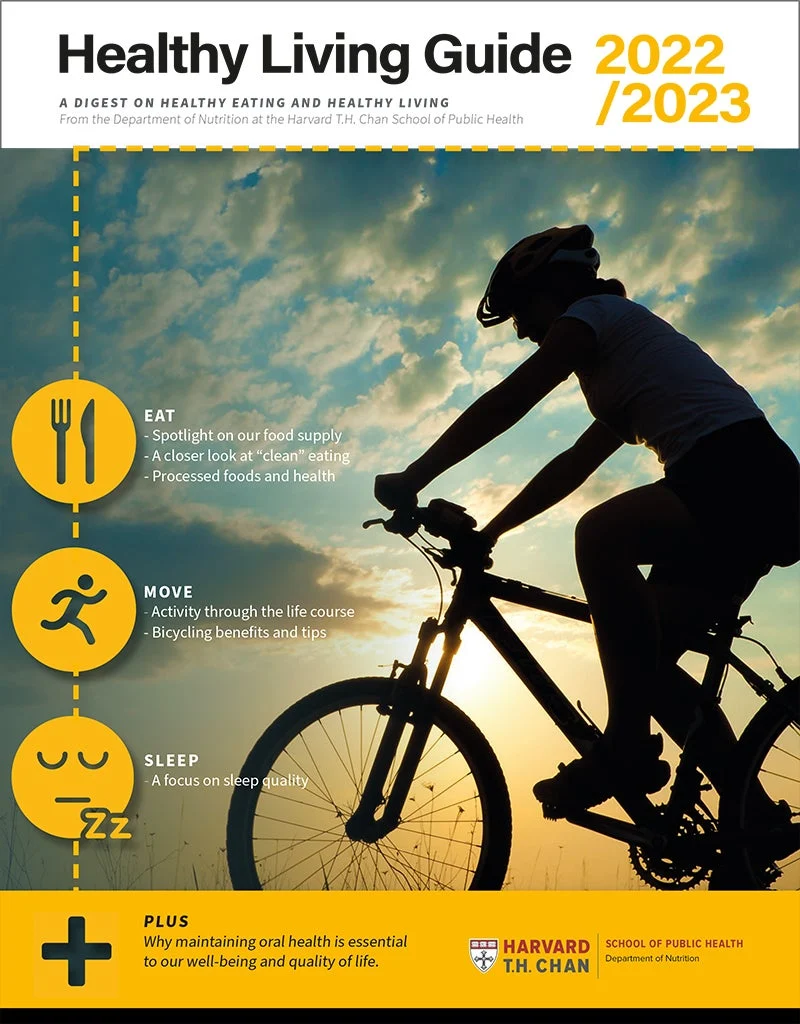
In response to this shifting landscape, leading experts from the Harvard T.H. Chan School of Public Health have released their latest Healthy Living Guide. This resource aims to translate complex nutritional science into actionable daily habits, while simultaneously critiquing the systemic gaps that persist in national health policy.
Main Facts: The 2022 White House Conference and Beyond
The 2022 White House Conference was not merely a ceremonial gathering; it was the catalyst for a comprehensive national strategy aimed at achieving ambitious goals by 2030. The strategy’s core pillars include:
- Improving Food Access and Affordability: Strengthening programs like SNAP and WIC to ensure that low-income families have consistent access to nutritious food.
- Integrating Nutrition and Health: Moving toward a model where "food is medicine," including the integration of medically tailored meals into Medicare and Medicaid benefits.
- Empowering Consumers: Enhancing transparency in food labeling and providing better educational resources for healthy decision-making.
- Supporting Physical Activity: Creating infrastructure that makes exercise accessible to all socioeconomic groups.
While the strategy represents a significant leap forward, the Harvard Department of Nutrition experts—including Drs. Frank Hu, Walter Willett, and Lilian Cheung—have emphasized that systemic change requires more than just clinical intervention. It requires a fundamental restructuring of how we produce, market, and distribute food.
Chronology of a Changing Food System
The journey toward the 2022 conference was a culmination of decades of research and advocacy. To understand the current climate, one must look at the timeline of events that have shaped modern nutritional policy:
- 1969: The original White House Conference on Food, Nutrition, and Health. This historic meeting established the foundation for the Supplemental Nutrition Assistance Program (SNAP) and the modern WIC program.
- 2000–2019: An era marked by the "obesity epidemic," where processed foods, sedentary lifestyles, and rising inequality led to a surge in Type 2 diabetes, heart disease, and hypertension.
- 2020–2021: The COVID-19 pandemic exposed deep cracks in the American food supply chain, disproportionately affecting vulnerable populations and accelerating food insecurity rates.
- September 2022: The Biden-Harris Administration hosts the second-ever White House Conference on Hunger, Nutrition, and Health, announcing a $8 billion commitment to end hunger and reduce diet-related disease by 2030.
- January 2023: The release of the Harvard Healthy Living Guide, providing a roadmap for individuals to navigate their health in the wake of these major policy shifts.
Supporting Data: The Cost of Inaction
The necessity for a national strategy is backed by sobering statistics regarding the state of public health. According to recent public health data:
- Chronic Disease Burden: Diet-related diseases remain the leading cause of death and disability in the United States. Cardiovascular disease, obesity, and diabetes account for a staggering percentage of national healthcare spending.
- The Hunger Gap: Despite being one of the world’s wealthiest nations, millions of Americans face "food deserts"—areas where access to fresh, affordable, and healthy food is severely limited.
- Environmental Impact: Our current food system is a major contributor to greenhouse gas emissions. Research suggests that a transition to a more plant-forward, sustainable diet could reduce an individual’s carbon footprint by up to 30%.
- Policy Gaps: While the 2022 strategy is a step forward, it notably omits robust regulations on the marketing of ultra-processed foods to children—a move experts argue is essential to stemming the tide of childhood obesity.
Official Responses and Expert Critique
The Harvard Department of Nutrition has been vocal in its appraisal of the administration’s strategy. While commending the inclusion of medically tailored meals, the experts noted several "major omissions" that could undermine the initiative’s long-term success.
"To have a significant impact, the administration must bring together the public and private sectors, along with philanthropists, academia, and individuals to develop truly sustainable food systems that support both public and planetary health," the experts noted.
Key Critiques:
- Marketing Restrictions: The absence of federal guidelines restricting the marketing of unhealthy, calorie-dense foods to children leaves a massive vulnerability in the prevention strategy.
- Climate Change Integration: The current plan largely focuses on clinical outcomes, but experts argue that we cannot fix public health without addressing the climate-resilient transformation of our food supply chain.
- Corporate Accountability: Experts suggest that the government must take a firmer stance against the food industry’s role in promoting products that exacerbate public health crises.
Implications: The Role of the Individual
In the face of complex national policy, the question remains: what can the average citizen do? The Healthy Living Guide argues that while systemic change is the ultimate goal, individual agency remains a powerful force.
The Power of Small Changes
The guide emphasizes that no change is too small. Whether it is increasing fiber intake, choosing whole grains over refined carbohydrates, or dedicating 20 minutes a day to physical activity, these incremental steps contribute to long-term health outcomes.
Bridging the Gap Between Policy and Plate
The Healthy Living Guide serves as a practical bridge between the high-level policy discussions occurring in Washington and the reality of the grocery aisle. It includes printable tip sheets, meal-planning templates, and evidence-based summaries that demystify the latest nutritional research.
Deep Dive: Key Themes for 2023
The current edition of the Healthy Living Guide focuses on several core tenets that empower individuals to take control of their well-being:
1. Plant-Forward Nutrition
The guide underscores the importance of shifting toward plant-based proteins. This is not merely a trend but a necessity for longevity. Incorporating beans, lentils, nuts, and whole grains provides essential nutrients while lowering the risk of inflammatory diseases.
2. The Importance of Literacy
Nutritional literacy is a primary defense against misinformation. In an age of fad diets and "superfood" marketing, the guide provides the tools necessary to evaluate research and make informed choices based on the Harvard "Healthy Eating Plate" model.
3. Sustainability in the Kitchen
How we store, prepare, and waste food is as important as what we choose to buy. The guide provides insights into reducing food waste, which serves both the family budget and the broader environmental objective of reducing methane emissions from landfills.
Conclusion: A Call to Action
The path toward a healthier society is multifaceted. It requires a harmonious effort between governmental policy, corporate responsibility, and individual commitment. As we move forward through 2023, the Healthy Living Guide stands as a testament to the fact that while we wait for large-scale policy to catch up to the needs of the population, we must continue to advocate for ourselves and our communities.
The goal is not perfection, but progress. By combining a better understanding of the food system with the implementation of healthy daily habits, we can create a future where the healthiest choice is not just the best choice—it is the easiest, most affordable, and most accessible choice for everyone.
How to Get Involved
For those interested in taking the next step, the full Healthy Living Guide (PDF) is available for download through the Harvard T.H. Chan School of Public Health. Readers are encouraged to utilize these tools, share them within their communities, and stay informed on upcoming policy changes that will shape the future of our food system.
Test your knowledge by revisiting the 2021-2022 guide to see how far you have come in your journey toward a healthier, more sustainable lifestyle.