










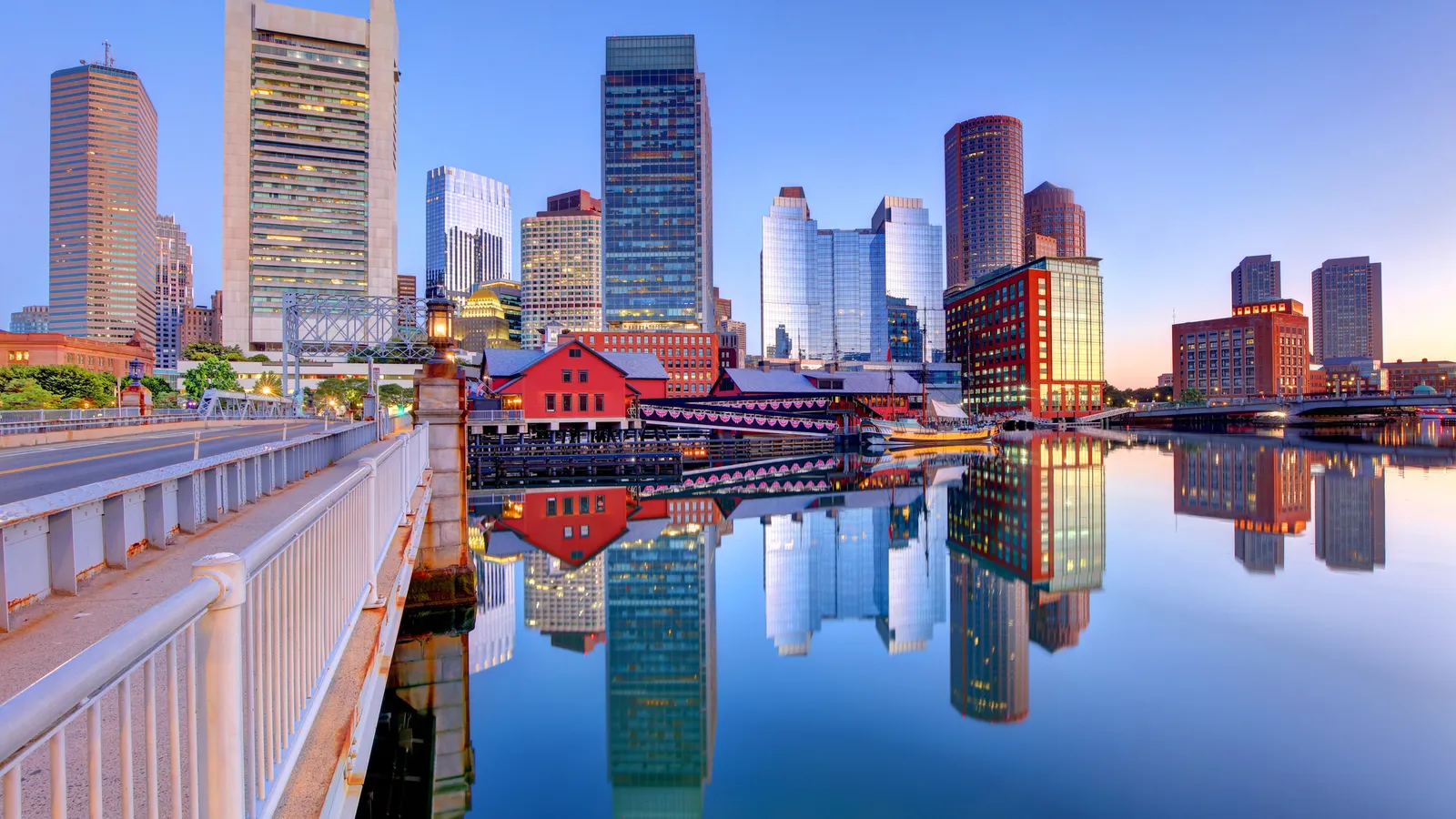
For decades, the mention of "biotech" in the United States evoked a singular mental image: the gleaming glass towers of Kendall Square in Cambridge or the sprawling corporate campuses of suburban Boston. Much like Lancaster County, Pennsylvania, has long been synonymous with the rhythms of agriculture and pastoral tradition, the Greater Boston area cemented itself as the undisputed global capital of life sciences.
However, the industry is currently undergoing a structural realignment. While Massachusetts remains a formidable powerhouse—with MassBio reporting a 14% increase in drug candidates in 2025, significantly outpacing the 6.8% national average—the cracks in the foundation are beginning to show. A combination of persistent industry-wide layoffs and a surplus of vacant lab space has forced companies and investors to rethink the cost-prohibitive nature of traditional hubs. In this shifting landscape, unlikely regions are emerging as the new frontiers of biotechnology, leveraging affordability, specialized manufacturing legacies, and aggressive public-private partnerships to court the next generation of life sciences innovation.
The State of the Industry: A Market in Flux
The current turbulence in the Greater Boston biotech sector is emblematic of a broader economic correction. After years of unchecked capital influx, rising interest rates and a cooling IPO market have triggered a wave of downsizing. This "sputtering engine," as some analysts have described it, has left high-level PhDs and specialized researchers navigating an increasingly competitive, and often shrinking, job market.
Conversely, regions that were previously overlooked are now experiencing a genuine renaissance. These areas are not attempting to replicate the specific ecosystem of Cambridge; instead, they are leaning into their unique industrial histories. By focusing on manufacturing, specialized testing, and regional infrastructure, these emerging hubs are capturing investment that would have previously been diverted to coastal urban centers.
Chronology: From Animal Vaccines to High-Tech Manufacturing
The evolution of these regions is not a sudden phenomenon but a result of long-term economic planning.
- 1882: The establishment of the Lancaster County Vaccine Farm marked the beginning of a 150-year legacy in biological production. This site, which originally utilized animal-based production methods, set the groundwork for what would become a sophisticated manufacturing hub.
- 2022: The U.S. Economic Development Administration awarded a transformative $35 million grant to the Oklahoma Biotech Innovation Cluster, signaling federal confidence in the region’s ability to anchor a national biotech initiative.
- 2025: A pivot point for the industry as major pharmaceutical players, such as GSK, solidified their commitment to non-traditional hubs with massive capital expenditure projects, including an $800 million expansion in Pennsylvania.
- 2026: Roseman University launched "Roseman Bioventures" in Las Vegas, a 120,000-square-foot facility, marking a deliberate attempt by the Nevada region to transition from a service-and-entertainment economy to a high-science participant.
The Triple-Threat Hubs: Emerging Leaders
1. Lancaster County, Pennsylvania: The Manufacturing Heir
Lancaster County is perhaps the most surprising of the emerging hotspots. "A lot of people know us for our agricultural heritage and our relatively high proportion of Amish folks," says Ezra Rothman, president of the economic development organization EDC Lancaster County. "But we have a very strong and diverse manufacturing economy here."
The secret to Lancaster’s success lies in its transition from legacy biological production to modern, high-precision biomanufacturing. GSK’s $800 million project is not merely an expansion; it is a declaration of the region’s viability. This is bolstered by the presence of Eurofins Lancaster Laboratories, which is currently scaling its biopharmaceutical product testing operations. The region’s strength is a combination of affordability, a high-quality workforce, and a strategic location within the Mid-Atlantic corridor, providing easy access to the massive markets of Philadelphia and New York without the astronomical real estate costs.
2. Oklahoma City: The Blueprint for Partnerships
Oklahoma City has distinguished itself through a rigid focus on public-private collaboration. It has been hailed as a "blueprint" by the National Security Commission on Emerging Biotechnology, particularly for its ability to integrate academic research with industrial application.
The city’s strategy is comprehensive. It utilizes the Oklahoma City Innovation District as a nucleus, connecting the University of Oklahoma Health Campus with the Oklahoma Medical Research Foundation. Perhaps most importantly, the region is investing in the human element. The "BioTC" program is a masterclass in workforce development, offering short-term, industry-specific training tailored to the needs of local facilities, with a specific mandate to support low-income individuals. By training the workforce from the ground up, Oklahoma City is ensuring it does not suffer from the "talent gap" that plagues many high-growth sectors.
3. Las Vegas: Beyond the Strip
Las Vegas is rewriting its economic narrative. While still known for entertainment, the city is aggressively courting the biotech sector to diversify its tax base. The launch of Roseman Bioventures is the cornerstone of this effort, providing 120,000 square feet of lab space, regulatory guidance, and investor access.
Jeff Talbot, vice president for research at Roseman University, notes that the appeal is simple: "Las Vegas offers lower operating costs, access to talent, and a growing support network." With eight companies already in residence and hundreds of organizations expressing interest, Las Vegas is proving that the "Vegas model" of high-intensity, rapid-growth development can be applied to life sciences as effectively as it has been to hospitality.
Supporting Data: Why the Shift is Sustainable
The transition to these secondary markets is supported by hard data regarding operational efficiency. In the traditional hubs of Boston, San Francisco, and San Diego, the cost of "burn rate"—the speed at which a company spends its venture capital—is significantly inflated by high lease prices and competitive salaries.
In emerging hubs, companies are reporting:
- Lower Real Estate Overhead: Lab space in Lancaster or Oklahoma City can be secured for a fraction of the cost per square foot compared to Kendall Square.
- Workforce Retention: In markets where the cost of living is lower, talent is more likely to put down long-term roots, reducing the high turnover rates that plague the "revolving door" culture of traditional biotech hubs.
- Government Incentives: States like Pennsylvania and Oklahoma are offering aggressive tax credits and infrastructure grants to attract these companies, creating a "business-first" environment that coastal states are struggling to match.
Official Responses and Strategic Outlook
Economic development leaders like Ezra Rothman are quick to temper expectations. "I would consider, obviously, your major markets, but [take] other places like Lancaster County under serious consideration because there’s momentum toward this ecosystem building and growing here," he states.
The sentiment is clear: the goal is not to "beat" Boston, but to offer a viable, sustainable alternative. The industry is moving toward a decentralized model. Just as the tech industry dispersed from Silicon Valley to Austin and Raleigh-Durham, the biotech industry is recognizing that the most efficient way to scale manufacturing and drug development is to move to where the land is available, the costs are controlled, and the local government is a willing partner.
Implications: A New Era for Biotech
The implications of this shift are profound. For the investor, it suggests a broader search area for Alpha-generating opportunities. For the scientist, it offers a wider array of geographic choices that do not require sacrificing a significant portion of their income to the cost of living.
Furthermore, this shift promotes national security and supply chain resilience. As the U.S. looks to bring pharmaceutical manufacturing back from overseas, these inland hubs provide the necessary infrastructure to scale production. By spreading the biotech industry across the heartland, the U.S. is creating a more robust, diversified, and resilient life sciences sector.
As we look toward the remainder of the decade, the dominance of the traditional coastal hubs will likely persist in research and development. However, the manufacturing, testing, and production phases of the biotech lifecycle will increasingly find their homes in places like Lancaster, Oklahoma City, and Las Vegas. The "biotech map" is expanding, and in doing so, it is becoming more representative of the American industrial landscape as a whole.