










By Science & Health News Desk
February 6, 2026
A landmark longitudinal study published on February 4, 2026, in Neurology Open Access, the official journal of the American Academy of Neurology, has provided compelling evidence regarding the protective power of nutritional choices. The research suggests that women who adhere closely to a Mediterranean-style diet—rich in plant-based foods, lean proteins, and healthy fats—may significantly lower their risk of suffering a stroke.
While the study stops short of claiming that the diet acts as a direct medicinal preventative, it establishes a robust statistical correlation between dietary patterns and long-term neurological health. By tracking over 100,000 women across more than two decades, the findings offer a window into how lifestyle modifications can influence one of the world’s most devastating medical emergencies.
Main Facts: Decoding the Mediterranean Connection
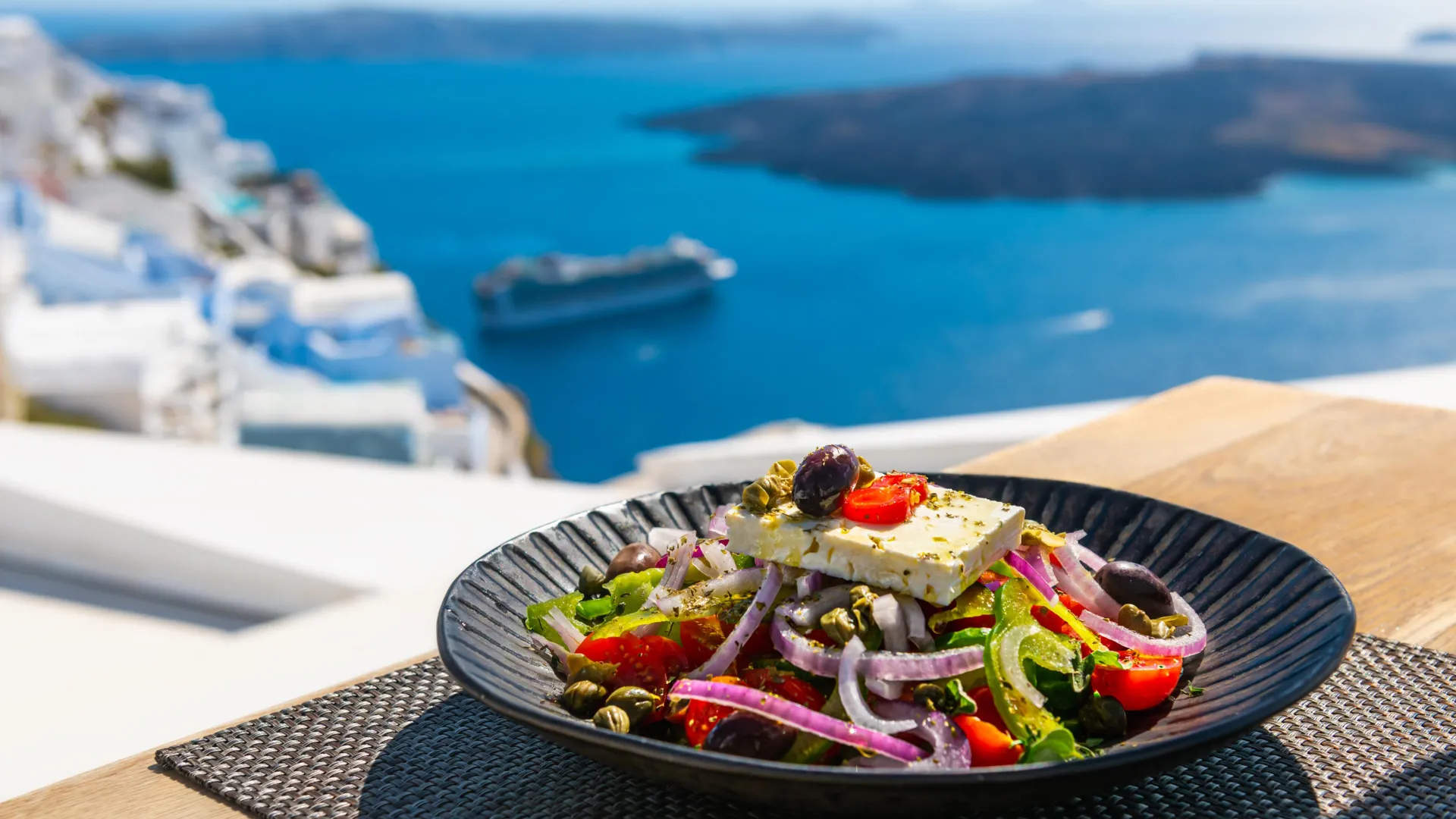
The Mediterranean diet is more than a culinary preference; it is a dietary framework recognized globally for its anti-inflammatory and cardiovascular benefits. The diet prioritizes the consumption of vegetables, fruits, legumes, and fish, while emphasizing the use of olive oil as the primary source of dietary fat. Conversely, it discourages the intake of dairy products, red meat, and foods high in saturated fatty acids.
According to the study, women who most closely aligned with these dietary principles experienced lower rates of both primary types of stroke: ischemic and hemorrhagic.
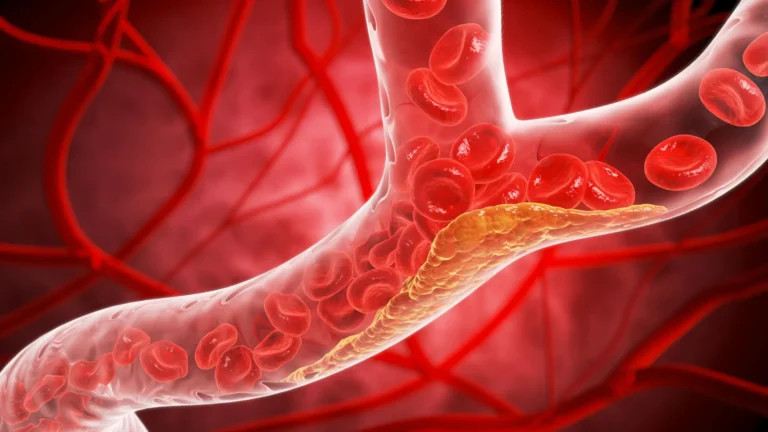
- Ischemic Stroke: The most common form, occurring when a clot or blockage prevents blood flow to the brain.
- Hemorrhagic Stroke: A more severe, though less frequent, event where a weakened blood vessel ruptures, causing bleeding within the brain.
The significance of these findings lies in the breadth of the impact. Researchers observed that the protection offered by the diet was not limited to the common ischemic events but extended to the often more fatal hemorrhagic strokes, a finding rarely highlighted in previous large-scale nutrition studies.
Chronology of the Research: A 21-Year Longitudinal Journey
The study was not a brief snapshot but a massive, 21-year commitment to understanding the nexus between nutrition and brain health.
The Baseline (Study Initiation)
The research began by recruiting 105,614 women, all of whom had no prior history of stroke. The average age of the participants at the start was 53. To ensure accurate data collection, each participant was required to complete a comprehensive dietary questionnaire.
The Scoring Methodology
To quantify the impact, researchers developed a scoring system ranging from zero to nine. This system allowed for a nuanced assessment of how strictly each woman adhered to Mediterranean dietary guidelines.
- Points were awarded for consuming higher-than-average amounts of whole grains, fruits, vegetables, legumes, olive oil, and fish, as well as moderate alcohol consumption.
- Points were deducted or withheld for higher-than-average consumption of red meat and dairy products.
Based on this scale, approximately 30% of the cohort fell into the "highest group" (scoring 6–9), while 13% fell into the "lowest group" (scoring 0–2).
The Monitoring Phase
For over two decades, the health of these women was meticulously tracked. By the conclusion of the study, researchers had documented 4,083 total strokes. The disparity between the high-scoring group and the low-scoring group became increasingly apparent as the data matured, providing a clear trajectory of how dietary consistency influences health outcomes.
Supporting Data: The Statistical Evidence
The raw numbers from the study underscore the protective capacity of the Mediterranean diet. When comparing the outcomes between the highest and lowest diet score groups, the data revealed a striking divergence in stroke incidence.
Stroke Outcomes (Aggregate Data)
- Ischemic Strokes: In the highest-scoring group, there were 1,058 cases, compared to 395 in the lowest-scoring group.
- Hemorrhagic Strokes: The study recorded 211 cases in the highest group and 91 in the lowest group.
Adjusted Risk Factors
Critics of nutritional studies often argue that external variables—such as physical activity levels, smoking habits, and blood pressure—are the true drivers of health outcomes. However, the researchers conducted rigorous statistical adjustments to account for these confounders. Even after isolating these variables, the Mediterranean diet’s protective effect remained statistically significant.
Key Statistical Findings:
- Overall Stroke Risk: Women with the highest Mediterranean diet scores were 18% less likely to experience any form of stroke compared to those in the lowest group.
- Ischemic Risk Reduction: A 16% reduction in risk.
- Hemorrhagic Risk Reduction: A 25% reduction in risk.
The 25% reduction in hemorrhagic stroke risk is particularly notable, as it suggests that the nutritional components of the Mediterranean diet—such as the antioxidants in olive oil and the omega-3 fatty acids in fish—may have specific protective effects on blood vessel integrity in the brain.
Official Responses: Insights from the Scientific Community
Dr. Sophia S. Wang, the study’s lead author and a researcher at the City of Hope Comprehensive Cancer Center in Duarte, California, emphasized the gravity of these findings.
"Our findings support the mounting evidence that a healthy diet is critical to stroke prevention," Dr. Wang stated during the press release accompanying the publication. She noted that the research team was particularly heartened by the efficacy regarding hemorrhagic stroke. "We were especially interested to see that this finding applies to hemorrhagic stroke, as few large studies have looked at this type of stroke," she explained.
Dr. Wang’s perspective reflects a growing consensus in the medical community that nutrition is a primary, rather than secondary, pillar of long-term health. By framing the diet as a modifiable lifestyle factor, the researchers are shifting the conversation from reactive medicine to proactive prevention.
Implications: The Future of Preventive Neurology
The implications of this study are far-reaching, particularly for public health policy and individual dietary counseling.
Why This Matters
Stroke remains a leading cause of mortality and permanent disability worldwide. The economic and human cost of stroke care is astronomical, placing a heavy burden on healthcare systems. If a simple shift in dietary habits can result in a 16% to 25% reduction in stroke risk, the potential for public health improvement is immense.
"It’s exciting to think that improving our diets could lessen our risk for this devastating disease," Dr. Wang remarked. The study suggests that even small, consistent changes—such as substituting butter for olive oil or increasing legume intake—could have cumulative effects over decades.
Limitations and Nuances
While the findings are robust, the scientific team was transparent about the study’s limitations. The primary challenge is the reliance on self-reported dietary information. Human memory is notoriously imperfect, and participants may have overestimated their intake of "healthy" foods or underestimated their consumption of "unhealthy" ones.
Furthermore, because the study is observational, it identifies a strong association rather than a direct cause-and-effect relationship. While the data is highly suggestive, further clinical trials will be necessary to identify the exact physiological mechanisms that translate a Mediterranean diet into a brain-protected state.
Future Research Directions
The research, which was funded by the National Institute of Neurological Diseases and Stroke, has opened several new avenues for inquiry. Future studies are expected to:
- Investigate Biomarkers: Determine if specific nutrients in the diet show up as biomarkers in the blood that correlate with brain vascular health.
- Diverse Demographics: Expand research to include more diverse populations to ensure that these findings are generalizable beyond the initial cohort.
- Mechanism Mapping: Explore how the Mediterranean diet influences systemic inflammation, which is known to be a precursor to many vascular conditions.
Conclusion: A Blueprint for Longevity
The research published in Neurology Open Access serves as a powerful reminder that the choices made at the dinner table have profound, long-term consequences for neurological integrity. While the Mediterranean diet has long been lauded for its heart-healthy benefits, this study cements its status as a vital tool for stroke prevention in women.
As the scientific community continues to dissect the "how" and "why" behind these findings, the current takeaway for the public is clear: adopting a diet rich in whole grains, fish, olive oil, and vegetables is a safe, sustainable, and scientifically supported strategy to lower the risk of one of life’s most life-altering health events. As Dr. Wang and her team look toward future studies, they hope to unlock more precise dietary interventions, but for now, the path to a healthier brain is as simple as a Mediterranean meal.