











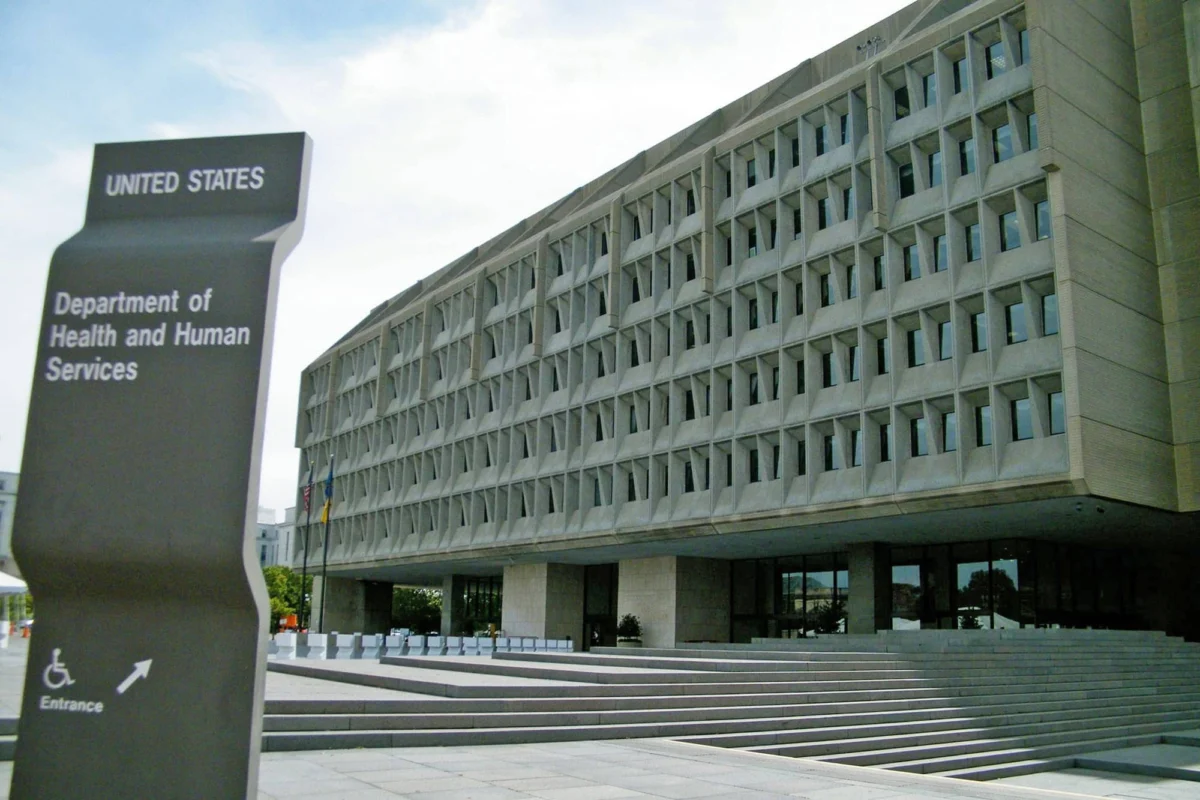
The United States Department of Health and Human Services (HHS) has officially initiated the winding down of the pandemic-era regulatory framework that allowed for the rapid deployment of medical countermeasures. Secretary Robert F. Kennedy, Jr. announced this week that the department has signed determinations to terminate the COVID-19 Emergency Use Authorization (EUA) declarations for drugs, biological products, and medical devices.
This decision marks a significant pivot in federal public health policy, signaling a formal conclusion to the emergency response phase of the COVID-19 pandemic and a return to traditional, rigorous regulatory standards overseen by the Food and Drug Administration (FDA).
Main Facts: Returning to the Regulatory Baseline
The termination of the EUA declarations is not an instantaneous event but a calculated, phased withdrawal designed to maintain stability in the healthcare supply chain. Under the provisions of the Federal Food, Drug, and Cosmetic Act, the Secretary of HHS has the authority to declare that circumstances justifying the authorization of unapproved products no longer exist.
Key details of the transition include:
- Drugs and Biological Products: The EUA declarations for these categories will officially terminate 12 months from the date of the Secretary’s determination.
- Medical Devices: The declarations for medical devices, including diagnostic tests and certain respiratory support equipment, will terminate in 180 days.
- The Rationale: HHS officials have stated that the landscape of public health has shifted fundamentally since 2020. The current availability of FDA-approved, cleared, and licensed products renders the "emergency" status unnecessary.
- Regulatory Alignment: Manufacturers who have relied on the EUA pathway are now required to pivot toward the Biologics License Application (BLA) or New Drug Application (NDA) processes, or obtain 510(k) clearance for devices, to ensure long-term market presence.
Chronology of the EUA Era
To understand the weight of this decision, one must look at the timeline of the federal response to the SARS-CoV-2 virus.
The Emergency Phase (2020–2021)
In early 2020, as the pandemic surged, the regulatory environment was characterized by the need for unprecedented speed. The FDA utilized the EUA mechanism to authorize diagnostic tests, ventilators, and eventually vaccines and therapeutics at a pace that would have been impossible under standard pre-market approval timelines. This allowed for the rapid scaling of medical infrastructure during a period of extreme scarcity.
The Stabilization Phase (2022–2023)
As the virus evolved and the population gained immunity through vaccination and exposure, the urgency subsided. During this period, the FDA began encouraging manufacturers to move toward full approval. Several vaccines and antiviral treatments successfully navigated the transition to full licensure, setting a precedent for the move that is now being mandated for the remaining products still operating under emergency status.
The Termination Phase (2024–2025)
The announcement by Secretary Kennedy represents the final chapter of the emergency framework. By establishing clear "sunset" dates, the government is providing a firm roadmap for the industry to move away from temporary authorizations.
Supporting Data: Why Now?
The decision to terminate the EUAs is rooted in both legal requirements and market realities. According to internal HHS assessments, the healthcare system is no longer in a state of crisis that necessitates the bypassing of standard regulatory protocols.
- Market Saturation: Data from the FDA indicates that there are now multiple FDA-approved alternatives for almost every category of product originally authorized under an EUA.
- Manufacturing Readiness: Over the past four years, manufacturers have had sufficient time to collect the long-term safety and efficacy data required for permanent approval. The "emergency" justification was originally intended to be a stopgap, not a permanent substitute for clinical evidence.
- Public Health Metrics: HHS monitors indicate that while COVID-19 remains a presence in the community, it has moved from a pandemic to an endemic phase, characterized by manageable levels of hospitalization and the availability of therapeutics in standard retail and clinical settings.
Official Responses and Strategic Vision
The transition reflects a broader philosophy of governance currently being championed by the HHS leadership.
The Secretary’s Perspective
"Americans deserve a regulatory system that is transparent, accountable, and rooted in the rule of law," stated HHS Secretary Robert F. Kennedy, Jr. He emphasized that the maintenance of emergency powers for an extended period creates a "perpetual crisis" environment that is unhealthy for both the markets and public trust.
"By ending these COVID-19 emergency use authorization declarations, we’re reinforcing public confidence that emergency authorities are temporary and targeted," Kennedy added. This statement suggests that the administration is eager to restore the traditional check-and-balance system that characterizes the FDA’s standard operating procedure.
Industry and Clinical Perspectives
Healthcare systems and manufacturers have responded to the announcement with a mixture of operational focus and caution. For hospitals, the primary concern is the potential for supply chain disruption. However, the 180-day and 12-month notice periods are intended to mitigate this risk. Industry analysts note that most major pharmaceutical and medical device firms have already transitioned their high-volume products to full approval, meaning the impact will be concentrated on niche products or smaller manufacturers who may now face a "sink or swim" moment regarding their regulatory filings.
Implications for Healthcare Providers and Patients
The end of the EUA period will ripple through the healthcare sector, affecting everything from clinical inventory management to patient access.
Implications for Healthcare Providers
Providers, including hospital systems and outpatient clinics, must audit their current inventory to identify products that are still being used under EUA status. Because these products will no longer be authorized after the expiration dates, providers must coordinate with suppliers to transition to FDA-approved versions. Failure to do so could result in the inability to bill for these items or the potential legal risk of utilizing unapproved medical equipment.
Implications for Patients
For the general public, the shift is designed to be largely invisible. Patients should not expect a reduction in the availability of necessary medical products. Instead, the move is intended to ensure that the products patients receive meet the highest standards of safety and efficacy—the same standards applied to all other medical products in the United States.
The Regulatory Landscape
The FDA will continue to provide guidance and "transition plans" to assist stakeholders during this period. The agency has pledged to work closely with manufacturers to prioritize applications for products that are currently operating under EUA, ensuring that the transition does not result in a "regulatory cliff."
Conclusion: A Return to Orderly Oversight
The termination of the COVID-19 EUA declarations is a milestone in the post-pandemic recovery. By setting firm deadlines, the HHS is signaling that the era of "emergency medicine" and "emergency regulation" is drawing to a close.
While the pandemic necessitated the use of extraordinary tools to protect the public, the longevity of these measures was never intended to be indefinite. The return to traditional regulatory pathways is not merely a bureaucratic requirement; it is an essential component of the federal government’s commitment to public safety and institutional integrity.
As the industry moves forward, the focus will shift from rapid deployment to long-term sustainability. Manufacturers, distributors, and healthcare systems are now tasked with ensuring their portfolios align with the rigorous standards of the FDA. For the public, the move represents a return to the standard level of scrutiny that has long defined the American healthcare system—a change that Secretary Kennedy and the HHS hope will bolster public confidence in the integrity of the medical products that millions of Americans rely on every day.
The coming months will be a critical period of coordination. With the Federal Register set to publish the specific notices of termination, all stakeholders must begin their internal reviews immediately to ensure that when the clocks run out, the transition is seamless and the standard of care remains uninterrupted.