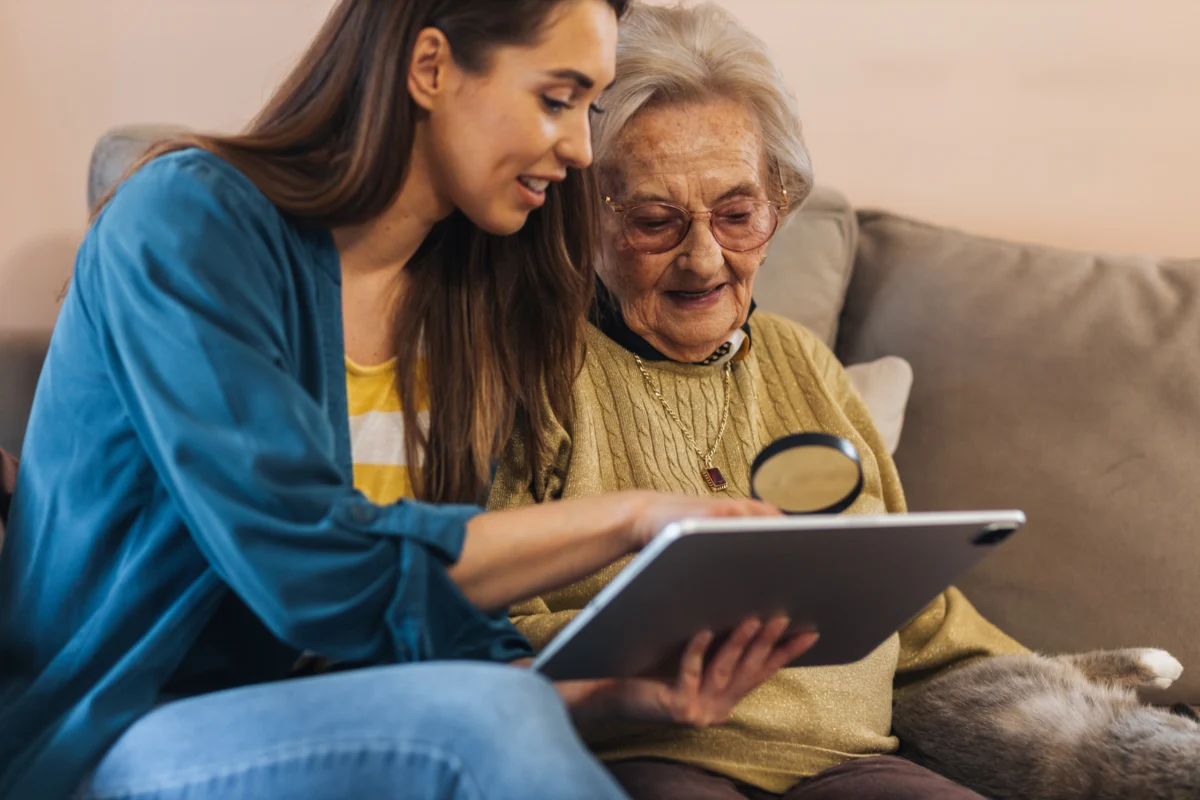
The landscape of modern medicine has undergone a seismic shift, accelerated by necessity and solidified by technological advancement. Telehealth—the delivery of healthcare services through digital communication technologies—has transcended its status as a temporary pandemic-era convenience to become a cornerstone of contemporary medical practice. For the aging population, in particular, this digital transition represents more than just convenience; it is a gateway to sustained independence, proactive disease management, and safer access to care.
As we navigate this new era, understanding the mechanics, benefits, and essential security protocols of virtual care is imperative for patients, caregivers, and providers alike.
The Evolution of Virtual Care: A Chronological Perspective
The journey of telehealth is not as recent as many assume. While the COVID-19 pandemic served as the primary catalyst for mass adoption, the history of remote medical consultation spans decades.
The Foundations (1960s – 1990s)
Early iterations of telehealth began with closed-circuit television systems used by hospitals to consult with remote clinics or reach patients in underserved rural areas. During the late 20th century, these systems were bulky, expensive, and largely inaccessible to the average household.
The Digital Surge (2000 – 2019)
With the advent of high-speed internet and the proliferation of smartphones, the barrier to entry began to drop. Specialized platforms started to appear, focusing on dermatology, radiology, and mental health. However, widespread adoption was hindered by restrictive insurance reimbursement policies and regulatory hurdles across state lines.
The Pandemic Catalyst (2020 – 2022)
The arrival of COVID-19 forced an overnight transformation. Regulatory barriers, such as those related to HIPAA compliance and state licensure, were temporarily relaxed to ensure continuity of care. During this period, millions of patients who had never engaged in a virtual visit discovered its efficacy, leading to a permanent change in patient expectations.
The Modern Standard (2023 – Present)
Today, telehealth is fully integrated into the healthcare ecosystem. It is no longer viewed as a "second-tier" option, but rather a robust, primary method for routine monitoring, chronic disease management, and triage.
The Benefits of Telehealth for the Aging Population
For older adults, the traditional healthcare model—involving travel, waiting rooms, and physical exertion—often poses significant barriers. Telehealth effectively removes these obstacles, offering a safer and more manageable patient experience.
Mobility and Accessibility
For individuals with mobility challenges, a trip to the doctor’s office is a logistical feat requiring transportation coordination and physical navigation of complex buildings. Telehealth allows the doctor to come to the patient, preserving energy and reducing the risk of falls or fatigue.
Infection Mitigation
Waiting rooms are historical hotspots for the transmission of seasonal viruses like influenza, RSV, and COVID-19. For patients with compromised immune systems or underlying health conditions, staying home is not just a preference; it is a health-protective measure.
Continuity of Care
Consistency is the bedrock of managing chronic conditions such as hypertension, diabetes, or depression. Virtual check-ins facilitate more frequent, shorter interactions with healthcare providers, which can lead to better medication adherence and earlier intervention if symptoms begin to deviate from a stable baseline.
Technical Readiness: How to Navigate Your Virtual Visit
The barrier to entry for a telehealth appointment is significantly lower than most patients expect. To ensure a seamless experience, preparation is key.
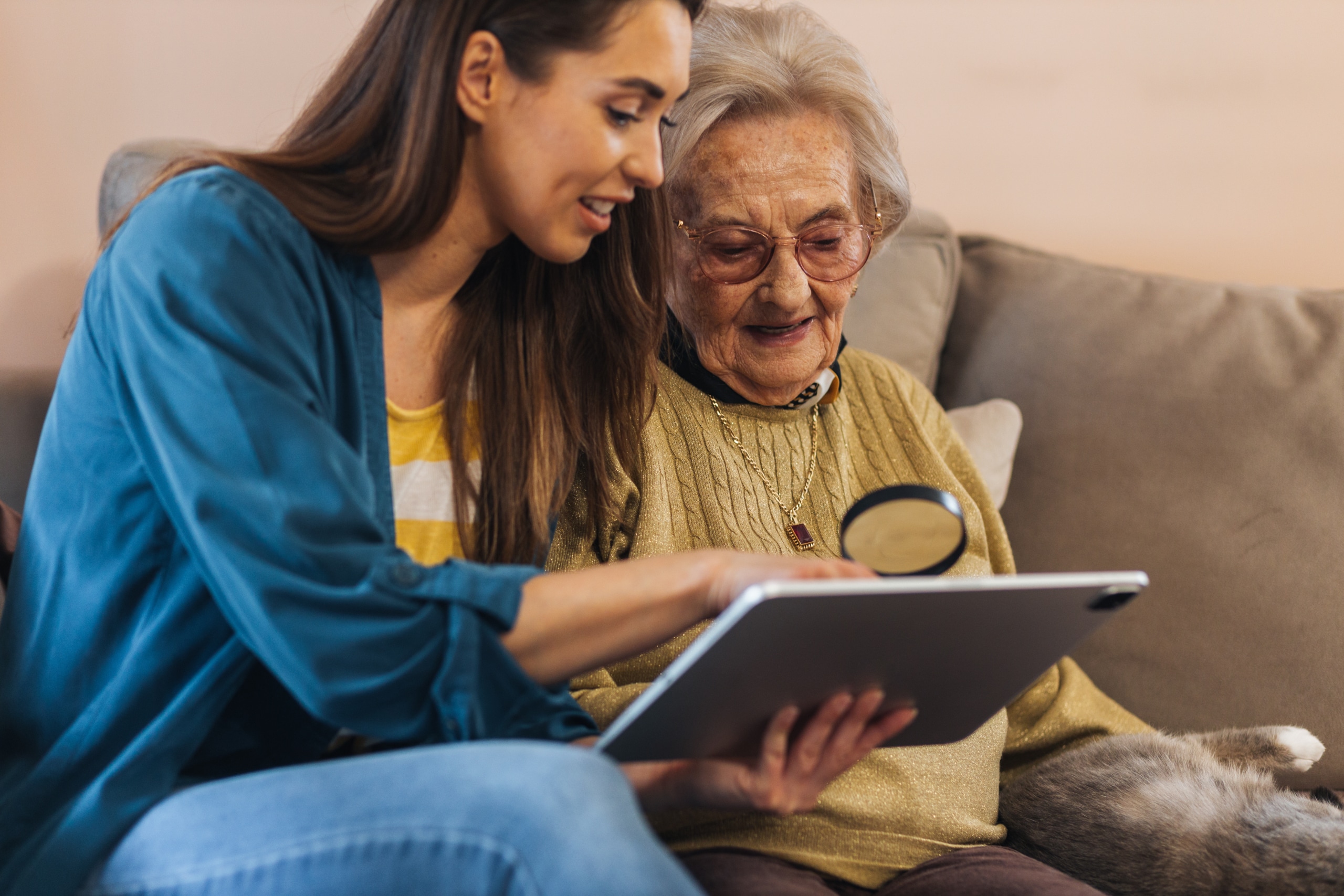
Essential Hardware
- Smartphones or Tablets: These devices come equipped with built-in cameras and microphones, making them the most common and user-friendly tools for virtual visits.
- Laptops or Desktop Computers: For those who prefer a larger screen, a computer equipped with a webcam and microphone is an excellent alternative.
- Reliable Connectivity: A stable Wi-Fi connection or a 4G/5G cellular data plan is necessary to maintain high-quality video and audio throughout the consultation.
The 10-Minute Pre-Flight Protocol
Healthcare providers recommend that patients log in at least 10 minutes before the scheduled start time. This buffer allows for:
- Software Synchronization: Many portals require a quick download of a secure browser plugin or app.
- Hardware Testing: Verifying that your microphone is unmuted and your camera is properly framed ensures that the limited time you have with the provider is focused on clinical matters rather than technical troubleshooting.
- Environment Check: Ensure you are in a quiet, well-lit room where you can speak openly without interruption.
Triage: Determining When to Go Virtual vs. When to Go Physical
One of the most critical skills for a patient in the digital age is knowing how to appropriately triage their own symptoms. While telehealth is versatile, it cannot replace physical examinations or emergency intervention.
When Telehealth is the Ideal Choice:
- Minor Illness: Cold, flu, allergies, or minor skin rashes.
- Follow-ups: Managing chronic conditions, reviewing test results, or adjusting existing medication dosages.
- Mental Health: Routine therapy sessions or medication management for anxiety and depression.
- Administrative Needs: Questions about treatment plans or simple follow-up queries that do not require physical palpation.
When Emergency Care (Hospital/911) is Required:
- Cardiovascular Distress: Chest pain, sudden difficulty breathing, or palpitations.
- Neurological Emergencies: Signs of a stroke, including facial drooping, sudden confusion, slurred speech, or unilateral weakness.
- Acute Trauma: Significant injuries, suspected broken bones, or head trauma.
- Critical Symptoms: High fever (above 104°F), uncontrolled bleeding, or sudden, significant loss of vision or hearing.
Security and Trust: Avoiding Telehealth Scams
As the popularity of telehealth has grown, so too have the efforts of bad actors attempting to exploit patients. Protecting your personal and financial information is paramount.
Verification Principles
- Stick to the Source: Always access telehealth services through your established physician’s office, hospital network, or your insurance company’s official member portal.
- Beware of Unsolicited Offers: Be wary of emails, social media ads, or unsolicited phone calls offering "free" virtual consultations. These are often phishing attempts designed to harvest Medicare numbers or credit card details.
- Insurance Validation: Before booking a service, call the number on the back of your insurance card. Your insurer can provide a list of in-network telehealth platforms that are verified and secure.
Data Privacy
Never share sensitive personal or financial information on a website you did not navigate to yourself through a verified link. If a website asks for your credit card information before verifying your identity through a recognized health system, pause and seek confirmation from your provider.
Implications for the Future of Healthcare
The shift toward virtual care is not a temporary trend; it is a structural evolution. The implications for the healthcare system are profound.
Improving Health Equity
Telehealth has the potential to bridge the gap for rural populations and those in "healthcare deserts" who lack proximity to specialists. By bypassing geographical limitations, patients can access high-quality care regardless of their zip code.
Data-Driven Outcomes
With the integration of wearable technology (like blood pressure cuffs or glucose monitors that sync with smartphones), providers can now receive real-time data from their patients. This moves medicine from a reactive model to a proactive, data-driven discipline.
The Human Element
Critics often fear that technology will strip away the "human touch" of medicine. However, many patients report feeling more relaxed at home, which can foster better communication. As long as technology remains a tool to facilitate the relationship between doctor and patient—rather than replace it—the benefits will continue to outweigh the challenges.
Conclusion: Taking Control of Your Health
Telehealth represents a powerful advancement in the autonomy of patients. By embracing these tools, older adults and individuals with chronic conditions can reclaim time, reduce physical strain, and engage more consistently with their care teams.
As with any transition, the key to success is preparation, vigilance, and clear communication with your medical providers. Whether you are seeking a simple prescription refill or a mental health check-in, the digital door is open. By prioritizing safety and leveraging official channels, you can harness the full potential of modern medicine from the comfort of your own home.
To learn more about how to navigate your healthcare options, visit the telehealth resource section of the Alliance for Aging Research website.
Katrin Werner-Perez is the Director of Health Programs for the Alliance. Her work focuses on bridging the gap between innovative medical technology and the practical needs of the aging population.