









Introduction: A New Frontier in Immunotherapy
In the evolving landscape of oncology, few challenges are as persistent as the treatment of aggressive lymphomas linked to the Epstein-Barr virus (EBV). While immunotherapy has revolutionized the way clinicians approach malignancy, a significant subset of EBV-related lymphomas remains elusive, often evading current treatments due to a lack of detectable viral markers.
At the forefront of this scientific battle is Dr. Herman Van Besien, MD, an Oliver W. Press, MD, PhD Memorial Fellow at Weill Medical College of Cornell University. Through his pioneering research, Dr. Van Besien is working to "reactivate" these dormant viral markers, effectively unmasking cancer cells to the immune system. His work represents a critical shift from traditional, often toxic, chemotherapy toward highly specific, cellular-based interventions.
Main Facts: The Challenge of the "Invisible" Lymphoma
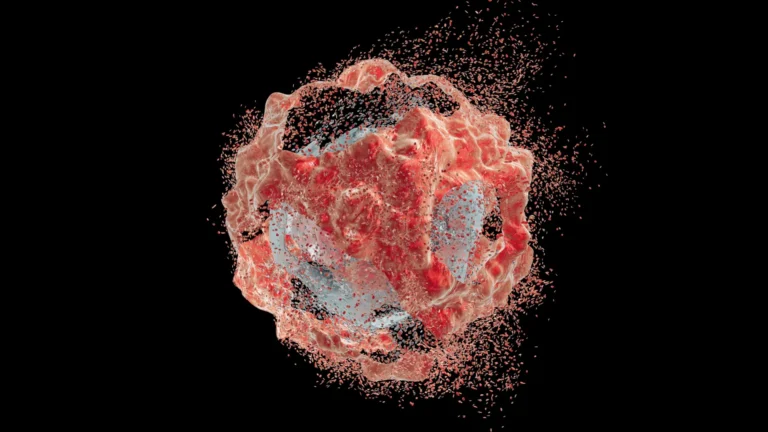
The core of Dr. Van Besien’s research addresses a paradox in modern oncology. Immune-based therapies rely on the ability of the body’s T-cells to recognize specific antigens—or "markers"—on the surface of cancer cells. However, many EBV-associated lymphomas have evolved to hide these markers.
"Many EBV-related lymphomas do not express enough viral markers for immune-based therapies, which are currently one of the most effective treatment options," explains Dr. Van Besien.
His research project is designed to bridge this gap. By utilizing molecular techniques to "switch on" these hidden viral signatures, Dr. Van Besien aims to:
- Enhance Immunogenicity: Making the cancer cell visible to the patient’s own immune system.
- Expand Eligibility: Increasing the number of patients who qualify for T-cell therapies.
- Reduce Toxicity: Moving away from broad-spectrum chemotherapy—which damages healthy tissue—in favor of precision-targeted cellular therapy.
Chronology: A Path Forged in Compassion and Innovation
The journey to this research project began long before Dr. Van Besien arrived at Weill Cornell. His trajectory is a testament to the influence of family, academic rigor, and a shifting medical paradigm.
The Foundation of a Physician-Scientist
As a second-generation hematologist-oncologist, Dr. Van Besien’s interest in medicine was cultivated at the dinner table. Watching his parents navigate the complexities of patient care with deep compassion instilled in him a foundational belief that medicine is as much an art of human connection as it is a science of cellular pathways.
The Turning Point: The Rise of Immunotherapy
Dr. Van Besien’s medical education coincided with a historic era in oncology. During his residency and medical school training, immunotherapy transitioned from a theoretical concept to the "fourth pillar" of cancer care, standing alongside surgery, chemotherapy, and radiation.
"I came through medical school and residency at a time when immunotherapy had solidified itself as a true fourth pillar in cancer therapy," he notes. It was during this period that he developed a clinical fascination with adoptive T-cell therapy, recognizing that the body’s own immune architecture held the most potent keys to potential cures.
Mentorship and Professional Growth
A pivotal moment in his career was his participation in the Lymphoma Scientific Research Mentoring Program. This program provided not only technical guidance but also the professional network necessary to sustain a career in the high-pressure environment of academic medicine. Today, as the Oliver W. Press, MD, PhD Memorial Fellow, he is focused on synthesizing these experiences into a singular goal: the clinical translation of viral-directed T-cell therapy.
Supporting Data: The Mechanics of EBV-Directed Therapy
To understand the significance of Dr. Van Besien’s work, one must understand the biology of EBV. EBV is a common virus, but in certain contexts, it can drive the transformation of B-cells into aggressive lymphoma.
Current T-cell therapies work by "programming" immune cells to recognize the viral proteins that appear on the surface of these transformed cells. When those proteins are absent or downregulated, the T-cells pass the cancer by, effectively rendering the treatment useless.
Dr. Van Besien’s laboratory approach focuses on:
- Epigenetic Modulation: Using pharmacological agents to modify the expression of viral genes within the lymphoma cell.
- Cellular Engineering: Enhancing the "seeking" capabilities of the T-cells used in adoptive therapy.
- Combination Strategies: Testing how these "unmasked" lymphoma cells respond to established checkpoint inhibitors and other immunomodulatory drugs.
The success of this approach could potentially rewrite the standard of care for patients with refractory EBV-positive lymphomas, who currently have limited options outside of high-dose, high-toxicity systemic regimens.
Official Responses and Perspectives
The academic and clinical community has taken notice of Dr. Van Besien’s work, citing it as an essential component of the "next wave" of lymphoma research.
The Role of Foundation Support
Reflecting on his support from the Lymphoma Foundation, Dr. Van Besien emphasizes the role of institutional backing in high-risk, high-reward research. "I feel very fortunate to have the continued support of the Foundation, and this support inspires me to continue along the challenging path of a physician-scientist," he says.
The Vision for Clinical Trials
When asked about the future, Dr. Van Besien is clear-eyed about the transition from the laboratory bench to the patient bedside. "I hope to translate my laboratory work to clinical practice by developing clinical trials studying my viral-directed cellular therapies in combination with other treatments," he explains.
He emphasizes that the beauty of current lymphoma research lies in its creativity. "I continue to be inspired by the clever and creative ways that we are using the immune system to fight lymphoma. I am confident that we will continue to refine these therapies in ways that will eventually lead to a cure."
Implications: The Future of Lymphoma Treatment
The broader implications of Dr. Van Besien’s research extend beyond just EBV-associated cancers.
Personalized Medicine
By focusing on the specific viral markers of individual cancers, Dr. Van Besien is contributing to the growing field of personalized oncology. The move toward treatments that are tailored to the specific molecular profile of a patient’s disease is the defining trend of 21st-century medicine.
Quality of Life
Perhaps the most significant implication for patients is the potential reduction in toxic side effects. Chemotherapy, while effective, often comes at a high price to the patient’s long-term health. If Dr. Van Besien’s viral-directed T-cell therapies prove successful, they could offer a more targeted, "gentler" alternative that maintains efficacy while preserving the patient’s quality of life.
The "Fourth Pillar" Evolution
As we move deeper into the decade, the integration of cellular therapies—such as CAR-T and other adoptive cell transfers—into frontline treatment plans remains a primary objective. Dr. Van Besien’s work is helping to expand the boundaries of these treatments, ensuring that they are not just reserved for late-stage patients, but are optimized for a broader range of clinical scenarios.
Conclusion
Dr. Herman Van Besien’s work is more than just a research project; it is a manifestation of a career built on the intersection of deep-seated empathy and rigorous scientific curiosity. By targeting the "hidden" drivers of lymphoma, he is providing a beacon of hope for patients who have historically been left behind by standard immunotherapy.
As he continues his tenure at Weill Medical College, the medical community remains optimistic. Through the ongoing synergy of academic mentorship, foundation support, and clinical innovation, Dr. Van Besien is helping to shape a future where lymphoma is not merely managed, but effectively cured through the refined, brilliant power of the human immune system.