










For many, the life of a modern country music superstar is defined by late nights, tour bus fatigue, and the relentless pressure of a demanding schedule. For Riley Green, however, the "grind" is not an obstacle to be avoided—it is a discipline to be mastered.
As the "Worst Way" singer navigates the peak of his career, he is doing so with the same intensity he once brought to the football field as a college quarterback at Jacksonville State. Whether he is selling out arenas, topping the Billboard charts, or stepping onto a television set, Green has cultivated a lifestyle that mirrors the precision of a high-performance athlete. As he approaches his 37th birthday, Green remains a gold standard for fitness in the music industry, proving that even with a packed calendar, health remains his primary non-negotiable.
Main Facts: A Career in Full Bloom
Riley Green’s current trajectory is nothing short of historic. The North American leg of his 2026 Cowboy As It Gets tour is currently in high gear, coming on the heels of a massive, sold-out run in Australia. His musical dominance continues unabated; his single "Change My Mind" hit the No. 1 spot this past June, and his latest track, "Think As I Drunk," is already making waves. Anticipation is at a fever pitch for the September 18th release of his upcoming album, That’s Just Me.
Beyond the recording studio, Green has successfully pivoted to the small screen. He has wrapped his first major acting role on Taylor Sheridan’s Marshalls, served as a co-host for ABC’s broadcast of CMA Fest, and has been tapped as a coach for the newest season of NBC’s The Voice. Yet, despite this "Swiftian" level of output, Green’s most impressive feat remains his unwavering commitment to his physical conditioning—a discipline he credits for his sustained energy.
Chronology of an Artist-Athlete
Green’s journey from the gridiron to the global stage was paved by a work ethic formed in his youth. Growing up in Alabama, he was a three-sport high school athlete who idolized legends like Troy Aikman. Long before the fame, he was balancing the physical toll of construction work with the creative labor of songwriting.
- Early Years: A standout high-school and college athlete, Green developed a foundation of physical discipline that never left him.
- The Construction Grind: Before he was a multi-platinum headliner, Green worked manual labor jobs. He notes that the physical toll of working with his hands was his first real lesson in managing daily soreness and structural health.
- The Breakthrough: As his music career took off, Green had to transition from a full-time athlete’s schedule to a touring musician’s erratic lifestyle.
- The COVID Reset: During the global pandemic, Green invested in a home gym, which became the blueprint for his current "mobile" training philosophy.
- 2026 Expansion: Today, he is effectively merging his two worlds: the high-intensity life of a touring country star and the disciplined, measured life of an athlete.
Supporting Data: The Mobile Gym Philosophy
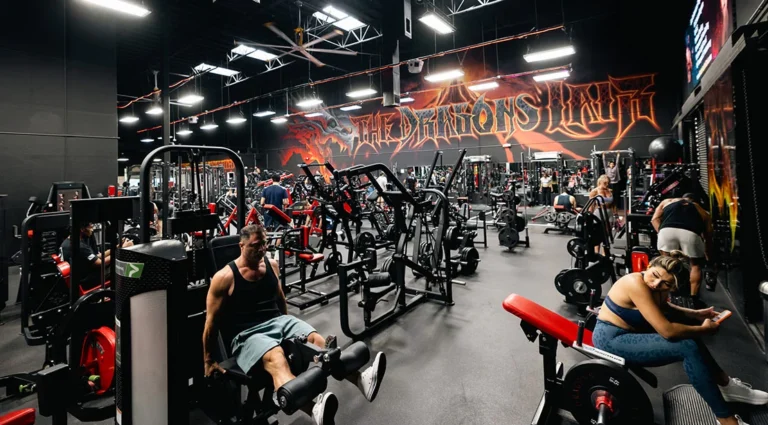
Maintaining a six-pack while touring cross-country is, for most, a logistical impossibility. Green has circumvented this by bringing the gym with him. He has outfitted a specialized trailer—towed behind his tour bus—with a Smith machine, free weights, and everything necessary for a high-intensity circuit.
"I used to try to find a Planet Fitness in every city, but that became impossible," Green says. "Having a gym on-site just makes it that much easier. 90% of the battle is motivation. If the equipment is right there, I’m going to use it."
The "Efficiency-First" Workout Routine
Green’s training is defined by efficiency. He does not waste time with long, aimless sessions. Instead, he favors a "bro-split" approach designed to maximize intensity in 30 to 45 minutes:
- Chest Day: He cycles through flat, incline, and decline bench presses, followed by flys and dips, performing sets of 8–10 with minimal rest.
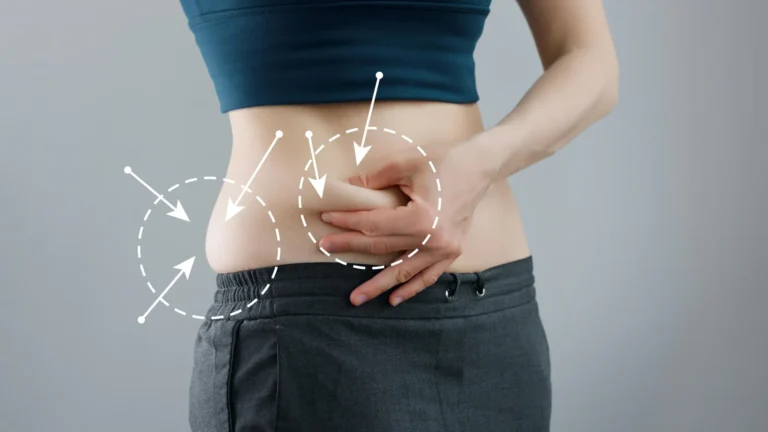
- Core Circuit: To combat back pain caused by years of football injuries and travel, he has implemented a 20-minute core circuit consisting of hanging leg raises, weighted leg lifts, flutter kicks, and bicycle crunches.
- The Warm-up: Drawing on his college football days, Green now prioritizes a 30-minute warm-up and stretch session before his workouts. He admits this is the "biggest game-changer" for his recovery at age 37.
Official Responses: The Mindset of a Performer
Green is candid about the "red zones" of his energy levels. He admits that there are times when the travel schedule becomes so grueling that he has to trade a workout for recovery or a round of golf.
"I go through waves of extreme motivation," Green says. "Then there’s a lull where the travel gets insane. I’ve learned that I have to find a way to get back to it."
When asked about his songwriting success—specifically his feat of landing back-to-back solo-written No. 1 singles—Green attributes it to the same "reps" mentality as his workouts. "My mindset is, write as many songs as you can. If you write 30 mediocre songs, you’re going to get one good one. Sometimes those mediocre ones surprise you."
Regarding his recent foray into acting in Marshalls, Green acknowledges the vulnerability of being a novice on a professional set. "Acting made me more nervous than anything I’ve done in a while. It’s a team effort. There are so many people on set relying on me to do my job correctly before they can leave. I had to lean on guys like Luke Grimes to show me the ropes."
Implications: The Future of the "Artist-Athlete"
Riley Green’s influence extends beyond his music. He represents a new breed of celebrity who refuses to choose between professional excellence and physical vitality. By treating his body like the instrument it is, he has managed to avoid the common burnout that plagues artists who prioritize the party over the process.
The "Bucket List" Impact
Green’s commitment to athleticism isn’t just for show. He has an ambitious goal to take batting practice at every MLB stadium in the country. Having already hit home runs in Philadelphia, Toronto, and Cincinnati, he is determined to conquer the remaining 24.
This behavior reinforces a key implication of his brand: Riley Green is not an act. Whether he is throwing a tight spiral on The Pat McAfee Show, playing a set at a major festival, or grinding through a late-night set of hanging leg raises on a tour bus, the consistency is the point.
Lessons in Longevity
At 37, Green is proving that you don’t have to sacrifice your health to sustain a massive career. His transition from an athlete who relied on natural talent to an adult who relies on structure, stretching, and targeted core work serves as a masterclass for others in the industry.
As he prepares for the release of That’s Just Me and continues his rise as a television personality, the question is not whether Riley Green can keep up the pace—it’s whether the rest of the industry can keep up with him. With a trailer full of iron in tow and a discipline that never wavers, Green is clearly not planning on slowing down anytime soon. As he puts it, "As long as I’m working out fairly consistently, I’m going to be in decent shape. I just have to keep finding ways to do it with everything else going on."
For Riley Green, the stage is just another field, and he intends to play the game with the same vigor he’s possessed since his days in Alabama. He has built a music empire and a physical foundation that are, by all accounts, built to last.