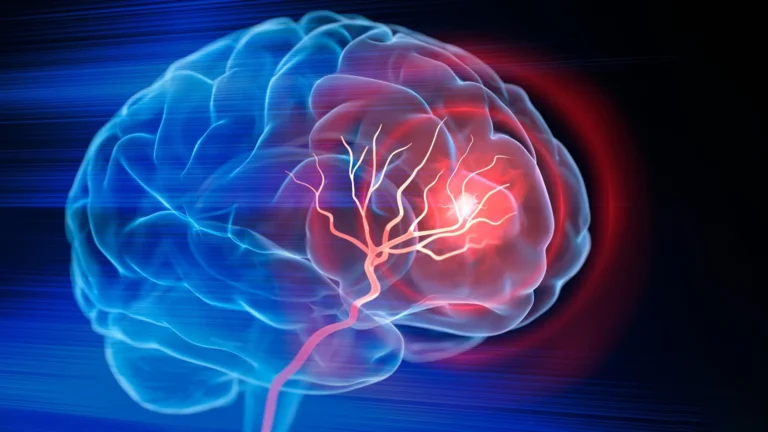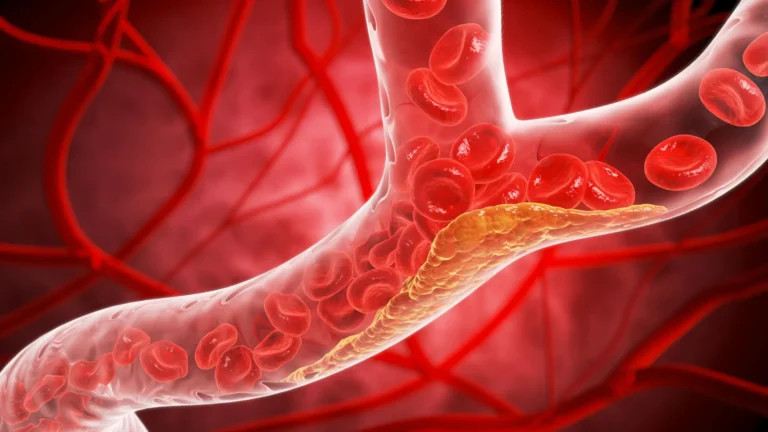




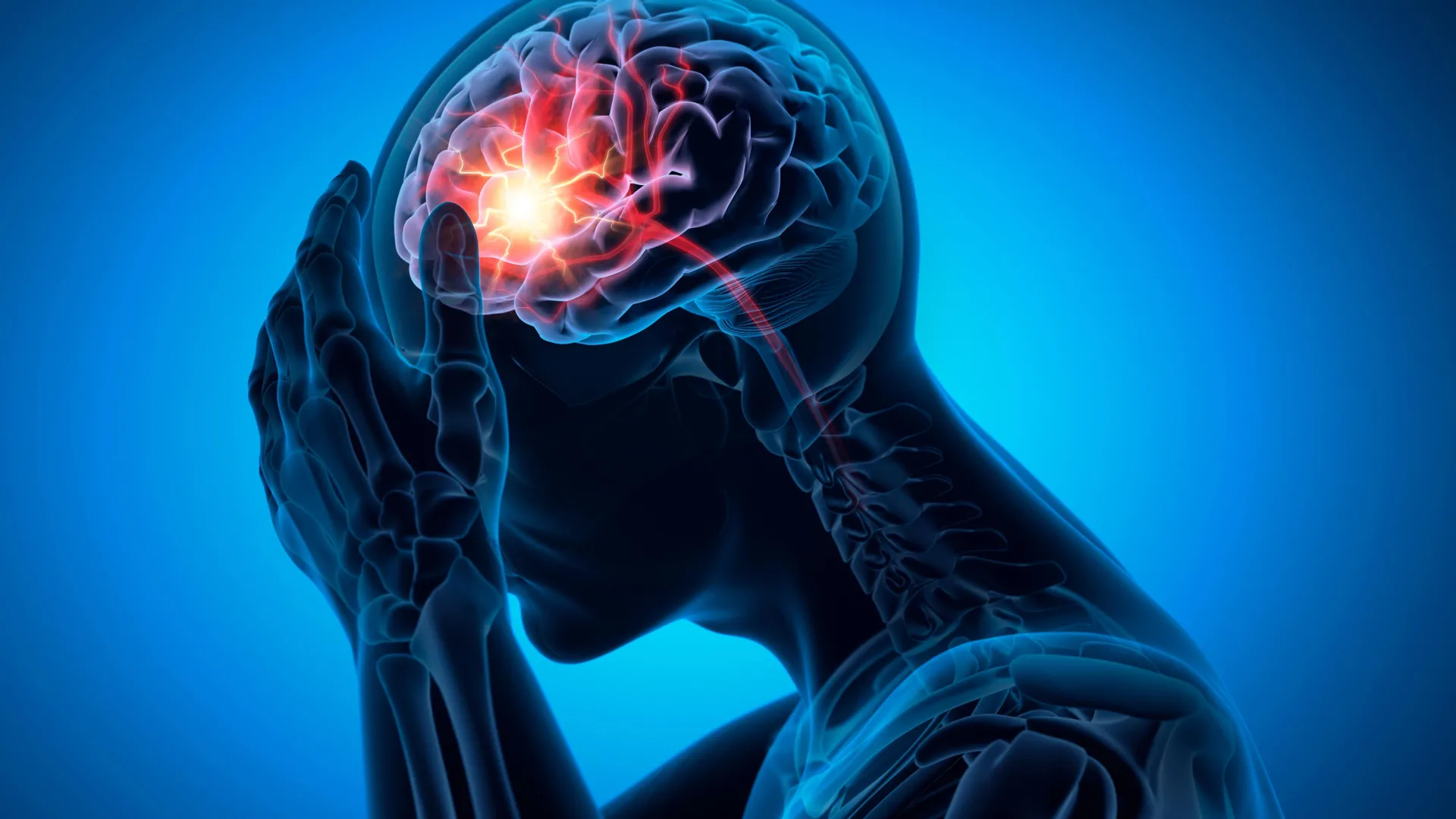
In a discovery that promises to reshape the landscape of neurology and vascular medicine, an international team of researchers has uncovered evidence suggesting that the medical community has fundamentally misunderstood the root cause of a common, debilitating form of stroke. For years, the prevailing medical consensus has held that lacunar ischemic strokes—which account for a significant portion of all strokes—are primarily the result of fatty plaque buildup, or atherosclerosis, in the brain’s arteries.
However, a landmark study published in the journal Circulation indicates that the culprit is not, in fact, arterial narrowing. Instead, the evidence points toward the structural degradation of the brain’s smallest blood vessels, specifically characterized by the enlargement and elongation of these vessels. This paradigm shift offers a long-awaited explanation for why standard preventive treatments, such as aspirin and traditional antiplatelet therapies, have consistently underperformed in preventing secondary lacunar events.
The Chronology of a Medical Mystery
For decades, clinicians have approached stroke prevention with a "one-size-fits-all" mentality, heavily reliant on the management of systemic cardiovascular risk factors. Patients presenting with stroke symptoms were routinely prescribed antiplatelet agents—drugs designed to prevent blood clots from forming on fatty plaques. While these treatments have been life-saving for patients suffering from large-vessel strokes, their efficacy in the context of lacunar stroke has remained frustratingly inconsistent.
The journey to this discovery began with a simple, yet persistent clinical observation: patients who had experienced a lacunar stroke—a small-vessel event often associated with cognitive decline, mobility issues, and dementia—were suffering recurrent, "silent" strokes despite strict adherence to their prescribed medication regimens.
To investigate this phenomenon, researchers from the University of Edinburgh, the UK Dementia Research Institute, and an international cohort of scientists initiated a rigorous longitudinal study. They recruited 229 participants who had recently experienced either a lacunar stroke or a mild non-lacunar stroke. The study design was meticulous: participants underwent comprehensive clinical and cognitive evaluations, paired with high-resolution MRI brain scans at the time of their initial stroke and again exactly one year later. This longitudinal imaging allowed the team to create a "map" of how small vessel disease (SVD) progressed within the brain, independent of the interventions being administered.
Unmasking the Culprit: Artery Widening vs. Fatty Plaque
The core of the study involved a comparative analysis between two distinct vascular pathologies: the "fatty narrowing" of large arteries (the traditional suspect) and the "widening and elongation" of the brain’s microvasculature.
The data was striking. The researchers found that the narrowing of large arteries, while a hallmark of systemic atherosclerosis, was not associated with the development of lacunar strokes or the progression of small vessel disease. In fact, patients whose primary pathology was large-vessel narrowing did not show an increased risk of the specific type of brain injury associated with lacunar strokes on their follow-up scans.
Conversely, the data revealed a powerful correlation between artery enlargement and lacunar stroke. Patients exhibiting widened, dilated, or elongated arteries within the brain were more than four times as likely to have experienced a lacunar stroke compared to those without these structural changes.
Perhaps more concerning was the discovery of "silent strokes." Even among the 229 participants who were receiving standard, gold-standard stroke prevention medications, more than one in four developed new areas of brain tissue damage—small, symptomless infarctions—over the course of the single-year study. This "silent" progression serves as a stark indictment of current preventive strategies, proving that the underlying pathology is not being halted by conventional antiplatelet therapy.
Supporting Data and Clinical Implications
The research team’s findings provide a robust statistical basis for re-evaluating how we classify stroke risk. By monitoring the progression of small vessel disease through sequential MRI, the study demonstrated that artery widening acts as a biological marker for a more aggressive, progressive form of brain injury.
Key data points from the study include:
- Fourfold Risk: Patients with identified arterial widening faced a 400% increase in the likelihood of a lacunar stroke.
- Failure of Standard Care: The development of silent strokes in over 25% of the study population while on standard treatment highlights a significant "therapeutic gap."
- Progressive Decline: The study linked artery widening to the rapid progression of small vessel disease, which directly correlates to the long-term deterioration of cognitive and motor functions.
This data is not merely academic; it is currently being used to guide the development of the LACunar Intervention Trial 3 (LACI-3). Unlike previous trials that relied on medications designed to thin the blood or prevent clotting, LACI-3 is evaluating drugs that target the microvascular integrity of the brain itself. By focusing on agents such as cilostazol and isosorbide mononitrate, researchers hope to protect the brain’s structural foundation rather than simply treating the symptoms of blood flow disruption.
Official Responses and the Expert Perspective
The implications of this study are being felt across the international neurological community. Professor Joanna Wardlaw, a leading expert in applied neuroimaging at the University of Edinburgh’s Institute for Neuroscience and Cardiovascular Disease and a Group Leader at the UK Dementia Research Institute, has been vocal about the need for a total pivot in clinical strategy.
"This study provides strong evidence that lacunar stroke is not caused by fatty blockage of larger arteries, but by disease of the small vessels within the brain itself," Professor Wardlaw stated following the publication. "Recognising this distinction is crucial, because it explains why conventional treatments like antiplatelet drugs are not as effective for this type of stroke and highlights the urgent need to develop new therapies that target the underlying microvascular damage."
The scientific community has lauded the study for its multidisciplinary approach. By integrating expertise from the UK, China, and Mexico, the research team was able to validate their findings across diverse patient populations. Funding for this endeavor was substantial, reflecting the high priority placed on dementia and stroke research by organizations such as the UK Medical Research Council, the Alzheimer’s Society, the British Heart Foundation, and the Leducq Foundation.
The Path Forward: A New Era of Stroke Prevention
As the medical field absorbs these findings, the focus is shifting from "plaque management" to "vessel health." The realization that lacunar stroke is a disease of the structure and integrity of the small vessels suggests that future treatments must focus on endothelial health, arterial elasticity, and the prevention of micro-vascular remodeling.
The LACI-3 trial stands as the flagship of this new movement. If successful, it could signal the end of the reliance on aspirin as a default for small-vessel disease and usher in a new class of "vasoprotective" medications. For the millions of individuals living with small vessel disease, the research offers a glimmer of hope that the progression toward dementia and permanent disability might finally be stoppable.
In the final analysis, this research serves as a reminder that in medicine, as in all sciences, the most deeply held assumptions are the ones most in need of rigorous interrogation. By looking past the obvious presence of fat and cholesterol and into the delicate, intricate architecture of the brain’s smallest blood vessels, researchers have opened a new door—one that could prevent the silent, devastating progression of the world’s most common form of stroke. The challenge ahead lies in rapidly translating these insights from the MRI machine to the pharmacy shelf, ensuring that the next generation of stroke patients receives care that actually addresses the root of their disease.