











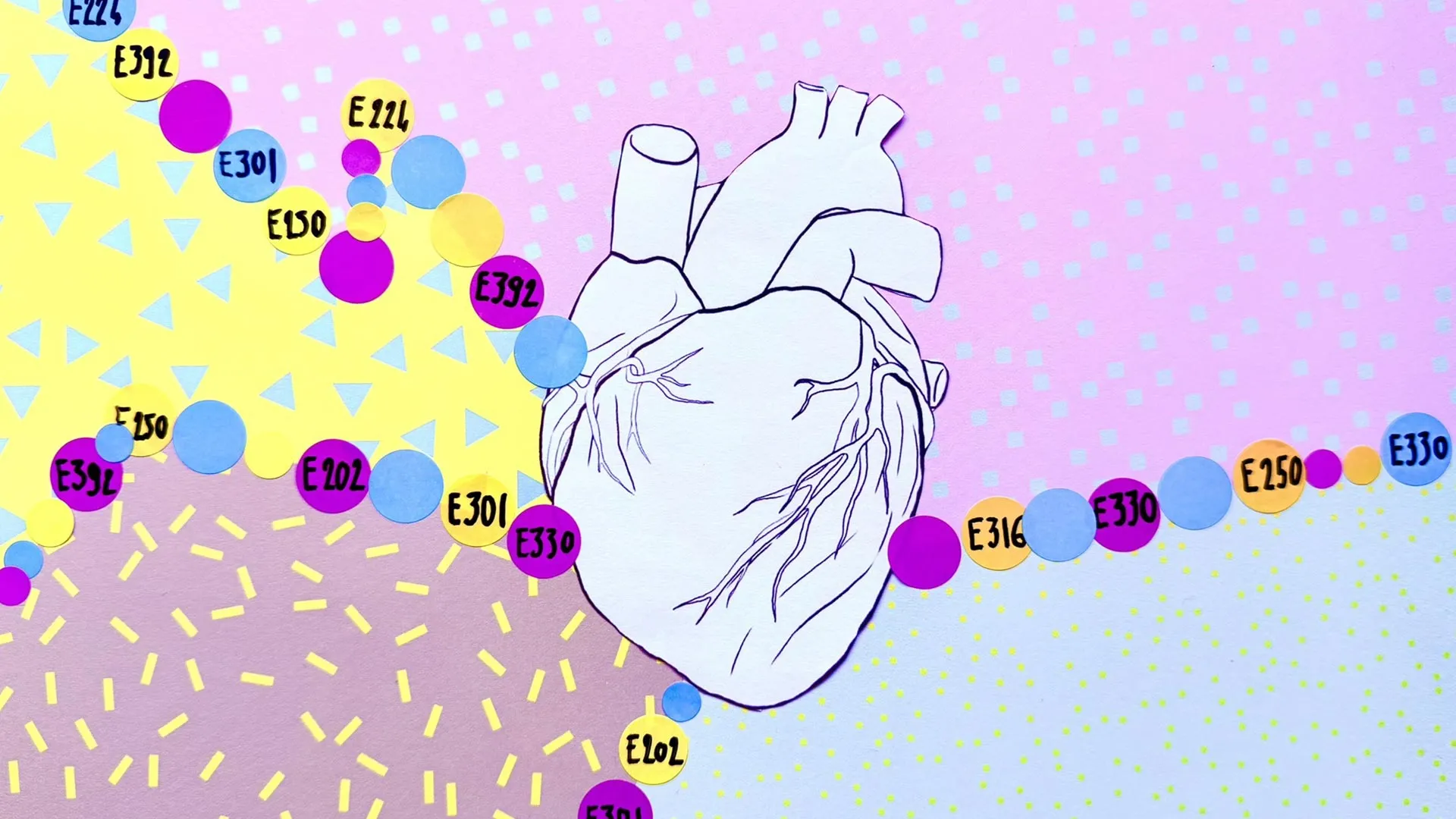
For decades, the global food industry has relied on a suite of chemical additives to perform a modern miracle: keeping our grocery shelves stocked with items that remain fresh, colorful, and microbe-free for months, or even years. However, a landmark study published in the European Heart Journal has cast a long shadow over these convenience-driven staples. The research suggests that the very ingredients designed to extend the lifespan of our food may be systematically shortening the health span of the human heart.
The investigation, led by a team of researchers from the Nutritional Epidemiology Research Team at Université Sorbonne Paris Nord and Université Paris Cité, represents the most comprehensive attempt to date to bridge the gap between laboratory experimental data and real-world human health outcomes. The findings indicate a significant correlation between the consumption of common food preservatives and a heightened risk of hypertension and cardiovascular disease, prompting a call for regulatory bodies worldwide to re-evaluate the safety profiles of these ubiquitous chemicals.
The Genesis of the Research: Bridging the Gap
For years, the scientific community has been aware of the potential toxicity of food additives through in vitro and animal studies. These controlled environments consistently signaled that certain chemical compounds could induce oxidative stress, disrupt metabolic pathways, and interfere with pancreatic function. Yet, human-scale data remained notoriously thin.
"Food preservatives are used in hundreds of thousands of industrially processed foods," explains Anaïs Hasenbühler, a PhD student and co-lead researcher on the study. "While experimental studies have long suggested that some of these additives could be harmful to cardiovascular health, we have lacked robust evidence regarding their impact on human populations. As far as we know, this is the first study of its kind to investigate the links between such a wide range of preservatives and cardiovascular outcomes in such a large, diverse cohort."
The study was nested within the ongoing NutriNet-Santé project, a massive, long-term web-based study that tracks the dietary habits and health outcomes of volunteers across France. By leveraging the data of 112,395 participants, the researchers were able to create a high-resolution map of dietary intake, with participants meticulously logging every item consumed over three-day periods, every six months.
Chronology of the Investigation
The research team tracked the cohort over an average period of seven to eight years. The study design was rigorous:
- Initial Baseline: Researchers performed deep-dive assessments of the specific ingredients found in the foods and beverages reported by the 112,395 volunteers.
- Exposure Assessment: The data revealed a startling ubiquity of these additives. Within the first two years of the study, 99.5% of participants had consumed at least one food preservative.
- Monitoring Phase: Over the subsequent years, the team monitored the medical records and reported health events of the participants, specifically looking for the development of hypertension (high blood pressure) and cardiovascular diseases such as angina, stroke, and heart attacks.
- Statistical Adjustment: To ensure the findings were not skewed by external variables, the researchers controlled for a wide array of factors, including age, sex, socioeconomic status, physical activity levels, smoking, and overall dietary quality (e.g., high intake of salt, sugar, and saturated fats).
Supporting Data: The High Price of Convenience
The results of the analysis were stark, revealing a clear dose-response relationship between preservative consumption and cardiovascular decline.
Non-Antioxidant Preservatives
These additives are primarily used to prevent the proliferation of microbes like bacteria and mold. The study found that individuals who consumed the highest levels of these substances faced a 29% increased risk of developing hypertension compared to those who consumed the least. Furthermore, this group saw a 16% higher risk of overall cardiovascular disease.
Antioxidant Preservatives
Used to prevent oxidation—which can cause food to brown or turn rancid—these additives were not without their own risks. The highest intake of antioxidant preservatives was linked to a 22% greater risk of hypertension.
The "Dirty Eight"
Perhaps most alarmingly, the researchers isolated 17 of the most common preservatives to determine if specific culprits were responsible for the observed trends. Eight specific additives were identified as being significantly associated with an increased risk of high blood pressure. Among these, ascorbic acid (E300) was singled out for its specific correlation with cardiovascular disease, highlighting that even additives often perceived as "natural" or "safe" (like vitamin C derivatives) may carry risks when consumed at industrial concentrations in processed foods.
Implications for Regulatory Bodies
The findings have sent a ripple of concern through the scientific and medical communities. Dr. Mathilde Touvier, research director at INSERM and the study’s lead, argues that the current evidence is now too significant to ignore.
"These results suggest we need a re-evaluation of the risks and benefits of these food additives by the authorities in charge, such as the EFSA in Europe and the FDA in the USA," Dr. Touvier stated. She emphasizes that while the study is observational, the consistency of the findings—coupled with the biological plausibility suggested by previous experimental research—demands a proactive stance.
Regulatory bodies currently operate under a framework of "Acceptable Daily Intakes" (ADIs). However, critics argue that these thresholds are often based on isolated toxicity studies and fail to account for the "cocktail effect"—the cumulative, chronic exposure to a multitude of different additives consumed simultaneously across a modern, ultra-processed diet.
Clinical Guidance and Consumer Protection
In the interim, while waiting for potential regulatory shifts, healthcare professionals are being encouraged to shift their patient guidance. The study supports the growing consensus that dietary quality is not merely about calories, fats, or proteins, but about the degree of processing.
Doctors are increasingly advising patients to:
- Prioritize Whole Foods: Favor fresh fruits, vegetables, legumes, and unprocessed proteins that do not require industrial stabilization.
- Audit Labels: Become vigilant about ingredient lists. If a product contains a long list of chemicals with unfamiliar names, it is likely an ultra-processed item.
- Reduce "Hidden" Additives: Be aware that preservatives are often found in products marketed as healthy, such as low-fat snacks, plant-based alternatives, and pre-packaged meals.
The Future of Food Research
The research team at Université Sorbonne Paris Nord is not stopping here. They are currently shifting their focus toward the biological "black box"—the mechanisms by which these additives actually damage the cardiovascular system.
Their ongoing work is exploring:
- Inflammation: How chemical additives trigger systemic inflammatory responses in the vascular system.
- Oxidative Stress: The precise chemical pathways through which preservatives induce damage at the cellular level.
- Gut Microbiota: A growing field of study, the team is investigating how common food additives alter the composition of the gut microbiome, which is increasingly recognized as a key player in heart health and blood pressure regulation.
- Metabolic Markers: How the consumption of additives alters the way the body processes blood lipids and glucose.
Conclusion: A Call to Action
The modern food landscape is built on the convenience of extended shelf life. However, this study suggests that our cardiovascular systems are paying the price for the stability of our pantry goods. While individual preservatives may appear safe in isolation, the cumulative impact of a diet saturated with these chemical stabilizers is becoming increasingly difficult to defend.
As we move toward a future of greater transparency in food labeling, the onus remains on both the regulators to ensure safety and the consumer to make informed, cautious choices. The message from the European Heart Journal is clear: if we want to protect our hearts, we must start by looking more closely at what we keep on our shelves. The era of "blind trust" in food technology is coming to an end, replaced by a new, evidence-based mandate for cleaner, simpler, and more transparent nutrition.